


Meta Description: Backyard mini farm animals don’t need acres of land. Discover 4 beginner-friendly animals perfect for small spaces, urban yards, and first-time hobby farmers.
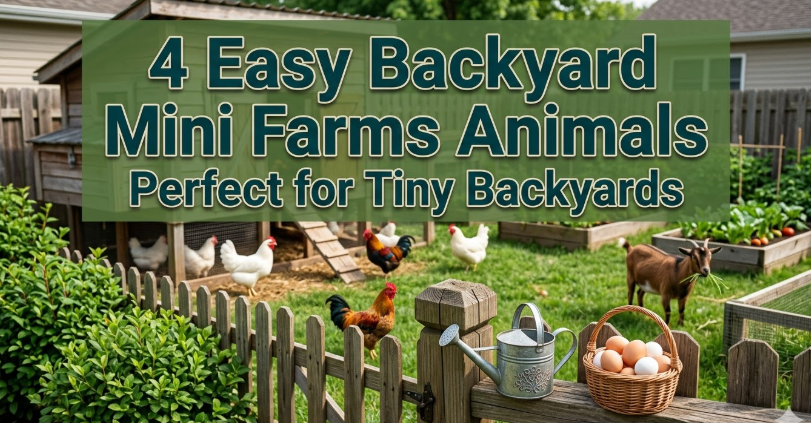
4 Easy Backyard Mini Farm Animals Perfect for Tiny Backyards
Have you ever scanned your little back garden and sighed, “I could grow my own food here if only it were bigger”?
Good news — you can. And you don’t need a sprawling countryside property to do it.
Backyard mini farm animals are fast becoming one of the top trends in urban and suburban living. More families are growing their own food, reducing grocery expenses, and reconnecting with nature — all from a compact outdoor space.
The best part? You don’t even have to do it in a big yard.
Whether you have a modest city plot or a snug suburban backyard, the right animals can flourish in small spaces. This article takes you through 4 of the best mini farm animals that you can keep right in your backyard with very little upfront effort, space, and experience.
Let’s get started.
Why Backyard Mini Farming Is Taking Off Right Now
People are weary of paying high prices for eggs, for honey, and for fresh produce. They are also more curious about where their food comes from.
Backyard mini farming puts families in the control seat.
It’s not only about money, though. Raising animals teaches kids responsibility. It reduces food waste. It’s a connection to natural rhythms that most modern lifestyles have surrendered.
Backyard chicken keeping, for example, has skyrocketed over the past decade, according to the American Pet Products Association. The number of households with some form of livestock at home is in the millions.
And the movement is only growing.
What Makes an Animal “Mini Farm Ready”?
Before we get to the list, it helps to understand what makes a good backyard farm animal versus a bad one.
A truly mini-farm-ready animal should:
- Fit comfortably in a compact enclosure
- Do something productive (for example, produce eggs, honey, manure, or meat)
- Make minimal noise
- Cost relatively little to feed
- Be legal to keep in most suburban or urban zones
Every animal on this list checks most, if not all, of those boxes.
Animal #1 — Backyard Chickens: The Gold Standard of Mini Farming
If you’re thinking about backyard mini farm animals, chickens were probably the first thought that popped into your head.
There’s a reason for that.
Chickens have become the most popular small-space livestock animal on the planet. They are easy to care for, productive from day one, and genuinely fun to have around.
How Much Space Do Chickens Actually Need?
Most people get stuck at this question.
The encouraging news is that laying hens don’t require much. A basic rule of thumb is 4 square feet of coop space per bird, and roughly 10 square feet of outdoor run space.
So for a small flock of 3–4 hens, you’re looking at roughly a 10×5 footprint. That’s smaller than most garden sheds.
In a small backyard, stay at 2–4 hens. That’s enough to get 10–24 eggs per week, depending on breed and season.
Chicken Breeds That Do Well in Small Spaces
Not all chickens behave the same in tight quarters. Some breeds are laid back, quiet, and compact — ideal for suburban living. Others are flighty, loud, and more appropriate for broad open farms.
For backyard mini farming, these breeds stand out:
| Breed | Eggs per week | Temperament | Size |
|---|---|---|---|
| Silkie | 3–4 | Docile, quiet | Small |
| Buff Orpington | 4–5 | Gentle, friendly | Medium |
| Easter Egger | 4–5 | Curious, calm | Medium |
| Bantam | 3–4 | Friendly, compact | Very small |
Bantams are a particularly smart choice for small backyards. They’re basically a compact version of ordinary chickens — half the size, same great personality.
What Chickens Give You
The obvious reward is eggs. Eggs from a backyard chicken are far more delicious than store-bought. The yolks are a deeper yellow, the whites are firmer, and the flavor is richer.
But chickens are also great composters. Chicken manure is one of the most nitrogen-rich types of natural fertilizer on earth. Your garden will thank you.
They also eat kitchen scraps, pests, and weeds — reducing both your waste and your pest control costs at the same time.
One Thing to Watch Out For
Roosters are not appropriate for backyard mini farms. Their crowing begins before dawn and can reach a volume of 90 decibels. Most city and suburban laws prohibit them altogether.
Hens, by contrast, are fairly quiet. They cluck gently and sometimes let out a little celebratory noise after laying an egg. Most neighbors barely notice.
Animal #2 — Dwarf Goats: Small Body, Big Personality
The surprise on this list is dwarf goats.
Most people don’t know you can have goats in a small backyard. But Nigerian Dwarf and Pygmy goats are made for smaller environments.
These animals are playful, smart, and surprisingly productive for their size.
The Space Math for Dwarf Goats
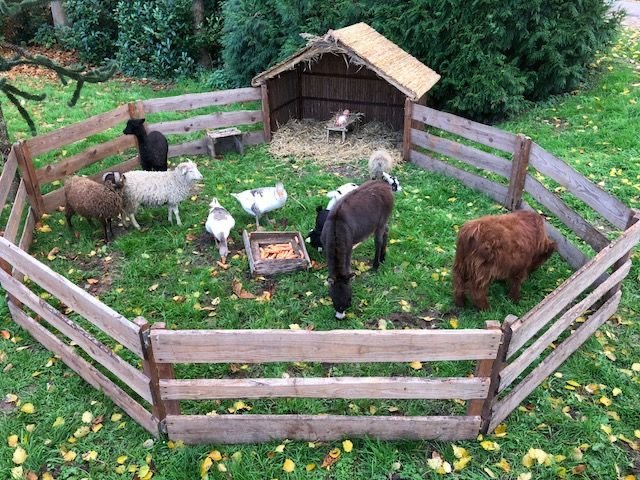
A pair of Nigerian Dwarf goats requires about 135–200 square feet of outdoor space and a minimal shelter (approximately 20 square feet per goat).
That’s about the footprint of a single parking space — for two goats.
They’re social animals and are happiest in pairs. One goat will get stressed and start calling. Two goats will keep each other calm and make good company.
Why Dwarf Goats Are So Worth It
Nigerian Dwarf does (female goats) can yield upwards of 2 quarts of milk per day. That milk is rich in butterfat — ideal for making your own cheese, yogurt, and soap.
You don’t even have to be interested in milking. Dwarf goats are amazing lawn maintenance workers. They’ll gladly munch through brush, weeds, and overgrown shrubs that would otherwise take you several hours of manual labor to remove.
Their manure is also an outstanding garden amendment — “cold” manure that you can put directly on garden beds without burning plants.
Things to Know Before You Get Started
Goats are escape artists. If there is a hole in your fence, they will find it.
Good fencing is non-negotiable. Most dwarf goats will stay contained behind a solid 4-foot fence with no gaps or loose boards. Some owners use cattle panels or welded wire fencing for added security.
Goats also need hoof trimming every 4–6 weeks and occasional deworming. These tasks are not hard but do require some learning and consistency.
Local Laws Matter Here
Dwarf goats are legal in many suburban areas — but not all. Always check your local zoning laws before you buy.
Some places allow hens but not goats. Others have no restrictions at all. A quick call to your city or county planning office will give you the information you need.
Animal #3 — Honeybees: The Tiniest Powerhouse on This List
Here’s one that amazes many people: bees occupy nearly no physical space.
Each beehive footprint is approximately 2 feet by 3 feet. You can set it up in a corner of your yard, on a rooftop, or along a fence line. Bees fly out, forage up to 3 miles away, and come back.
They don’t need you to feed them land. They need you to provide them with a home.
What You Get From a Single Hive
A healthy backyard hive can yield 20–60 pounds of honey each year. That’s plenty to feed your family, share as gifts, or even sell locally.
But the true magic of backyard beekeeping goes beyond honey.
Bees pollinate your garden and those of your neighbors. Fruit trees, vegetable plants, and flowering herbs produce significantly more when bees are nearby. Some backyard gardeners report yield increases of 30–50% after adding a hive.
Beeswax is another bonus product. It’s used in homemade candles, lip balms, wood polish, and skin care products.
Is Backyard Beekeeping Dangerous?
That’s the first question people ask.
Honestly, it’s safer than most people think.
A calm beekeeper in proper protective gear gets stung rarely. Bees are defensive, not aggressive. They sting when they sense their hive is under threat — not because they’re out for trouble.
The vast majority of skilled beekeepers get stung just a handful of times per season.
A larger concern is bee allergies. If anyone in your family has a serious bee allergy (anaphylaxis), beekeeping carries legitimate risk and needs to be considered carefully. The American Beekeeping Federation offers excellent beginner resources and safety guidance for new backyard beekeepers.
Getting Started With Backyard Bees
Most beginners start with 1–2 hives and a full starter kit. These kits typically contain a hive box, frames, protective gear, and basic tools.
Most beekeeping associations provide beginner classes for less than $100. States also generally require beekeepers to register their hives — a quick, low-cost process.
Check local ordinances first. Most cities have explicit rules that allow backyard beekeeping. Some limit hive placement (distance from property lines, neighbors, etc.) but don’t prohibit it completely.
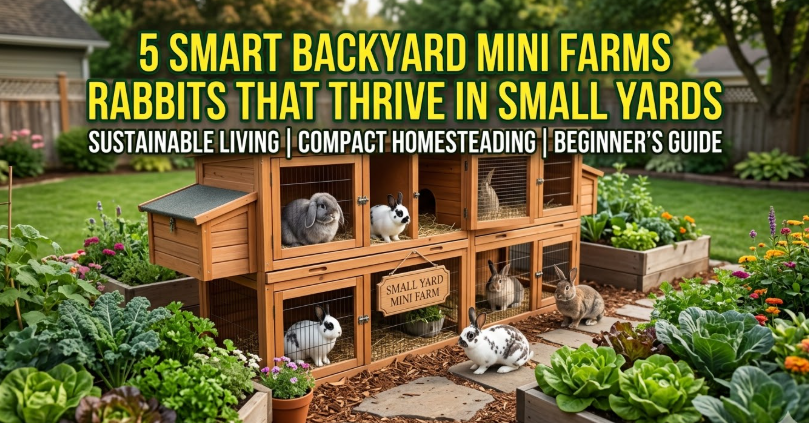
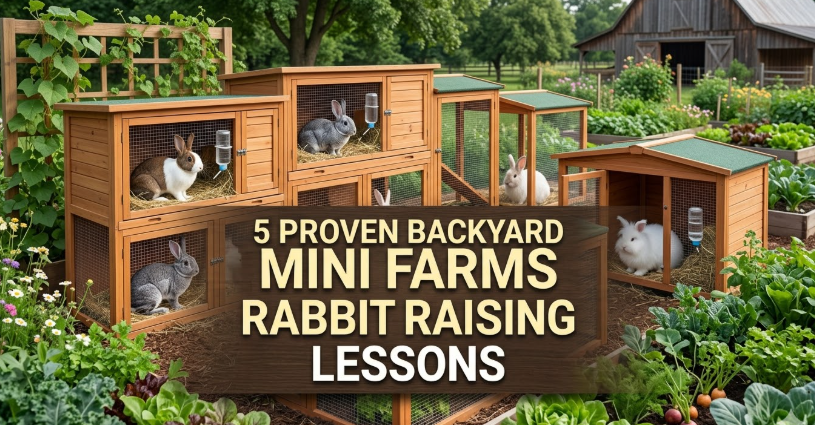
Animal #4 — Meat Rabbits: The Most Underrated Mini Farm Animal
Rabbits are the most underrated backyard mini farm animal on this list. Period.
They’re quiet. They’re compact. They breed quickly. They produce lean, high-quality meat. And their manure is perhaps the best garden fertilizer you can get from any backyard animal.
If you’re serious about producing food in a small space, rabbits deserve serious consideration.
How Small Is Small Enough?
One rabbit hutch needs approximately 4 square feet of floor space. A colony of 4–6 rabbits can live together in a space no bigger than an average garden bed.
Unlike chickens, rabbits produce hardly any sound. They don’t crow, bark, or honk. Neighbors will likely never know they’re there.
That makes them perfect for apartment-adjacent backyard spaces, townhomes, or neighborhoods with strict noise rules.
The Productivity Numbers Are Tough to Beat
A doe (female rabbit) can produce 4–6 litters per year with 6–10 kits per litter. That means one breeding pair can theoretically produce 50+ pounds of meat per year in a space much smaller than your kitchen table.
Rabbit meat is high in protein, low in fat, and lower in cholesterol than chicken or beef. It is widely consumed in Europe and gaining popularity in the United States.
Here’s how rabbit nutrition compares with common meats:
| Meat | Protein (per 100g) | Fat (per 100g) | Calories |
|---|---|---|---|
| Rabbit | 29g | 8g | 197 |
| Chicken | 27g | 14g | 239 |
| Beef | 26g | 20g | 291 |
| Pork | 27g | 21g | 297 |
Rabbit Manure: Garden Gold
One rabbit can produce up to 200 pellets of manure per day. This manure is special because it’s a “cold” fertilizer — meaning it won’t burn plants, even when used fresh.
You can apply it straight to garden beds, compost piles, or raised garden boxes without any processing. It’s full of nitrogen, phosphorus, and potassium — everything plants need to grow.
Many backyard gardeners say rabbit manure changed their vegetable yields more than any store-bought product.
What You Need to Get Started
Getting started with meat rabbits is easy and affordable:
- Two rabbits (one buck, one doe): $25–$75
- A basic hutch or wire cage: $50–$150
- Monthly feed cost for a small colony: $15–$30
- Basic supplies (water bottles, feeders, nest box): $30–$60
The total startup cost for a productive breeding pair is often less than $300 — the lowest of any animal on this list.
How to Choose the Right Animal for Your Backyard
Not every animal is the right fit for every yard.
Here’s one simple way to think through your decision:
If you need daily food production with the least amount of learning, start with chickens. They’re forgiving, productive, and fun.
If you have at least 200 square feet of outdoor space and want dairy products, consider dwarf goats. They require a little more work but are wonderfully rewarding.
If your yard is small and your garden is large, bees give you the most output per square foot of any option here.
If quiet, efficient meat production is your goal and you’re on a budget, rabbits are the clear winner.
You can also combine animals. Chickens and rabbits, for example, are frequently housed together. Bees get along well with nearly every other backyard animal.
Preparing Your Backyard: 5 Steps to Take Before You Bring Animals Home
Excitement is great. But a little preparation goes a long way.
Take care of these five basics before bringing home any backyard mini farm animals:
1. Check your local laws. Some cities permit chickens but not goats. Some allow bees with distance restrictions. A 10-minute call to your city or county zoning office can save you a lot of headaches.
2. Talk to your neighbors. This is not a legal requirement, but it is good practice. A heads-up prevents complaints later. Many neighbors are understanding — especially if you share free eggs or honey.
3. Secure your perimeter. All animals require a predator-proof enclosure. Hawks, foxes, raccoons, and dogs are real threats. Invest in proper fencing and a covered run or hutch.
4. Plan your feed supply. Before you bring animals home, know where their feed will come from. Look at your local farm supply stores or online bulk suppliers. Factor feed cost into your monthly budget.
5. Set up water before day one. The single most important thing you can provide any animal is fresh, clean water. Prepare your waterers ahead of time so they can drink as soon as they arrive.
The Real Costs of Backyard Mini Farm Animals (No Sugarcoating)
Let’s not kid ourselves about the numbers.
Backyard farming is fulfilling, but it’s not free. There are real startup costs, recurring expenses, and occasional vet bills to consider.
| Animal | Startup cost | Monthly feed | Annual vet | Annual return (estimated) |
|---|---|---|---|---|
| 3 Chickens | $200–$400 | $15–$25 | $50–$100 | $300–$500 (eggs) |
| 2 Dwarf goats | $400–$900 | $40–$60 | $100–$200 | $200–$600 (milk/products) |
| 1 Bee hive | $300–$600 | $0–$20 | Minimal | $100–$400 (honey/wax) |
| 4 Rabbits | $100–$300 | $20–$35 | $30–$80 | $200–$400 (meat/manure) |
The majority of backyard farmers find they break even after 12–18 months. After that, the continuing returns — in food, fertilizer, and reduced grocery bills — make the investment well worth it.
For more detailed guides on getting started, visit Backyard Mini Farms — a dedicated resource for small-space hobby farmers at every level.
Frequently Asked Questions
Q: What is the best backyard mini farm animal for a beginner?
Chickens are generally viewed as the easiest entry point. They’re forgiving, low-maintenance, and their needs are simple: food, water, shelter, and protection from predators. For those who want extreme quiet and lower startup costs, rabbits come in a close second.
Q: Can I have backyard mini farm animals in a city?
Many cities permit at least one kind of backyard animal. Hens and bees are allowed in thousands of U.S. cities. Rabbits are almost universally allowed. Goats have more restrictions. Always check local zoning ordinances before purchasing any animals.
Q: How much time does backyard mini farming really require?
For most backyard setups, daily care requires only 10–20 minutes. Most days it’s no more than feeding, watering, and a quick health check. Deeper cleaning and maintenance happens weekly or monthly. Beekeeping is the most hands-off option — full hive inspections happen every 1–2 weeks during active season.
Q: Do backyard farm animals smell bad?
When well managed, the smell is negligible. The key is regular cleaning. Chicken coops cleaned weekly, rabbit hutches cleaned twice a week, and goat pens cleaned regularly all produce very little offensive odor. Bees produce no noticeable smell at all.
Q: What is the best backyard animal for a space under 500 square feet?
For very small yards, bees, rabbits, or 2–3 small bantam chickens are excellent choices. Bees occupy the smallest physical space. Rabbits are the quietest. Bantam chickens give you eggs with the smallest footprint. Steer clear of goats in spaces less than 200 square feet — they need more room to thrive.
Q: Is backyard mini farming legal everywhere?
No. The laws differ widely from city to city, and even between county and neighborhood HOAs. Always research your specific location before you start. What one zip code allows, the next one may ban.
Q: What should I do with animals I can no longer keep?
Many local farming groups, animal rescues, and 4-H programs will take backyard animals if you can no longer care for them. Online farming communities, such as Craigslist farm sections and local Facebook groups, are also great places to responsibly rehome animals.
The Bottom Line: Your Mini Farm Starts With One Animal
You don’t need a farm to live like a farmer.
Backyard mini farm animals provide fresh food, natural rhythms, and a genuine sense of self-sufficiency — even in the smallest outdoor spaces. Whether you start with a few hens, a hive of honeybees, a couple of dwarf goats, or a colony of quiet rabbits, the rewards are real and long-lasting.
Select an animal that suits your available space, your goals, and your lifestyle. Start small. Learn as you go. Then expand when you’re ready.
Your dream backyard farm doesn’t require many acres.
It just needs a beginning.