
When I first started keeping a few chickens and rabbits in my backyard, I was convinced it was going to save us a fortune. Fresh eggs every morning, meat in the freezer — sounds like a dream, right? But after a few months of overbuying feed, losing animals to basic rookie mistakes, and spending way too much on stuff I didn’t even need, I realized the savings I imagined weren’t showing up in my wallet.
The truth is, backyard livestock can absolutely cut your food costs — but only if you run it smart. I had to learn most of this through trial and error (mostly error). So here’s what actually works, based on real experience.
1. Start Small — Seriously, Don’t Go Big Right Away
One of the biggest and most expensive mistakes beginners make is starting with too many animals at once. I’m guilty of this. I bought 12 chicks, 6 rabbits, and a pair of ducks all in the same month. The feed bill alone was brutal — and I hadn’t even figured out the systems yet.
Starting small — like 4 to 6 chickens — lets you figure out how much feed they actually consume, what your waste looks like, and what setup works best for your space and schedule. Once you’ve got a rhythm, scaling up is easy and way less expensive.
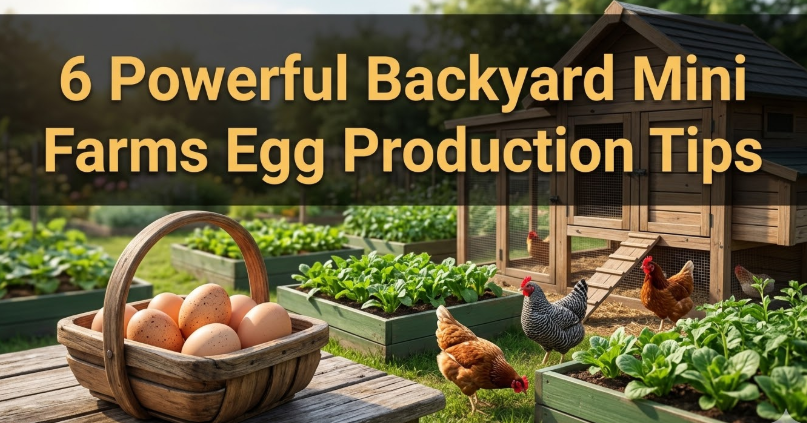
Practical tip: Start with 4–6 laying hens before adding any other species. Eggs are the fastest return on investment in backyard livestock.
2. Buy Feed in Bulk and Store It Right
Feed is your biggest recurring cost. Period. And buying it in small bags from the pet store or garden center is a guaranteed way to overspend.
I switched to buying 50 lb bags from a local co-op and later moved to a 250 lb bulk order that I pick up every 6 to 8 weeks. The savings add up fast — sometimes 30 to 40% cheaper per pound compared to retail bags.
But here’s what nobody tells you: storage matters just as much as bulk buying. I lost an entire 100 lb bag of layer pellets to moisture and a mouse infestation in my first year. Now I use galvanized metal trash cans with tight-fitting lids. They’re rodent-proof, keep moisture out, and last forever.
| Feed Buying Method | Avg Cost per lb | Notes |
|---|---|---|
| Small retail bags (5–10 lb) | $0.90–$1.20 | Convenient, expensive |
| 50 lb bags from feed store | $0.55–$0.75 | Good middle ground |
| Bulk order (100–250 lb) | $0.38–$0.52 | Best savings, needs storage |
3. Let Them Forage — It’s Free Feed
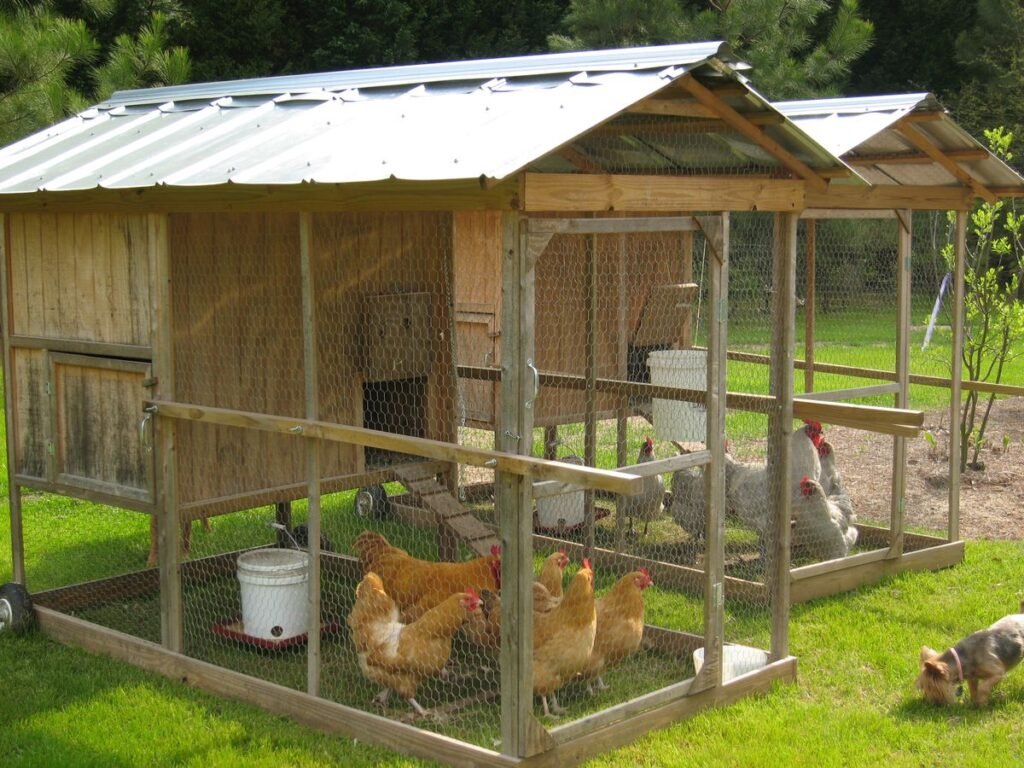
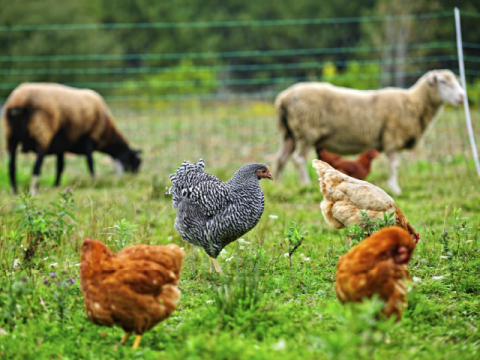
This one changed everything for me. Chickens are natural foragers. If you give them even a small grassy area to roam for a few hours each day, they’ll supplement their diet with bugs, worms, seeds, and greens. My feed consumption dropped by nearly 20% in the warmer months just from letting my flock scratch around the yard for 2–3 hours every afternoon.
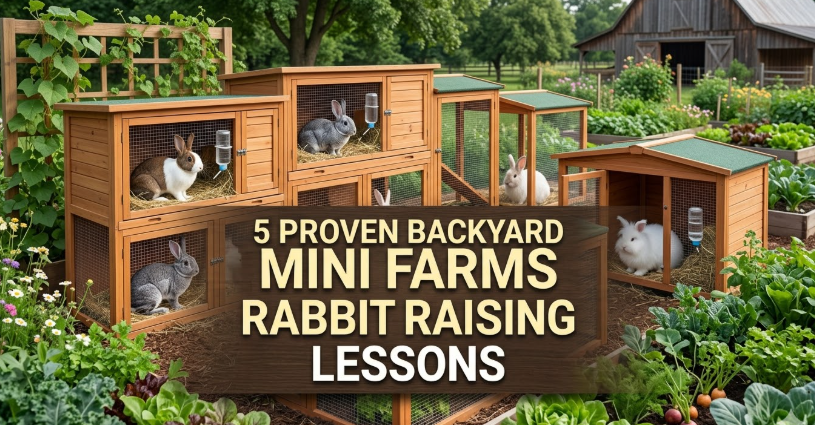
For rabbits, I started cutting fresh grass clippings (from untreated lawn areas) and tossing in dandelions, plantain leaves, and clover. All free. Rabbits love it and it cuts down on hay usage significantly.
If you want to take it further, check out these smart backyard mini farms feeding tips that save money — there are some genuinely clever ideas there for stretching your feed budget.
4. Grow Some of Your Own Animal Feed
You don’t need to grow all of it — even replacing 15–20% of purchased feed with homegrown fodder makes a real dent in monthly costs.
Some of the easiest things to grow for your animals:
- Sunflowers – let them dry on the stalk, then toss the whole head to chickens. They go crazy for it.
- Kale and collard greens – fast-growing, high-nutrition, and chickens eat every part.
- Comfrey – deep-rooted perennial that regrows after every cutting. Rabbits and chickens both love it.
- Fodder systems – sprout barley, wheat, or black oil sunflower seeds in trays. Takes 7 days and produces about 6x the weight in living feed. I use a simple set of dollar store trays on a wire rack in my garage.
I started combining this with a bigger garden setup after reading about 7 easy backyard mini farms vegetables anyone can grow — the overlap between growing food for yourself and feeding your animals is way bigger than most people realize.
5. Compost Everything — Manure Is Liquid Gold
Here’s where backyard livestock can actually make you money (or at least save it on garden inputs). Animal manure, especially from chickens and rabbits, is some of the best fertilizer on the planet.
Rabbit manure is particularly good — it’s a “cold” manure, meaning you can apply it directly to garden beds without composting first. It won’t burn plants.
Chicken manure is “hot” and needs to be composted first (about 3–6 months), but once broken down, it’s incredibly nutrient-rich.
I haven’t bought a bag of fertilizer in over two years. The compost from my backyard animals feeds my vegetable garden, which in turn feeds both us and the animals. That loop is where the real savings are. If you’re building that kind of system, 10 secret backyard mini farms soil hacks for bigger harvests has some great strategies for using animal inputs to supercharge your growing space.
6. Build or Repurpose Your Housing — Don’t Buy New
Pre-built chicken coops from garden stores look cute, but they’re outrageously overpriced and often poorly designed. I’ve seen flimsy $300 coops that wouldn’t survive a determined raccoon, let alone a year of weather.
When I built my first proper coop, I used:
- Reclaimed wood from a torn-down fence (free)
- Hardware cloth from a local hardware store (not chicken wire — hardware cloth is far more predator-proof)
- An old dog kennel panel for the run
Total cost: around $60. And it’s been standing strong for three years.
Check local Facebook Marketplace, Craigslist, and Freecycle for old pallets, lumber, metal roofing scraps, and even old dog houses that can be converted into rabbit hutches. You’d be surprised what people give away.
7. Master Basic Health Care Yourself
Vet bills can wipe out months of savings in one visit. I’m not saying avoid the vet entirely — but learning to handle routine health care yourself is one of the smartest things you can do.
Things I learned to do on my own:
- Check for mites and lice (look under the wings and around the vent area)
- Treat minor wounds with Vetericyn or plain saline
- Give basic wormer treatments on a seasonal schedule
- Identify early signs of respiratory infection vs. normal behavior
- Apply diatomaceous earth in bedding areas to control external parasites
For specific breeds that tend to have fewer health issues (especially important for beginners), I found 7 backyard mini farms chicken breeds perfect for beginners really useful when I was deciding what to keep long-term. Hardy breeds = fewer vet trips.
Also keep a basic livestock first aid kit stocked at all times. Mine includes:
- Vetericyn wound spray
- Electrolyte powder
- Epsom salt
- Gloves and syringes
- A good thermometer
8. Track Your Numbers — Most People Don’t
I’ll admit I didn’t track anything for the first eight months. I just bought feed when it ran out and hoped everything was going fine. It wasn’t — I was spending way more than I needed to and had no idea.
Once I started keeping a simple spreadsheet (nothing fancy — just Google Sheets), I could see exactly:
- Monthly feed cost per animal
- Egg production per hen per week
- Cost per dozen eggs (and how it compared to store prices)
- When production dropped (which told me something was off)
Here’s a simplified example of what my tracking looked like at month 6:
| Metric | Chickens (6 hens) | Rabbits (2 does) |
|---|---|---|
| Monthly feed cost | $18 | $9 |
| Monthly production | ~22 dozen eggs | ~20 lbs meat |
| Cost per unit | ~$0.82/dozen | ~$0.45/lb |
| Store equivalent | $3.50–$5.00/dozen | $6–$8/lb |
When you see it laid out like that, the value is obvious. But you can only see it if you’re tracking.
9. Learn From Your Mistakes Before They Get Expensive
Some lessons are cheap. Some aren’t. Losing a chicken to a predator because you didn’t secure the coop latch is a $25 mistake. Losing your whole flock to a disease you could have prevented is devastating — emotionally and financially.
The mistakes I’ve made and what I learned:
- Not securing the coop properly → lost 3 chickens to a raccoon. Now I use locking carabiners on every door.
- Overcrowding → led to feather pecking and stress-related drops in egg production. Space matters.
- Inconsistent water access → causes more problems than most people realize. Dehydration tanks production fast.
- Skipping quarantine for new animals → nearly lost my whole small flock to a respiratory illness from a new bird.
I wrote a lot of this off as “part of the learning curve,” but honestly, a lot of it was avoidable. If you want to skip some painful lessons, this article on 8 backyard mini farms livestock mistakes I learned the hard way covers exactly the kind of stuff that blindsides beginners.
The Real Talk on Backyard Livestock Savings
Backyard livestock isn’t a get-rich or save-rich-quick scheme. But done right, it genuinely does cut your food costs — and more than that, it changes how you think about where food comes from and how much it’s worth.
My egg cost per dozen dropped from nothing (I wasn’t producing at all) to about $0.80 per dozen in my second year. My rabbit meat cost works out to roughly half of what I’d pay at a farmers market. Not every season is perfect — there are droughts that make foraging harder, cold snaps that tank egg production, and the occasional mystery illness. But the trend line over time is clearly positive.
The tips above aren’t complicated. They’re just consistent. Keep the feed costs down, let the animals do what they naturally do, build things smart, and pay attention to your numbers.
Also worth reading: If you’re still figuring out the overall setup for your backyard space, 9 proven backyard mini farms planning tips for tiny yards is a great place to start — especially if you’re working with limited square footage and trying to figure out what’s actually feasible before you buy your first animal.