



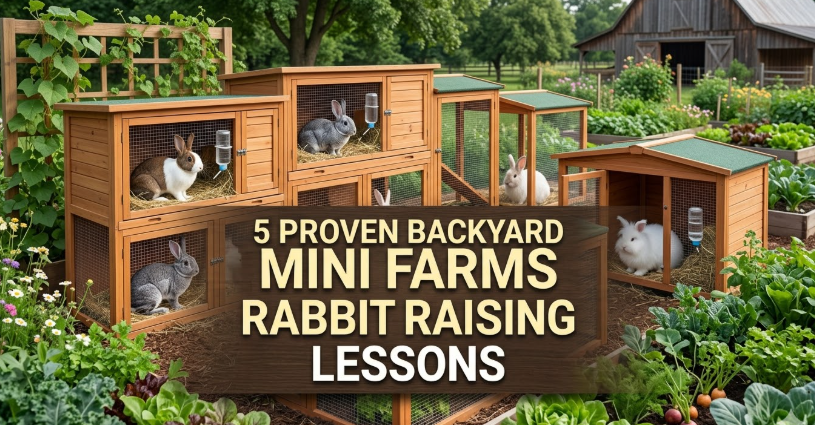
5 Proven Backyard Mini Farms Rabbit Raising Lessons
Back when I decided to turn a corner of my scruffy suburban yard into something productive, rabbits weren’t even on my radar. Chickens seemed louder and messier, goats would eat the fence, and veggies alone wouldn’t fill the freezer. But after one too many trips to the store watching meat prices climb, I stumbled across a neighbor’s quiet little setup – three hutches tucked behind his shed, no smell, no noise, just steady protein coming off the property. That hooked me. Over the next five years I dove in headfirst, made every rookie error you can imagine, lost litters to stupid mistakes, watched bucks fight through bad wire, and finally figured out what actually works when space is tight, time is short, and you’re feeding a family on a mini-farm budget. These aren’t fancy theories from some book. They’re the five lessons that stuck after the tears and the triumphs, the ones that let me pull two hundred pounds of clean white meat a year from less than a hundred square feet while the garden laughs at how much free fertilizer I get. If you’re thinking about starting, or you’ve started and things feel off, stick with me. I’ll walk you through exactly what I learned the hard way so you can skip the heartbreak.
Lesson 1 Picking Breeds That Actually Deliver Without Drama
I started with what looked cute in pictures – a pair of Flemish Giants because who doesn’t want massive rabbits? Big mistake. Those gentle giants take forever to hit butcher weight, eat like teenagers at an all-you-can-eat buffet, and their bones are so thick the meat yield feels disappointing after all that feed. My first doe kindled eight kits but they grew slow, the buck was too heavy for easy handling, and by month four I was already questioning my life choices. Switched to New Zealand Whites and Californians after that and never looked back. Those two breeds became my backbone because they were literally bred for exactly this – backyard meat production on a schedule.
New Zealands hit four to five pounds dressed in ten to twelve weeks if you feed them right. Californians run neck and neck but throw in those dark points that make the pelts sell easier if you tan them. Both have calm temperaments once you get past the initial skittishness, which matters when your kids want to help without getting nipped. I keep a trio now – one solid buck and two does from different lines to avoid inbreeding depression later. The does kindle six to ten kits reliably, and with a thirty-one day gestation you can rebreed her six weeks after kindling once the babies are weaned. That rhythm gives me four to five litters per doe a year without burning her out. One lesson that saved me money: buy from someone who keeps records, not the cheapest Craigslist ad. My second buck came from a guy who weighed every litter – that animal throws consistent fast growers and I’ve passed the habit on. Track birth dates, weights at weaning, and which doe mothers best. After three seasons you’ll spot your superstars and cull the slow ones humanely for the table.
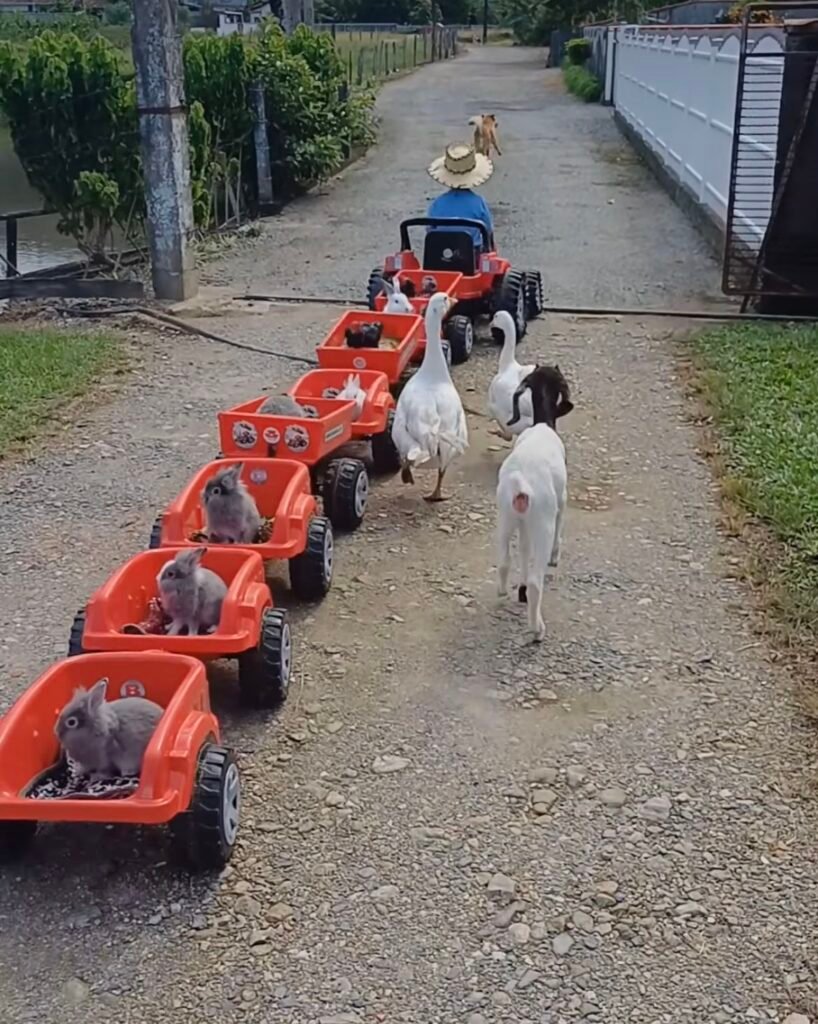
Crosses can work wonders too. I tried a New Zealand buck over a Silver Fox doe once for hybrid vigor and the kits hit market weight a full week earlier with thicker fur. But pure lines are easier for beginners because you know exactly what you’re getting. Temperament matters more than most folks admit. A flighty rabbit stresses easy, eats less, and kindles smaller litters. I spend the first month just sitting near the hutches talking low so they associate me with pellets and safety. Sounds silly but it cuts handling injuries in half. And forget show-quality perfection. You don’t need ARBA papers for meat. A good commercial-type body – broad shoulders, meaty hindquarters, short ears – beats fancy markings every time. Start small, learn your animals, then expand. That’s how I went from two flops to a system that pays for itself in feed savings and extra sales to neighbors who want fryer packs.
One more thing I wish someone told me early: climate counts. In hot summers Californians handle the heat better than heavy-furred breeds. I rig shade cloth and frozen water bottles in the hutches during July and nobody wilts. In winter I drop in extra straw and the New Zealands stay fat and happy. Breed choice isn’t one-size-fits-all but once you match the rabbit to your yard and goals, everything downstream gets easier. My mini-farm now feels tuned instead of chaotic, and that single switch from giants to commercials probably saved me a thousand dollars and twenty headaches.
Lesson 2 Building Hutches That Survive Predators Weather and Your Own Laziness
Wooden hutches look charming in Pinterest photos but rabbits chew them to splinters in weeks and urine soaks the floor until it rots. I learned that the expensive way after my first setup collapsed during a storm and a raccoon helped itself to two kits. Now everything sits on sixteen-inch legs with half-inch hardware cloth bottoms and sides. The wire lets poop drop straight into trays I empty weekly – no smell, no flies, and the garden gets fresh fertilizer daily. Each adult needs at least twenty-four by thirty-six inches of floor space so they can stretch and stand without banging heads. I went with all-wire cages after the wood disaster because cleaning takes five minutes instead of an hour.
Location matters more than folks think. Mine sit under the eaves of the garage so rain doesn’t pool and morning sun warms them without baking in summer. I faced the fronts south for light but added a hinged roof overhang that doubles as a work shelf when I process feed. For predators I doubled up on everything – double latches on doors because raccoons are smarter than some people, buried apron wire two feet out from the legs to stop diggers, and a tight tarp roof with no gaps for hawks or owls. One winter a weasel tried squeezing through a seam and failed because I caulked every joint. That peace of mind lets me sleep without checking every hour.
Nest boxes are non-negotiable. I make mine from scrap lumber, eighteen inches square, filled with clean straw the doe can arrange herself. Put it in two weeks before due date and watch her pull fur – that’s your pregnancy confirmation better than any palpation when you’re new. Ventilation without drafts keeps respiratory issues away; I leave the back solid but the front and sides open enough for breeze. In freezing weather I staple plastic sheeting inside but leave a gap at the top so ammonia doesn’t build. Water bottles freeze? I slip them into old socks stuffed with straw or swap frozen ones from the house twice a day.
Cost-wise I started cheap – salvaged pallets for frames, bought only the wire and J-clips. Total per cage ran under forty bucks once I got the hang of bending edges safely. Now I keep spares because kits grow fast and you suddenly need grow-out pens. One trick that changed my life: hang a small shelf inside each cage so does can jump up and feel secure – reduces stress chewing and fighting. And label everything with permanent marker on the cage cards – animal number, birth date, last breeding. When you have twelve rabbits running it feels professional instead of overwhelming. My hutches have lasted four seasons through hail, wind, and one toddler who thought climbing was fun. They aren’t pretty but they work, and in a mini-farm that’s the only beauty contest that counts.
Lesson 3 Feeding That Keeps Them Thriving Without Emptying Your Wallet
Pellets seemed easy at first – dump and forget. Then my first litter bloated after I free-fed the high-protein grower mix and I spent a panicked night syringing water and praying. Lesson learned: pellets are a supplement, not the main course. Unlimited grass hay is the real hero. I buy second-cut timothy by the bale from a local farmer and stuff racks full. It wears their teeth, moves their gut, and prevents the hairballs that kill fast. Kits get alfalfa hay until eight weeks because they need the calories for growth, then switch gradual to timothy so their systems don’t revolt.
Greens come next but slow. I learned the hard way that sudden handfuls of garden weeds cause diarrhea that can wipe a litter. Start with one new item every three days – dandelion, plantain, raspberry leaves, carrot tops from my own rows. Never iceberg lettuce or anything high water with low fiber. In summer I cut fresh daily from the yard edges; in winter I sprout wheat grass trays under lights. That variety keeps boredom away and vitamins high. Pellets I limit to a quarter cup per five-pound adult once a day, measured, because overfeeding turns them lazy and fat. Bucks get even less to stay fertile. During lactation does get an extra scoop plus a sprinkle of black oil sunflower seeds for milk boost – shiny coats and heavy kits prove it works.
Water is the silent killer. I check bottles twice daily and scrub them weekly with vinegar so algae never starts. In summer I add ice cubes on brutal days. One family I know lost their whole starter herd to a frozen bottle they forgot to swap – heartbreaking and completely avoidable. Manure from this system is gold. Rabbit pellets are “cold” so I scatter them straight around tomatoes and squash without burning. The garden exploded last year – bigger peppers, zero fertilizer bill. I even sell bags to neighbors who swear by it for roses. Compost the urine-soaked bedding for hotter crops and you close the loop perfect. Feed costs me maybe thirty dollars a month for the whole crew because half comes from yard forage and kitchen scraps they love. That efficiency turns rabbits from expense into profit center fast. My kids now forage safe plants after school and feel part of the farm – best education I never planned.
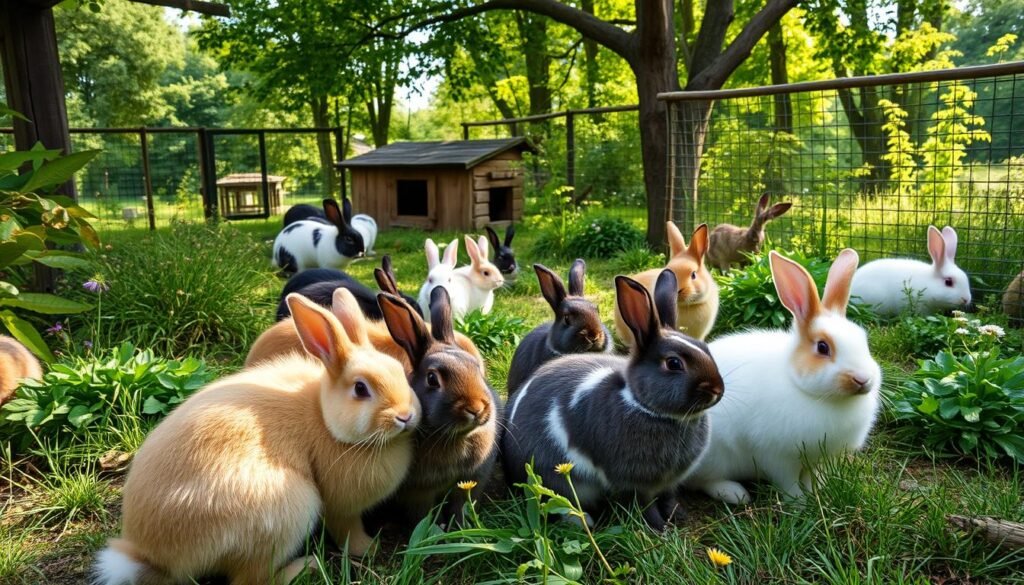
Lesson 4 Breeding Cycles That Stay Manageable and Kind to the Does
I overbred my first doe at four months because online forums said “rabbits are fast.” She kindled fine but struggled nursing and looked hollow afterward. Never again. Does need five to six months and four pounds minimum before first breeding so their bones and bodies finish growing. I palpate at day twelve – gentle belly feel tells pregnant from empty without stress. Bring the doe to the buck’s cage every time; he mounts quick, grunts, falls sideways – done in seconds. I separate immediately after to avoid fights.
Gestation runs thirty-one days give or take one. I mark the calendar religiously and add extra hay and a nest box on day twenty-eight. Kindling usually happens at night; I check quietly at dawn. If a kit is cold I warm it in my shirt and try reuniting – most does accept them back. Litters average eight here. I cull runts humanely on day two if the doe looks overwhelmed, leaving six to eight strong ones. Wean at eight weeks sharp so mom recovers and next litter doesn’t suffer milk shortage. Separate sexes immediately or you’ll have surprise grandkits in the grow-out pen – learned that once and never repeated.
Rest the does every fourth litter or during deep winter. Force breeding tired animals drops kit quality and invites mastitis. I keep a rotation chart on the shed wall – Doe A breeds week one, Doe B week three – so I always have staggered ages and steady meat supply without chaos. Record keeping sounds boring but saves you. My notebook tracks sire, dam, birth weight average, weaning count. After two years patterns emerge: certain bloodlines throw bigger fryers, others better mothers. Sell extras at eight weeks as pets or feeders and the income covers new wire. One neighbor buys my weanlings for his 4-H kids and pays premium because they arrive healthy and handled. The cycle feels natural now, not frantic. Does stay plump and friendly, kits hit the table at perfect size, and my freezer stays full without ever feeling like a factory.
Lesson 5 Turning Harvest Into Meals Pelts and Garden Wins Without Waste
Processing day used to scare me. Now it’s routine and respectful. I dispatch quick with a firm strike learned from experienced folks – no suffering, fast. Skinning starts at the hocks, peel like a sock, gut carefully saving heart and liver for the dogs. Rinse, chill in ice water an hour so meat firms. Break down: pop hind legs at the joint, front shoulders, then the saddle into two loins. Six portions per fryer that cook like chicken but richer. I brine overnight in saltwater with herbs if I want extra tender, or straight into recipes.
Favorite meals? Rabbit stew with root veggies from the garden – thyme, garlic, splash of wine, slow cooker all day. Fried legs coated in seasoned flour taste like elevated chicken. My family devours curry rabbit with coconut milk over rice. Even the bones simmer into stock richer than any store broth. Pelts I stretch on boards, salt, tan with store kits or brain solution if feeling pioneer. Turned several into mittens last winter; neighbors bought the rest for crafts. Nothing wasted. Manure already feeding the beds where those veggies grew. Even the offal composts hot and fast.
I process in batches of four so freezer fills neat with labeled packs – “hind x2, 2025-09”. Local laws here allow backyard harvest for personal use; I double-check ordinances every spring because rules shift. For predators during grow-out I move cages inside the garage temporarily if hawks circle heavy. The whole system feels complete – animal lives short but good, family fed, soil improved, zero guilt. Last season I calculated we saved over eight hundred dollars on grocery meat while the garden produced double thanks to the pellets. That math keeps me motivated on muddy mornings.
Wrapping these lessons together changed everything for my little backyard plot. Rabbits aren’t just livestock; they became the quiet engine making self-sufficiency feel achievable and fun instead of overwhelming. I still learn new tricks – a better nest box design here, a free forage plant there – but the foundation holds solid after testing through real seasons and real mistakes. If you’re staring at an empty corner wondering where to begin, grab a trio of good commercials, build simple wire homes, feed hay first, and let the rhythm teach you the rest. Your family will thank you at dinner, your garden will explode, and you’ll wonder why you waited so long. Five lessons, thousands of meals, one very satisfied mini-farmer. Now go make yours count.