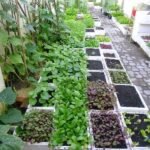
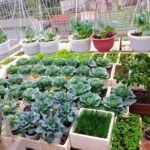



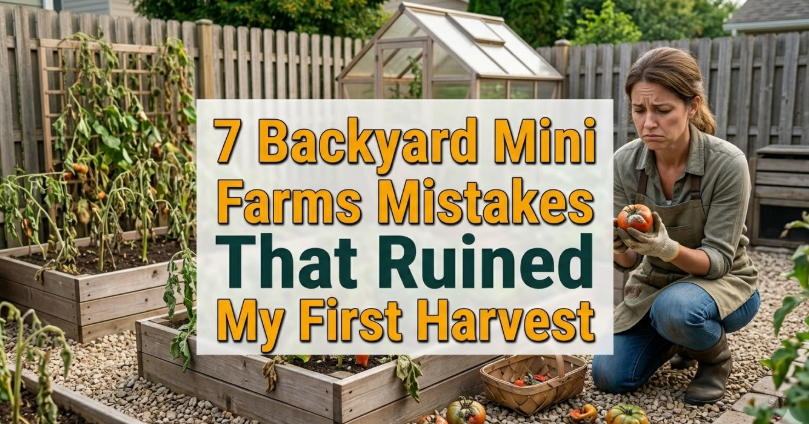
I still remember standing in my tiny backyard in Lahore that sweltering June evening, sweat dripping down my back, staring at what was left of my so-called mini farm. A few pathetic tomato vines that looked like they’d been through a war, okra plants with leaves chewed to lace, spinach that never got taller than my thumb, and eggplants that flowered but never set fruit. After four months of waking up at 5 a.m. to water, spending my weekends hauling bags of cow dung from the mandi, and dreaming about fresh sabzi on the table every night, I had maybe two kilos of edible produce to show for it. Two kilos. From a 12-by-20-foot patch behind my house in Johar Town. I sat down right there on the cracked concrete, tools still in my hand, and laughed the kind of laugh that’s really just crying with extra steps. My wife peeked out the kitchen door and asked if I was okay. I told her the garden had officially defeated me.
But here’s the thing: that total failure became the best teacher I ever had. I didn’t quit. I went back the next season, did almost everything differently, and turned that same scrap of land into something that now feeds our family of four most of the year and even lets me give bags of tomatoes and bhindi to neighbors. The mistakes I made that first year weren’t exotic or complicated. They were the same dumb, enthusiastic beginner errors almost every new backyard farmer in Punjab makes. I’m going to walk you through all seven of them exactly as they happened to me, ugly details included, because if you’re thinking of starting your own mini farm in Lahore or anywhere with our brutal summers and sudden monsoons, maybe you can skip the heartbreak I went through.
The first mistake was picking the wrong spot without ever really checking how the sun moved across my yard. I had this romantic idea that any patch of dirt in the backyard would work. My house faces east, so the backyard gets morning light, but after 10 a.m. the high boundary walls and the neighbor’s two-story house throw everything into deep shade until late afternoon. I measured “six hours of sun” once on a cloudy February day and called it good. Big mistake. By April, when the real heat hit, my tomatoes grew tall and spindly, reaching desperately for light that wasn’t there. The leaves turned pale, flowers dropped before they could set fruit, and the few tomatoes that did form stayed green and hard. I remember one particular plant that looked healthy from a distance but up close the stems were weak, almost translucent. I later learned that in Lahore’s latitude we need at least eight solid hours of direct sun for fruiting crops, preferably morning sun that doesn’t bake the soil in the afternoon. The solution now? I moved everything to the narrow strip along the south wall where it gets full blast from 9 a.m. till 4 p.m. I also installed a couple of cheap white reflective sheets on the opposite wall to bounce extra light back. The difference in the second season was night and day. Same varieties, same soil, but suddenly I was harvesting basket after basket.
Mistake number two was treating our native Lahore soil like it was some magical fertile loam from a storybook. I dug up the existing earth, mixed in a few bags of “garden soil” from the nursery, threw in some old cow dung, and thought I was a genius. What I didn’t realize is that most of the soil around here is heavy clay mixed with urban dust, alkaline as hell, and basically nutrient-dead after years of construction rubble and pollution. My plants showed every classic sign: yellow leaves with green veins (iron deficiency), stunted growth, and fruits that developed blossom-end rot even though I was watering like crazy. The calcium in the soil was locked up because the pH was probably 8.0 or higher. I only figured this out later when I finally bought a cheap soil test kit from a shop near Minar-e-Pakistan. The numbers were shocking. In year two I dug out the top 12 inches completely, mixed in massive amounts of homemade compost, coconut coir for aeration, and gypsum to bring the pH down. I also started adding neem cake and bone meal every season. The transformation was ridiculous. My spinach went from pathetic seedlings to thick, dark green leaves I could barely keep up with harvesting.
The third disaster was planting without any real plan or timing. I got excited in February, bought every seed packet I could find at the Sunday bazaar, and sowed everything at once. Cool-season crops like palak and carrots went in right next to heat-loving tomatoes and bhindi. When the temperature shot past 40°C in May, the spinach bolted overnight, the carrots turned woody, and the tomatoes sulked. I had read somewhere that “Punjab has two seasons” but I ignored the details. What actually works here is a proper succession plan: start tomatoes and chilies in December-January under cover, transplant in March, then plant okra and eggplant after the last cold snap. Leafy greens go in October-November and again in February. I wasted hundreds of rupees on seeds that never had a chance because I planted them when the weather would murder them. Now I keep a simple notebook with sowing dates, expected harvest windows, and notes about what the weather actually did that year. Sounds boring, but it saved my second harvest completely.
Fourth on the list: watering like an idiot. Some days I flooded everything at noon because the leaves looked wilted, other days I forgot because I was at the office. During the pre-monsoon heatwave my soil went from bone-dry to swamp in hours. Root rot set in, especially on the eggplants. Then the rains came and I didn’t adjust, so fungal diseases exploded. I learned the hard way that in 45°C weather you water deeply but early in the morning, never on the leaves, and you check soil moisture with your finger at least 10 cm down. Mulch became my new religion: dried leaves, straw, even old newspapers covered with grass clippings. That one change cut my watering needs in half and stopped the wild temperature swings that were cooking my roots. I also installed a simple drip system using old pipes and drippers from the hardware shop in Mozang. Cost me less than 2000 rupees and paid for itself in saved water and healthier plants within one season.
The fifth mistake almost made me quit for good: I ignored pests until they were throwing a party. Whiteflies on the tomatoes, aphids on the bhindi, fruit borers that turned my chilies into hollow shells. I thought “organic means no spray,” so I did nothing. By the time I noticed, it was too late. The first time I saw a swarm of whiteflies rise up when I brushed a leaf I actually screamed. Later I discovered neem oil, but I used it wrong, too strong, burned the leaves, then too weak, did nothing. What finally worked was prevention: companion planting marigolds and basil everywhere, spraying diluted neem every 7-10 days from the very beginning, and releasing ladybugs I bought from a nursery in Model Town. I also started making my own chilli-garlic spray from kitchen waste. The combination kept pests manageable without ever reaching the total wipeout I suffered the first year.
Sixth: overcrowding everything because I wanted maximum yield from minimum space. I crammed 25 tomato plants into a space that should have held maybe eight. Same with okra. The plants fought each other for light, air, and nutrients. Disease spread like wildfire because there was no airflow. Stems rubbed together and created entry points for fungus. Harvesting was a nightmare; I literally had to crawl through a jungle. In year two I followed proper spacing charts (tomatoes 60 cm apart, okra 45 cm) and suddenly every single plant was stronger, produced more, and stayed healthier. The yield per plant tripled even though the total number of plants dropped. Less really is more when you’re working with limited backyard real estate.
The seventh and maybe most heartbreaking mistake was failing to support the plants and harvest properly. My tomatoes sprawled all over the ground, fruits rotted in contact with soil, stems snapped in the wind. I picked some things too early out of excitement, others left them too long and they attracted every pest in the neighborhood. Okra grew woody because I didn’t check daily. I didn’t know that regular harvesting actually makes plants produce more. Now I use sturdy bamboo stakes and twine for everything that needs support, and I walk the garden every single morning during harvest season with a basket. There’s something meditative about it now, snipping perfect red tomatoes while the sun is still gentle.
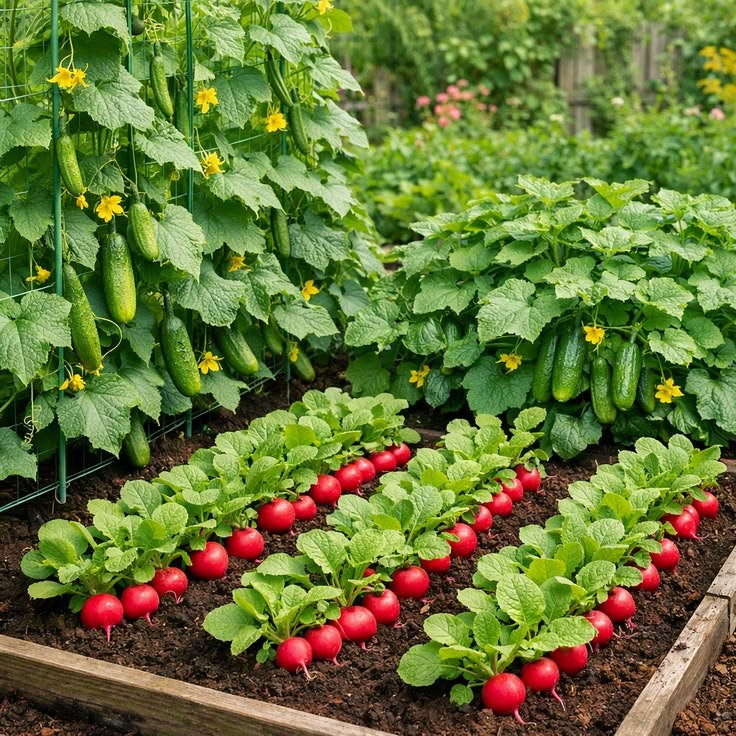
Looking back, every single one of those mistakes came from the same place: too much enthusiasm and not enough patient learning. I wanted instant results like the perfect Instagram gardens I saw online. But gardening in Lahore isn’t Instagram. It’s 48°C days, sudden dust storms, water that sometimes has too much chlorine, and soil that’s been abused for decades. The second season I did everything slower. I started small, only six varieties. I took notes like a mad scientist. I talked to the old uncles who grow vegetables on rooftops in my mohalla and actually listened. I spent more time observing than doing.
And you know what? That second harvest wasn’t perfect either. There were still setbacks. A hailstorm in March destroyed half my early tomatoes. Some leaf miner showed up on the spinach. But the difference was I knew why things were happening and how to fix them quickly. By the end of that season I had harvested over 80 kilos of vegetables from the same tiny patch. Fresh palak for saag every week, enough tomatoes to make paste and freeze, bhindi that actually stayed tender, chilies so hot they made my mother-in-law proud.
If you’re sitting there right now with your first backyard mini farm looking sad and wondering if you should just pave it over, please don’t. Write down exactly what’s going wrong. Take photos. Test your soil. Check your sunlight with an honest app on your phone. Start fixing one thing at a time. The learning curve is steep, but the rewards are ridiculous. There is nothing, and I mean nothing, like walking into your kitchen with a basket of warm tomatoes you grew yourself while the rest of Lahore is buying plastic-wrapped stuff at the hypermarket.
My backyard is still small. The soil is still Lahore soil. The walls still block some sun. But now it works with me instead of against me. And every time I hand a neighbor a bag of fresh okra or watch my kids pull a carrot straight from the ground and eat it like candy, I think back to that awful first harvest and smile. Those seven mistakes didn’t ruin me. They remade me into someone who actually knows what he’s doing.
So go on. Make your mistakes. Just make sure they’re smaller ones than mine. And when your first harvest disappoints you, remember this: the dirt doesn’t care how many times you fail. It only cares that you keep showing up, keep learning, and keep feeding it the good stuff. That’s the real secret of backyard mini farming in a place like ours. Not perfection on day one. Just stubborn, curious love for the small piece of earth you’ve been given.