
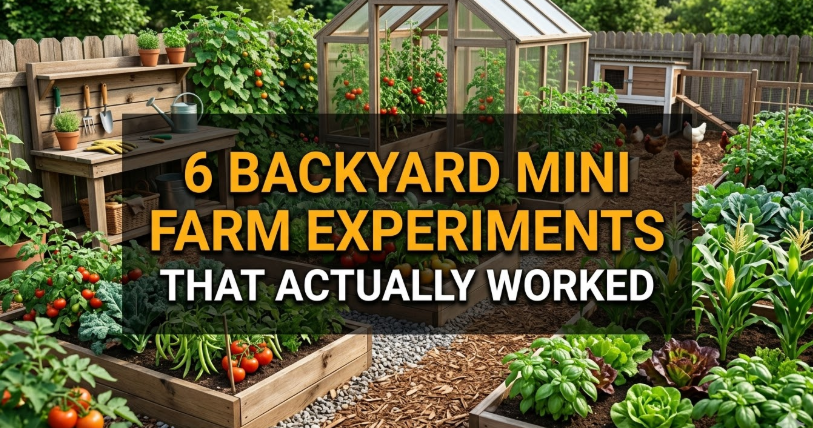
Meta Description: 6 Backyard Mini Farms Experiments That Really Worked — the real results, simple setups and advice you need to grow food in your very own backyard starting this afternoon.
6 Things That Worked from My Backyard Mini Farms Experiments
Many believe that you need acres of land to grow your own food. That’s just not true.
From mini farms to backyard gardens, small spaces are filling with big harvests. From raised beds brimming with vegetables to vertical towers oozing strawberries, ordinary people are conducting real experiments in their backyards — and succeeding.
Here are six actual, measurable results from backyard mini farm experiments. Each was tested in a real backyard, by real people, with limited space and budget. No matter how small your spaces — a tiny urban plot, modest suburban lot — there’s something in here for you.
Let’s dig in.
Why Backyard Mini Farms Are Becoming So Popular
Food prices are rising. Store produce quality is dropping. And most importantly, more people want to know precisely where their food is coming from.
Backyard mini farming resolves all three issues simultaneously.
It doesn’t require farming experience. It doesn’t require expensive equipment. And it certainly doesn’t need a sprawling lot.
What it does mean is curiosity, a little bit of planning and an openness to experimentation. The six experiments that follow demonstrate what’s possible when ordinary people dedicate themselves to trying something different in their own community.
Experiment #1 — 4×8 Raised Bed Vegetable Challenge
The Setup
A family living in suburban Ohio committed to building one 4×8 foot raised bed and recording everything — the cost, hours spent, yield from it, money saved on grocery bills.
They added a combination of topsoil, compost and perlite (a common square foot gardening mix called “Mel’s Mix”). Total startup cost: $187.
They planted:
- Tomatoes (2 plants)
- Zucchini (1 plant)
- Lettuce (two rows)
- Radishes (one row)
- Green beans (one row)
- Basil (corner herb)
What Happened
Over one growing season (May to September) the bed yielded an unexpected volume of food.
| Crop | Yield | Estimated Grocery Value |
|---|---|---|
| Tomatoes | 34 lbs | $51 |
| Zucchini | 18 lbs | $27 |
| Lettuce | 9 lbs | $36 |
| Radishes | 4 lbs | $8 |
| Green Beans | 7 lbs | $14 |
| Basil | 1.5 lbs | $30 |
| Total | 73.5 lbs | $166 |
Year one they nearly broke even — and that’s without considering the fact that a bed lasts for years.
The Big Lesson
One raised bed isn’t going to replace your grocery store. But it will teach you more about growing food than any book would. And in year two (no startup costs) the profit flips heavily in your favor.
Pro Tip: Zucchini sprawls like crazy. One plant is usually all you need. Make that extra space work for you, with premium-priced crops such as cherry tomatoes or herbs.
Experiment #2 — No-Dig Lasagna Garden on Dead Grass
The Idea Behind It
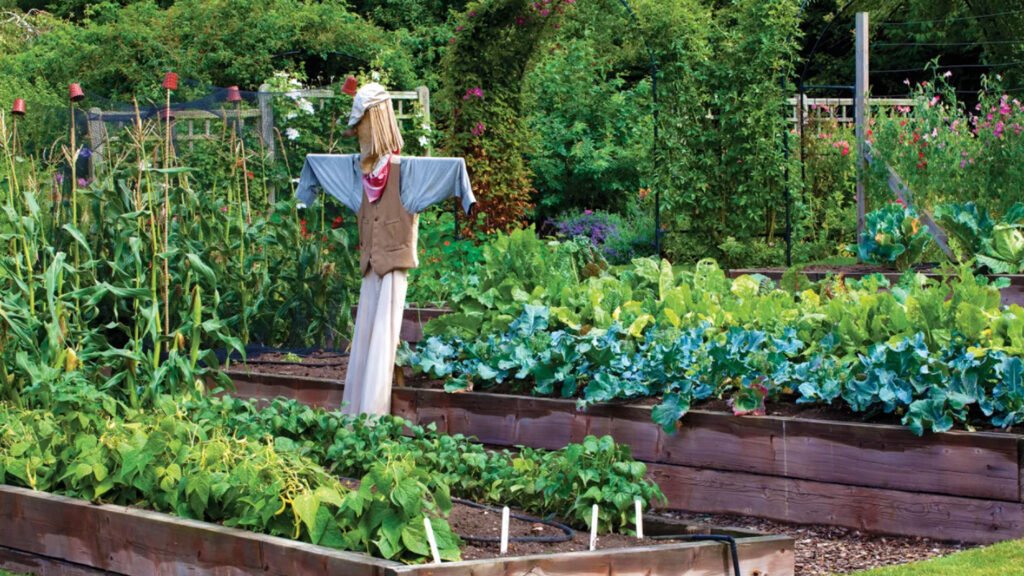
A Texas homeowner was left with a backyard plagued by dry, compacted grass that was almost dead. Tilling wasn’t an option — the soil below was as hard as clay. So they decided to try something new: a no-dig lasagna garden.
The concept is simple. You blanket the grass with cardboard and layers of organic matter. In time, the layers decompose and form nutrient-rich soil — without the dirt being turned.
How They Built It
They laid out the beds in October, so they would be ready by spring.
Layers used (bottom to top):
- Cardboard (flatten boxes, do not include tape or staples)
- 4 inches of straw
- 3 inches of compost
- 4 inches of wood chips
- 2 inches of finished compost on top
Coverage area: 120 sq ft. Total cost: $60 (most materials came from a tree service and moving boxes).
Spring Results
By April, the grass below was entirely dead. The cardboard had decomposed. There were earthworms everywhere — a sign of good, active soil.
They grew:
- Sweet potatoes (massive hit — 41 lbs)
- Peppers (moderate — 12 lbs)
- Cucumbers (great — 22 lbs)
- Sunflowers (for pollinators and seeds)
The Big Lesson
You don’t have to use good soil to begin. You can create good soil on top of bad soil. This experiment is particularly helpful for those with compacted yards, clay-heavy soil or patchy grass that they would like to repurpose.
It also helps to reduce stark weed pressure. That translates to less maintenance during the season.
Experiment #3 — Vertical Strawberry Tower With PVC Pipe
Why Go Vertical?
Space is the single biggest barrier for backyard mini farmers. Going vertical solves that immediately.
A Seattle-based couple constructed a vertical tower out of a 6-inch PVC pipe, using minimal material space (less than four square feet) and grew their own strawberries.
The Build
Materials needed:
- A 6-inch diameter PVC pipe (6 feet long)
- 1.5-inch PVC pipe (for internal watering)
- Hole saw drill bit
- Potting mix
- Strawberry runners (everbearing variety)
They drilled 2-inch holes in a spiral pattern along the large pipe. The small pipe passed through the center with little holes drilled into it — this let water reach roots at every level.
Total cost: $45
The Harvest Numbers
This single vertical tower produced 19 lbs of strawberries over one summer season. At organic grocery store prices (~$4/lb), that’s $76 worth of strawberries from a 4-square-foot footprint.
The Big Lesson
Growing vertically increases your output per square foot by leaps and bounds. That is the primary lesson for gardeners with limited space.
Strawberries are also great for towers because:
- They don’t need deep soil
- They spread naturally (everbearing types produce fruit all season)
- They’re pricey in the shop but inexpensive to cultivate
This also works with: Herbs, lettuce, spinach or even cherry tomatoes.
Experiment #4 — The Container Potato Bag Test (3 Methods Compared)
The Question They Set Out to Answer
Do potato plants actually produce a significant amount of potatoes in fabric grow bags on patios? And does the method matter?
A Pennsylvania home gardener conducted three distinct container potato experiments alongside each other, with three different methods.
The Three Methods
Method A — Classic Hilling Plant seed potatoes at the bottom and cover with soil as vines grow upward.
Method B — No-Hill Flat Plant Seed potatoes sown mid-bag, full of soil. No additional soil added.
Method C — Straw Fill Plant seed potatoes near the bottom. As the shoots grow, fill the bag with straw instead of soil.
All three used the same variety (Yukon Gold), same-size bags (15-gallon fabric), same starting date, same watering schedule.
Side-by-Side Results
| Method | Total Yield | Notes |
|---|---|---|
| Method A (Hilling) | 8.2 lbs | Most labor, best yield |
| Method B (Flat) | 5.6 lbs | Easiest, decent yield |
| Method C (Straw) | 6.9 lbs | Lightest weight, easy harvest |
The Big Lesson
All three methods work. Traditional hilling wins on yield; straw fill wins on harvestability (just dump and collect — no digging).
Method B is the best place to start for beginners. Less work, great returns, near zero chance of a mistake.
Container potatoes are also an inspired option for folks with no lawn whatsoever — a sunny balcony or driveway will do just fine.
Experiment #5 — The Backyard Chicken + Garden Integration
More Than Just Eggs
This experiment goes beyond plants. One family in North Carolina added three backyard hens to their mini farm, and they tracked the full impact — not just egg production, but how the chickens affected the garden.
If you’re curious about more real-world setups like this, Backyard Mini Farms is a great resource for practical guides, experiment ideas, and community tips from growers doing exactly this kind of work.
The Setup
They built a small mobile chicken tractor — a cage without a bottom that could be moved about the yard. The chickens scratched, pecked and fertilized whatever area they were put in.
The family tracked:
- Egg production per month
- Compost/fertilizer output
- Pest reduction in the garden
- Monthly feed cost
6-Month Data Summary
| Month | Eggs Collected | Feed Cost | Notes |
|---|---|---|---|
| Month 1 | 42 | $18 | Settling in period |
| Month 2 | 61 | $18 | Production rising |
| Month 3 | 74 | $20 | Peak summer lay |
| Month 4 | 79 | $20 | Peak month |
| Month 5 | 68 | $18 | Slight seasonal dip |
| Month 6 | 55 | $18 | Fall slowdown |
| Total | 379 eggs | $112 |
At $4/dozen grocery store price, 379 eggs = roughly $126 worth of eggs. They came very close to breaking even on feed costs alone — and that’s without considering the garden benefits.
Garden Impact
After moving the chicken tractor over a bed for two weeks, the soil was visibly richer. Pest numbers (notably grubs and beetles) fell sharply in those zones. Less fertilizer spent, less time on pest control.
The Big Lesson
Chickens and gardens are a match made in heaven. The chickens feed the garden. The chickens eat the garden scraps. This is a really efficient setup in backyard mini farming.
Note: Always check local zoning laws before keeping backyard chickens. A lot of municipalities will allow hens but not roosters.
Experiment #6 — Aquaponics Starter System in a 100-Gallon Tank
What Is Aquaponics?
Aquaponics is a fish farming and plant growing hybrid in one closed-loop system. Fish waste feeds the plants. Plants filter the water for the fish. It sounds complicated — but this experiment showed it can be done simply.
An Arizona high school teacher constructed a mini aquaponics system in a 100-gallon stock tank and had it running for eight months nonstop. According to the University of Hawaii’s aquaponics research program, small-scale systems like this are increasingly viable for home growers and produce significantly less water waste than conventional gardening.
The Build
- Fish: 12 tilapia (easy to care for, fast-growing, heat resistant)
- Grow bed: A shallow tray above the tank with gravel in it, fed from a simple pump
- Plants grown: Lettuce, kale, mint and green onions
- Total startup cost: $310 (tank, pump, fish, seeds, gravel)
The Results
Over 8 months:
- Fish yield: 9 lbs of tilapia (6 harvested, 6 kept to maintain the system)
- Plant yield: 22 lbs of greens
- Water usage: 90% less than soil gardening
- Monthly electricity cost (pump): ~$4
Estimated Value Produced
| Output | Amount | Est. Value |
|---|---|---|
| Tilapia (harvested) | 6 lbs | $30 |
| Lettuce | 10 lbs | $40 |
| Kale | 7 lbs | $21 |
| Mint + Green Onions | 5 lbs | $20 |
| Total | $111 |
The Big Lesson
Aquaponics is more than a science fair project. It’s a real, productive system that requires very little soil and consumes hardly any water at all. That makes it especially useful in arid climates or where the soil is of low quality.
The workflow is more complicated than simply growing in a raised bed — but once the system stabilizes (typically after 4–6 weeks), it pretty much takes care of itself.
Bringing It All Together — Which Experiment Should You Try?
Not every experiment is suited to every backyard. Here’s a brief guide to help you figure out where to get started.
| Experiment | Best For | Startup Cost | Difficulty |
|---|---|---|---|
| Raised Bed Veggie Garden | Beginners with some yard space | $150–$250 | Easy |
| No-Dig Lasagna Garden | Poor soil or dead grass areas | $30–$80 | Easy |
| Vertical Strawberry Tower | Tiny spaces, patios | $40–$60 | Easy–Medium |
| Container Potato Bags | No yard, balcony growers | $30–$50 | Easy |
| Backyard Chickens + Garden | Families wanting eggs + soil boost | $200–$400 | Medium |
| Aquaponics Tank System | Dry climates, tech-curious growers | $250–$400 | Medium–Hard |
Start with one experiment. Master it. Then add another. That’s how you grow your systems as a backyard mini farmer over time.
Mistakes That Ruin Backyard Mini Farm Results
No one is immune to basic mistakes that creep in. Here are the most common ones — and how to avoid them.
Overwatering — More plants die from too much water than too little. Check the soil before watering at all times. If it’s still wet 2 inches down, don’t water.
Skipping compost — Compost is the lifeblood of a productive mini farm. Don’t skip it to save money. Your yields will suffer.
Planting too much all at once — Beginners often try to plant 15 different things and then get overwhelmed. Start with 3–5 crops that you actually eat.
Not giving enough sunlight — The majority of vegetables require 6–8 hours of direct sun each day. Make sure to map the sun patterns in your yard before planting anything.
Not tracking results — The experiments above were successful because people paid attention. Keep a simple notebook. Keep track of what you planted, when you watered and when you harvested.
FAQs About Backyard Mini Farms
Q: What is the minimum space requirement for a backyard mini farm? You can begin with as small a space as 4×4 feet. Even a balcony outfitted with containers can become a productive mini farm. Smart planning matters more than space.
Q: How long does it take for a backyard mini farm to pay for itself? Most simple setups (raised beds, containers) break even in year one and save money in year two. More complex systems such as aquaponics can require 12–18 months.
Q: What is the easiest crop for beginners to grow? The most forgiving crops include radishes, lettuce, green beans and herbs such as basil. They grow quickly, don’t require ideal conditions and get you results fast.
Q: I live in an apartment — can I start a backyard mini farm? Yes — with limitations. On balconies, container gardens do the trick. Indoor solutions range from vertical towers to grow bags, or even small aquaponics systems when paired with grow lights.
Q: Do backyard chickens really help the garden? Absolutely. Chickens naturally scratch up pests, generate nitrogen-rich manure and consume garden scraps. When run with a mobile tractor, they are one of your best garden companions.
Q: Is it safe to grow food with aquaponics? Yes, when maintained properly. The trick is keeping the fish healthy and testing water quality frequently. When it comes to food production, tilapia is the easiest fish to start with.
Q: When is the best time of year to start a backyard mini farm? Most climates will find spring to be the best time. But no-dig beds can also be prepared in the fall. Container gardens and indoor aquaponics systems can be started any month of the year.
Conclusion — Small Scale, Real Results
The six backyard mini farm experiments summarized here are not theories. They were carried out in actual backyards, with real budgets, and they grew actual food.
A 4×8 raised bed provided a family with fresh tomatoes all summer. A 100-gallon tank raised fish and lettuce at the same time. Without lifting a shovel, dead grass became rich garden soil.
The common thread? Starting small and staying consistent.
You don’t need a perfect yard, a big budget or a farming background. You need a plan, some patience and the willingness to learn from what the soil (and the fish) teach you.
Choose one experiment from this list. Start this weekend. By season’s end, you’ll have food that you grew yourself — and know how to grow even more next year.
That’s what backyard mini farming is all about.