



9 Essential Backyard Mini Farms Livestock Safety Tips
Backyard mini farming has become more than a trend—it’s a lifestyle shift toward sustainability, food security, and a deeper connection with nature. Whether you’re raising chickens for eggs, goats for milk, or rabbits for meat, one thing remains constant: livestock safety is the backbone of a successful mini farm.
Many beginners focus heavily on feeding schedules, breeds, or coop designs—but overlook safety until something goes wrong. A single predator attack, illness outbreak, or poorly secured enclosure can undo months of hard work in a single night.
This guide walks you through 9 essential livestock safety tips designed specifically for small backyard farms. It goes beyond basic advice by including practical examples, tables, and actionable systems you can implement immediately.
Why Livestock Safety Matters More Than You Think
Before diving into the tips, it’s important to understand what’s at stake.
Livestock safety isn’t just about protecting animals—it’s about:
- Preventing financial loss
- Ensuring consistent food production
- Avoiding emotional stress
- Maintaining animal welfare standards
Common Risks in Backyard Mini Farms
| Risk Type | Examples | Impact Level |
|---|---|---|
| Predators | Dogs, foxes, snakes, hawks | High |
| Disease | Parasites, infections | High |
| Weather | Heatwaves, cold snaps | Medium-High |
| Human Error | Open gates, poor feeding | Medium |
| Toxic Exposure | Plants, chemicals | Medium |
1. Secure Your Enclosures Like a Fortress
The most common mistake beginners make is underestimating predators.
Even in urban or semi-urban areas, animals like stray dogs, rats, snakes, and birds of prey can pose serious threats.
Key Safety Practices
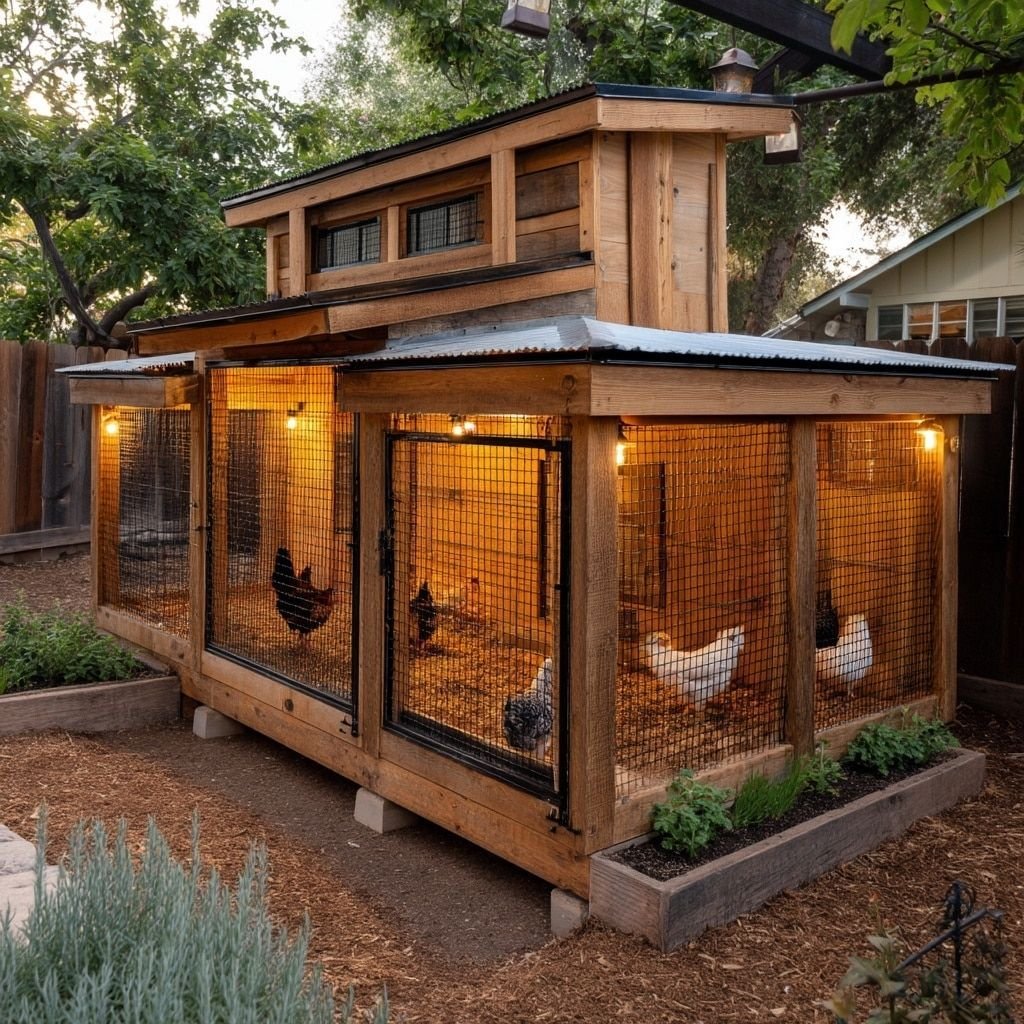
- Use hardware cloth instead of chicken wire
- Bury fencing at least 12 inches underground
- Install lockable latches
- Cover the top of enclosures
Coop Security Checklist
| Feature | Recommended Standard |
|---|---|
| Wire Type | ½ inch hardware cloth |
| Fence Depth | 12–18 inches underground |
| Door Lock | Predator-proof latch |
| Roof Coverage | Fully enclosed |
💡 Tip: Chicken wire keeps chickens in—but does NOT keep predators out.
2. Practice Strict Hygiene and Sanitation
Disease spreads quickly in small spaces. Poor hygiene can wipe out your livestock faster than predators.
Essential Hygiene Routine
- Clean feeders and waterers daily
- Remove waste weekly
- Disinfect enclosures monthly
- Quarantine new animals
Cleaning Schedule Chart
| Task | Frequency | Tools Needed |
|---|---|---|
| Water change | Daily | Clean bucket |
| Waste removal | Weekly | Shovel, gloves |
| Deep cleaning | Monthly | Disinfectant |
| Full inspection | Monthly | Checklist |
3. Provide Safe and Balanced Nutrition
Improper feeding can lead to illness, weakness, and even death.
Key Feeding Rules
- Avoid moldy or spoiled food
- Provide species-specific diets
- Ensure constant access to clean water
- Supplement with minerals if needed
Example Feeding Table
| Animal | Primary Feed | Supplements |
|---|---|---|
| Chickens | Layer feed | Calcium, grit |
| Goats | Hay, forage | Minerals, salt |
| Rabbits | Pellets, greens | Fiber-rich hay |
4. Protect Against Extreme Weather
Backyard farms are especially vulnerable to climate changes.
Heat Safety Tips
- Provide shade
- Use cool water
- Install ventilation
Cold Weather Tips
- Insulate shelters
- Add bedding
- Block drafts
Temperature Risk Chart
| Temperature Range | Risk Level | Action Needed |
|---|---|---|
| Above 35°C | High | Cooling required |
| 20–30°C | Safe | Normal care |
| Below 10°C | Medium | Add insulation |
| Below 0°C | High | Emergency protection |
5. Regular Health Monitoring is Non-Negotiable
Healthy animals show predictable behavior. Any deviation can signal trouble.
Daily Observation Checklist
- Eating normally?
- Active and alert?
- No unusual discharge?
- Normal droppings?
Common Warning Signs
| Symptom | Possible Issue |
|---|---|
| Lethargy | Infection |
| Weight loss | Parasites |
| Diarrhea | Poor diet/disease |
| Coughing | Respiratory illness |
6. Predator Awareness and Prevention
Predators don’t just attack randomly—they observe patterns.
Smart Prevention Strategies
- Lock animals before sunset
- Use motion lights
- Install cameras if possible
- Rotate grazing areas
Predator Activity Chart
| Predator Type | Active Time | Target Animals |
|---|---|---|
| Foxes | Night | Chickens |
| Hawks | Day | Small birds |
| Snakes | Night | Eggs, chicks |
| Dogs | Anytime | All livestock |
7. Safe Handling and Training
Improper handling can injure both you and your animals.
Handling Basics
- Move slowly
- Avoid loud noises
- Support animal body properly
- Train animals to trust you
Animal Handling Guide
| Animal | Handling Tip |
|---|---|
| Chickens | Hold wings close to body |
| Goats | Guide, don’t pull |
| Rabbits | Support hind legs |
8. Use Safe Materials and Equipment
Not all farm equipment is safe—especially for small backyard setups.
Avoid These Hazards
- Rusty metal
- Sharp edges
- Toxic paints
- Weak cages
Safe Equipment Checklist
| Item | Safe Option |
|---|---|
| Feeders | BPA-free plastic |
| Fencing | Galvanized steel |
| Bedding | Straw, wood shavings |
9. Emergency Preparedness Plan
Most backyard farmers don’t think about emergencies—until it’s too late.
Must-Have Emergency Kit
- First aid supplies
- Backup feed
- Clean water storage
- Contact for local vet
Emergency Readiness Table
| Scenario | Preparedness Action |
|---|---|
| Power outage | Backup lighting |
| Disease outbreak | Isolation area |
| Predator attack | Reinforced enclosure |
| Flooding | Elevated shelter |
Putting It All Together: A Simple Safety System
Here’s a quick framework to keep everything organized:
Weekly Safety Routine
| Day | Task |
|---|---|
| Monday | Health check |
| Wednesday | Cleaning |
| Friday | Fence inspection |
| Sunday | Feed & supply review |
Final Thoughts
Backyard mini farming is rewarding—but it comes with real responsibility. Safety isn’t a one-time setup; it’s an ongoing habit.
The good news? Once you build strong systems, most of these tasks become second nature.
Think of livestock safety as an investment. The time and effort you put in today will save you from costly mistakes tomorrow—and ensure your animals live healthy, productive lives.
FAQs
1. What is the biggest safety risk in backyard mini farms?
The biggest risk is predator attacks, especially at night. Poorly secured enclosures are the main cause.
2. How often should I clean my livestock area?
Basic cleaning should be done weekly, while deep cleaning should happen once a month.
3. Can I use chicken wire for protection?
No. Chicken wire is not predator-proof. Use hardware cloth for better safety.
4. How do I know if my animal is sick?
Look for changes in behavior such as loss of appetite, lethargy, or unusual droppings.
5. What temperature is dangerous for livestock?
Temperatures above 35°C or below 0°C can be dangerous and require immediate action.
6. Do backyard farms need a vet?
Yes. Even small farms should have access to a local veterinarian for emergencies and routine health checks.