
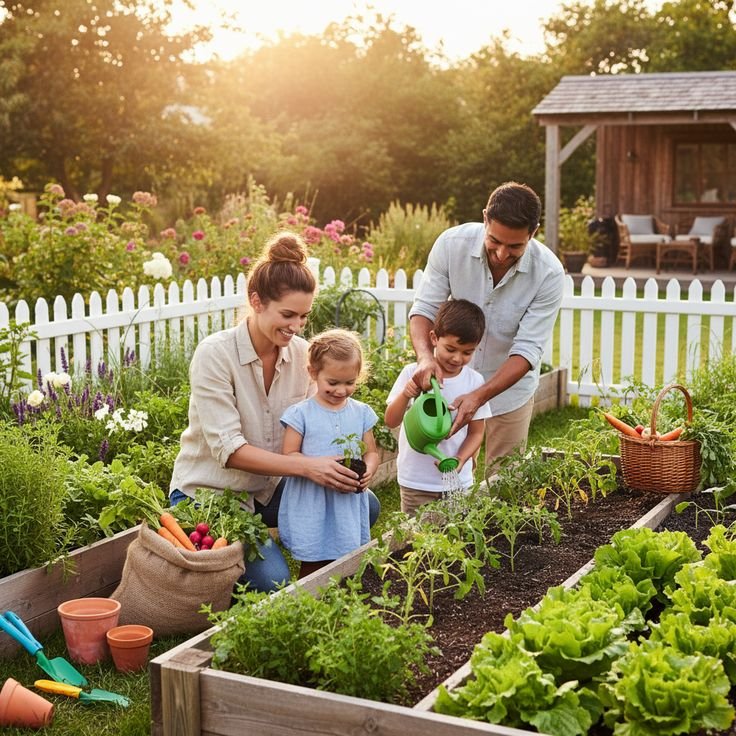
9 Powerful Backyard Mini Farms Organic Growing Tips
There’s something quietly powerful about stepping into your backyard and harvesting your own food. Whether it’s a handful of crisp lettuce, sun-warmed tomatoes, or freshly cut herbs, the experience feels grounding in a way grocery shopping never will.
Backyard mini farming isn’t about perfection. It’s about smart systems, steady learning, and using what you already have. And if you’re leaning toward organic growing, you’re not just producing food—you’re building a healthier, more sustainable ecosystem right outside your door.
In this guide, you’ll discover 9 powerful organic growing tips that can transform even the smallest backyard into a productive, thriving mini farm. Along the way, you’ll find practical tables, visual breakdowns, and real-world strategies you can actually apply.
Why Organic Backyard Mini Farming Matters
Before diving into the tips, let’s get one thing clear: organic growing isn’t just a trend.
It’s about:
- Protecting soil health
- Avoiding harmful chemicals
- Growing nutrient-dense food
- Supporting biodiversity
And perhaps most importantly—it gives you control over what you eat.
Tip #1: Build Living Soil First (Not Just Dirt)
If there’s one principle that separates struggling gardens from thriving ones, it’s soil health.
Organic farming starts below the surface.
What Makes Soil “Alive”?
Living soil contains:
- Microorganisms (bacteria, fungi)
- Earthworms
- Organic matter
- Balanced nutrients
Ideal Soil Composition
| Component | Percentage | Role |
|---|---|---|
| Sand | 40% | Drainage |
| Silt | 40% | Nutrient retention |
| Clay | 20% | Structure |
| Organic Matter | 5–10% | Life + fertility |
Simple Soil Boost Plan
| Week | Action |
|---|---|
| 1 | Add compost (2–3 inches) |
| 2 | Mix gently (don’t over-till) |
| 3 | Mulch top layer |
| 4 | Let soil rest |
👉 Pro Insight: Avoid chemical fertilizers. They feed plants temporarily but destroy soil biology over time.
Tip #2: Compost Like a Pro (Turn Waste into Gold)
Your kitchen scraps are not trash—they’re future harvests.
Compost Ingredients Balance
| Greens (Nitrogen) | Browns (Carbon) |
|---|---|
| Vegetable peels | Dry leaves |
| Fruit scraps | Cardboard |
| Coffee grounds | Straw |
Ideal Compost Ratio
| Element | Ratio |
|---|---|
| Carbon | 30 |
| Nitrogen | 1 |
Compost Timeline
| Method | Time to Ready |
|---|---|
| Cold compost | 3–6 months |
| Hot compost | 4–8 weeks |
👉 Keep it moist (not wet) and turn weekly for faster results.
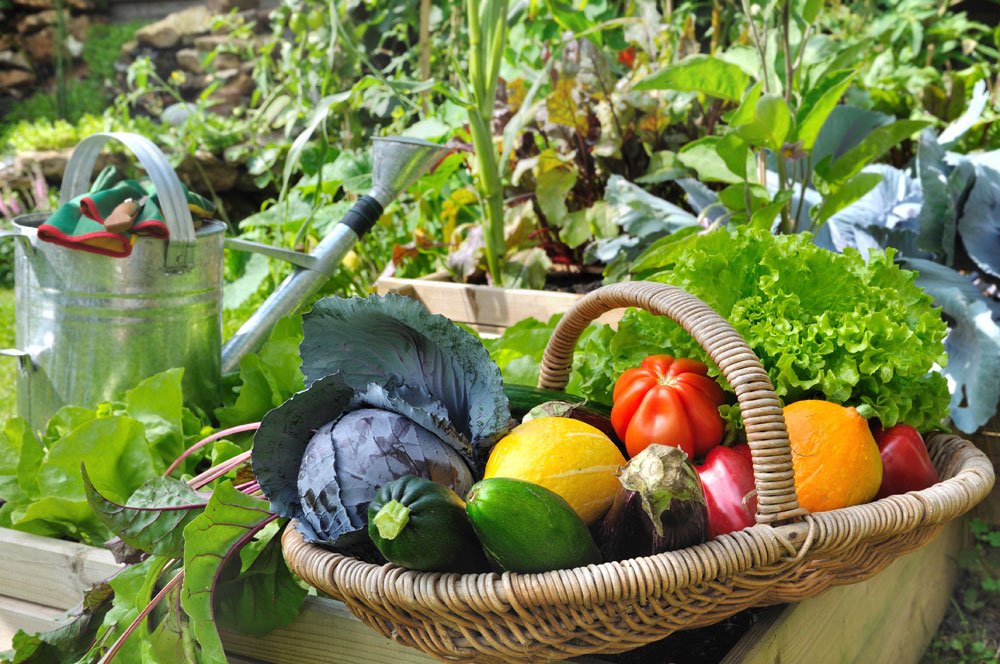
Tip #3: Grow What Thrives in Your Climate
One of the biggest mistakes beginners make is growing crops that don’t suit their environment.
Seasonal Crop Planning
| Season | Best Crops |
|---|---|
| Winter | Spinach, carrots, peas |
| Spring | Lettuce, herbs, radish |
| Summer | Tomatoes, cucumbers, peppers |
| Fall | Broccoli, cabbage, cauliflower |
Quick Decision Chart
| Condition | Choose These Crops |
|---|---|
| Hot climate | Okra, eggplant |
| Cool weather | Kale, spinach |
| Small space | Herbs, lettuce |
👉 Start with easy, high-yield plants before experimenting.
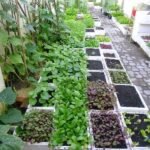
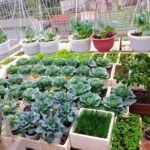
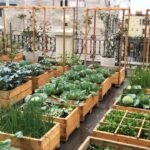
Tip #4: Use Raised Beds for Maximum Efficiency
Raised beds are one of the smartest upgrades for backyard mini farms.
Benefits of Raised Beds
- Better drainage
- Fewer weeds
- Easier maintenance
- Improved soil control
Ideal Raised Bed Dimensions
| Feature | Recommended Size |
|---|---|
| Width | 3–4 feet |
| Height | 10–18 inches |
| Length | As per space |
Yield Comparison
| Method | Yield Efficiency |
|---|---|
| Ground | Medium |
| Raised beds | High |
| Containers | Low–Medium |
👉 Raised beds warm up faster in spring, giving you a head start.
Tip #5: Master Companion Planting
Plants can help—or harm—each other.
Companion planting uses natural relationships to improve growth and reduce pests.
Powerful Plant Combinations
| Plant | Companion | Benefit |
|---|---|---|
| Tomatoes | Basil | Repels insects |
| Carrots | Onions | Pest control |
| Corn | Beans | Nitrogen support |
| Cucumbers | Dill | Attracts beneficial insects |
Avoid These Pairings
| Plant A | Avoid Plant B |
|---|---|
| Tomatoes | Potatoes |
| Onions | Beans |
👉 Think of your garden like a community—not just individual plants.
Tip #6: Water Smart, Not More
Overwatering kills more plants than underwatering.
Best Watering Practices
| Time of Day | Effect |
|---|---|
| Morning | Best absorption |
| Afternoon | High evaporation |
| Night | Risk of disease |
Water Needs by Plant Type
| Plant Type | Frequency |
|---|---|
| Leafy | Daily (light) |
| Root | Every 2–3 days |
| Fruit | Deep weekly soak |
👉 Use mulch to reduce water loss by up to 50%.
Tip #7: Go Natural with Pest Control
Organic farming doesn’t mean no pests—it means smart pest control.
Natural Pest Solutions
| Problem | Solution |
|---|---|
| Aphids | Neem oil spray |
| Slugs | Crushed eggshells |
| Caterpillars | Hand removal |
| Whiteflies | Sticky traps |
Homemade Spray Recipe
| Ingredient | Quantity |
|---|---|
| Water | 1 liter |
| Neem oil | 1 tsp |
| Dish soap | Few drops |
👉 Spray early morning for best results.
Tip #8: Rotate Crops to Keep Soil Healthy
Growing the same crop in the same spot leads to nutrient depletion and disease.
Crop Rotation Cycle
| Year | Crop Type |
|---|---|
| 1 | Leafy greens |
| 2 | Fruit crops |
| 3 | Root crops |
| 4 | Legumes |
Why It Works
- Prevents soil exhaustion
- Reduces pests
- Improves yield
👉 Think long-term—rotation is an investment in future harvests.
Tip #9: Start Small, Then Scale Smart
One of the biggest mistakes? Trying to do everything at once.
Smart Growth Plan
| Stage | Focus |
|---|---|
| Beginner | 3–5 crops |
| Mid | Add compost + beds |
| Advanced | Expand + diversify |
Space vs Yield Planning
| Backyard Size | Strategy |
|---|---|
| Small | Vertical gardening |
| Medium | Raised beds |
| Large | Mixed systems |
👉 Master one area before expanding.
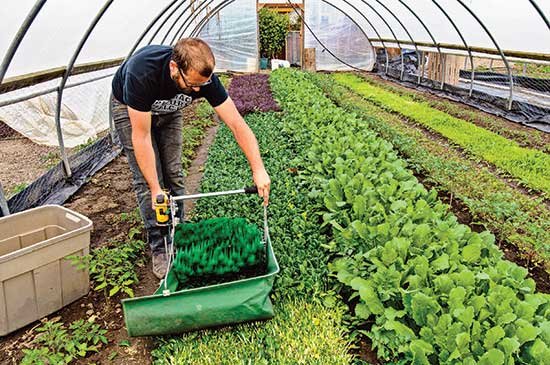
Sample Backyard Mini Farm Layout
Here’s a simple layout you can follow:
| Zone | Purpose |
|---|---|
| Zone 1 | Herbs (easy access) |
| Zone 2 | Vegetables |
| Zone 3 | Compost area |
| Zone 4 | Small livestock (optional) |
Productivity Chart: Organic vs Non-Organic
| Factor | Organic Farming | Chemical Farming |
|---|---|---|
| Soil Health | Improves | Degrades |
| Yield (Short) | Moderate | High |
| Yield (Long) | High | Declines |
| Cost | Low | High |
| Sustainability | Excellent | Poor |
Final Thoughts
Backyard mini farming isn’t about having acres of land. It’s about using what you have—wisely.
Organic growing teaches patience, observation, and respect for natural systems. Once you understand the rhythm, everything starts working together: soil, plants, insects, and seasons.
Start small. Stay consistent. And let your backyard evolve into something far more valuable than just a garden—it becomes a living system.
FAQs
1. What is the easiest crop for beginners in backyard mini farming?
Leafy greens like lettuce and spinach are the easiest. They grow fast, require minimal care, and adapt well to small spaces.
2. How long does it take to see results in organic gardening?
You can see initial growth within 2–4 weeks, but soil improvement and long-term results take 2–3 months.
3. Is organic farming more expensive?
No. It’s often cheaper because you reuse kitchen waste, avoid chemicals, and rely on natural systems.
4. Can I do backyard farming in a very small space?
Yes. Use vertical gardening, containers, and compact crops like herbs and greens.
5. How do I keep pests away without chemicals?
Use neem oil, companion planting, and manual removal. Natural methods are effective when used consistently.
6. How often should I water my plants?
It depends on the plant type, but generally 2–3 times a week with deep watering is better than daily shallow watering.