9 Backyard Mini Farms Wins From My First Growing Season
A Real, Gritty, and Surprisingly Rewarding Journey
When I started my backyard mini farm, I wasn’t chasing perfection—I just wanted fresh food, a little independence, and something meaningful to do with my time. What I didn’t expect was how quickly small wins would stack up into something that felt like a complete lifestyle shift.
This isn’t a polished “success story.” It’s a collection of real wins—some messy, some accidental, and all deeply satisfying. If you’re thinking about starting your own mini farm, these lessons might save you time, money, and frustration.
🌱 Win #1: I Grew More Food Than I Expected
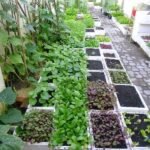
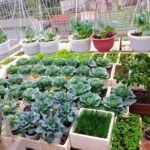
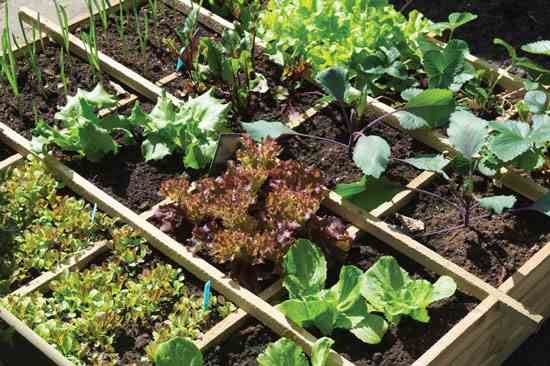
At the start of the season, I underestimated how productive even a small backyard could be. I planted a mix of leafy greens, tomatoes, chilies, and a few root vegetables. I figured I’d get a few harvests—nothing major.
I was wrong.
Within weeks, I had more spinach and lettuce than I could eat. By mid-season, tomatoes were coming in faster than I could pick them.
Yield Snapshot from My First Season
| Crop | Area Used (sq ft) | Total Yield (kg) | Harvest Duration |
|---|---|---|---|
| Spinach | 12 | 8.5 | 6 weeks |
| Tomatoes | 20 | 18 | 10 weeks |
| Green Chilies | 8 | 5 | 8 weeks |
| Radishes | 6 | 4 | 4 weeks |
Lesson: Even a small, well-managed space can outperform expectations. Intensive planting works.
🐔 Win #2: Chickens Became the Heart of the Farm
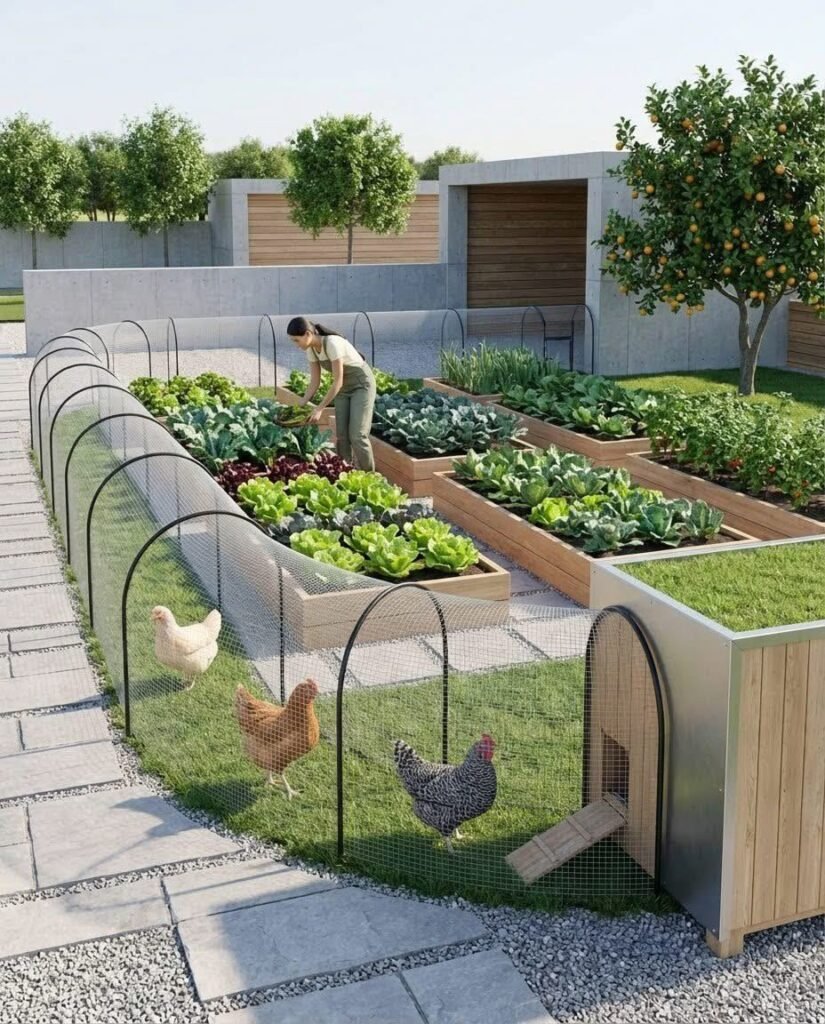
Adding chickens was a last-minute decision. I started with just four hens, unsure if they’d be worth the effort.
They ended up being the most rewarding part of the farm.
- Fresh eggs daily
- Natural pest control
- Compost acceleration
- Endless entertainment
Weekly Egg Production
| Week | Eggs Collected |
|---|---|
| 1 | 12 |
| 4 | 18 |
| 8 | 22 |
| 12 | 25 |
Lesson: Chickens aren’t just livestock—they’re ecosystem builders.
🌿 Win #3: Composting Reduced My Waste to Almost Zero
Before the farm, kitchen waste was just trash. Now, it’s fuel.
I built a simple compost bin using scrap wood. Within weeks, I had a system:
- Kitchen scraps → compost
- Compost → garden beds
- Garden waste → back into compost
Compost Input vs Output
| Material Type | Weekly Input (kg) | Conversion Time | Output Quality |
|---|---|---|---|
| Vegetable scraps | 3 | 4–6 weeks | Rich & dark |
| Dry leaves | 2 | 6–8 weeks | Balanced |
| Chicken manure | 1 | 3–4 weeks | High nitrogen |
Lesson: Waste is only waste if you don’t use it.
💧 Win #4: Water Efficiency Improved Dramatically
At first, I watered everything manually—and wasted a lot of water.
Then I switched to:
- Drip irrigation
- Mulching
- Early morning watering
Water Usage Comparison
| Method | Daily Water Use (liters) | Efficiency |
|---|---|---|
| Manual watering | 120 | Low |
| Drip irrigation | 65 | High |
| With mulching | 45 | Very High |
Lesson: Smart watering cuts effort and costs in half.
🥬 Win #5: Succession Planting Kept the Harvest Going
One of my biggest early mistakes was planting everything at once. The result? A flood of produce… followed by nothing.
Once I learned succession planting, everything changed.
Example Planting Schedule
| Crop | Planting Interval | Harvest Cycle |
|---|---|---|
| Lettuce | Every 2 weeks | 30 days |
| Radish | Every 10 days | 25 days |
| Spinach | Every 2 weeks | 35 days |
Lesson: Timing matters more than space.
🌼 Win #6: Pollinators Showed Up Naturally
I didn’t plan for bees or butterflies—but once flowers bloomed, they arrived.
Adding a few flowering plants made a huge difference:
- Better fruit production
- Healthier plants
- A more vibrant farm
Pollinator-Friendly Plants That Worked
| Plant | Benefit |
|---|---|
| Marigold | Pest control |
| Sunflower | Attracts bees |
| Basil (flowering) | Boosts pollination |
Lesson: Nature helps when you give it a reason to.
🛠️ Win #7: DIY Setups Saved a Lot of Money
Instead of buying expensive gear, I built most things myself:
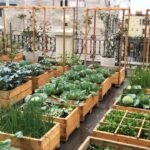
- Raised beds from old wood
- Chicken coop from scrap materials
- Trellises from bamboo
Cost Comparison
| Item | Store Price | DIY Cost |
|---|---|---|
| Raised bed | $80 | $20 |
| Chicken coop | $250 | $90 |
| Trellis | $30 | $8 |
Lesson: Creativity beats budget limitations.
🌞 Win #8: I Learned to Read the Land
At the start, I followed generic advice. Over time, I started noticing:
- Which areas got more sunlight
- Where water pooled
- Which crops struggled or thrived
Micro-Zone Observations
| Area | Sunlight | Best Crops |
|---|---|---|
| Back corner | Full sun | Tomatoes, chilies |
| Side wall | Partial | Spinach, herbs |
| Shaded edge | Low | Mint, coriander |
Lesson: Your backyard has its own personality—learn it.
🌾 Win #9: The Lifestyle Shift Was the Biggest Reward
This wasn’t just about food.
It changed how I live:
- I eat fresher meals
- I spend more time outdoors
- I waste less
- I feel more connected to what I consume
Personal Impact Chart
| Area | Before Farm | After Farm |
|---|---|---|
| Grocery spend | High | Reduced |
| Physical activity | Low | Moderate |
| Stress level | High | Lower |
| Food quality | Average | High |
Lesson: A backyard farm doesn’t just grow food—it grows habits.
📊 Seasonal Summary Dashboard
| Category | Rating (1–10) | Notes |
|---|---|---|
| Productivity | 8 | Strong yields overall |
| Cost efficiency | 9 | DIY saved significantly |
| Learning curve | 7 | Mistakes helped growth |
| Sustainability | 9 | Compost + low waste system |
| Enjoyment | 10 | Most rewarding part |
🌿 Final Thoughts
If there’s one thing I’ve learned, it’s this:
You don’t need a big farm to grow something meaningful.
A backyard, a few tools, and a willingness to learn are enough.
You’ll make mistakes. You’ll lose crops. But you’ll also experience small wins that feel bigger than they should—and those wins will keep you going.
❓ FAQs
1. How much space do I need to start a backyard mini farm?
You can start with as little as 50–100 square feet. Even a small area can produce a surprising amount of food with proper planning.
2. What are the easiest crops for beginners?
Spinach, lettuce, radishes, and herbs like mint or basil are great starting points. They grow quickly and require minimal care.
3. Is raising chickens difficult for beginners?
Not really. Start small (3–4 hens), provide basic shelter, food, and water, and they’re relatively low-maintenance.
4. How can I reduce costs when starting?
Go DIY wherever possible—use recycled materials, save seeds, and make your own compost.
5. How often should I water my crops?
It depends on weather and soil, but generally:
- Daily in hot climates
- Every 2–3 days in mild conditions
Using mulch and drip irrigation helps reduce frequency.
6. What’s the biggest mistake beginners make?
Planting everything at once and ignoring soil health. Focus on timing and soil quality first.