


Meta Description: Backyard mini farms livestock mistakes can be time-consuming, money-consuming and costly in terms of animal welfare. 8 Lessons I Wish I Knew Before Starting Small-Scale Farming
8 Livestock Mistakes I Learned the Hard Way on Backyard Mini Farms
It is exciting, starting a backyard mini farm. You envision fresh eggs every morning, perhaps a couple of goats munching in the yard and the satisfaction that comes with growing your own food.
Then reality hits.
During the first two years of keeping livestock in my backyard mini farms, I made almost every mistake there was to make. Some mistakes cost me money. Some cost me sleep. And one almost cost me a couple of animals I grew attached to.
So no, this is not an article about perfection. It’s about what truly goes wrong — and what you can do differently before the same pitfalls appear on your property.
Whether you’re starting from zero or you have a few animals and something seems off, these eight lessons are for you.
Mistake No. 1 — Choosing Animals Based on Aesthetics, Not Lifestyle Compatibility
The “Cute Factor” Will Deceive You Every Single Time
Before I even had a pen, my very first backyard mini farms livestock mistake occurred. I picked Nigerian Dwarf goats because they are so cute. I picked heritage-breed chickens because they looked pretty in pictures online.
I didn’t ask the most important questions: How much space do they need? How noisy are they? Are they allowed in my neighborhood? How cold-hardy are they?
The goats were master escape artists. The heritage chickens required more foraging space than my little yard offered.
What to do instead:
Be honest and answer these questions before deciding on any animal:
- How many square feet does an animal require each day?
- What does summer and winter feel like where you live?
- Do you have local city or county ordinances that control livestock?
- How many hours a day can you devote to care?
- Do you want animals for eggs, meat or milk, or just as companions?
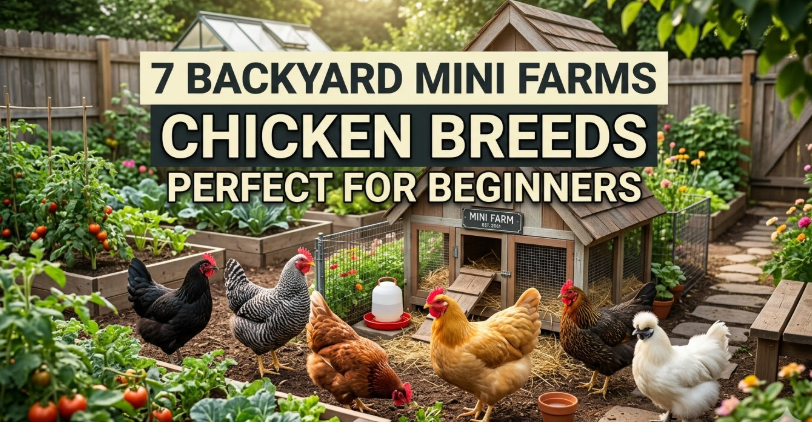
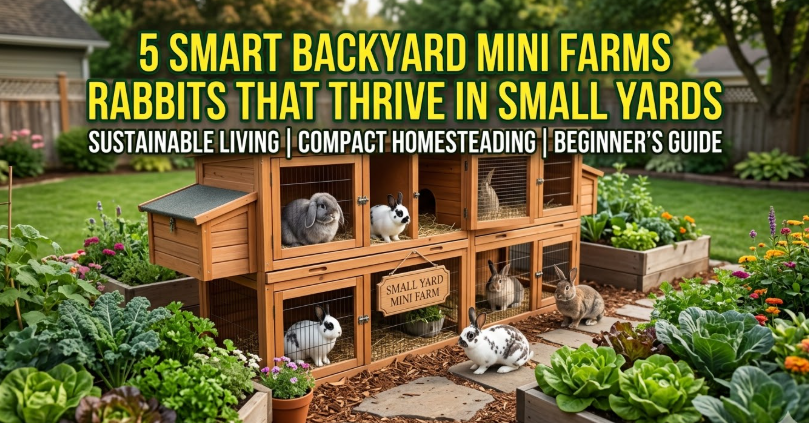
For most beginners, chickens or rabbits are a great place to start. They’re small, manageable and don’t require massive infrastructure to begin.
Mistake No. 2 — Constructing Shelter That Is Too Small (or Too Late)
A Cramped or Late Shelter Causes More Issues Than You Think
I was sure I could construct the coop “whenever I found the time.” I bought the chicks first. By week three they were outgrowing a cardboard box in my garage and I was panicking.
The coop I finally constructed was too small as well. When eight chickens were crammed into a space meant for four, there was constant pecking, stress and mess.
Space considerations to bear in mind:
| Animal | Minimum Indoor Space | Minimum Outdoor Run |
|---|---|---|
| Chicken | 4 sq ft per bird | 10 sq ft per bird |
| Rabbit | 12 sq ft per rabbit | 32 sq ft minimum |
| Meat rabbit colony | 2–3 sq ft per rabbit | 8–10 sq ft per rabbit |
| Miniature goat | 15–20 sq ft per goat | 200+ sq ft per goat |
| Duck | 6 sq ft per bird | 10–15 sq ft per bird |
Design your shelter before you bring animals home. Build 20% bigger than you think you need. You will thank yourself later.
Mistake No. 3 — Getting the Feed Schedule Completely Wrong
Overfeeding, Underfeeding, and the Wrong Type of Feed Are All Problems
Feed sounds simple. Buy a bag, pour it in a dish. Done.
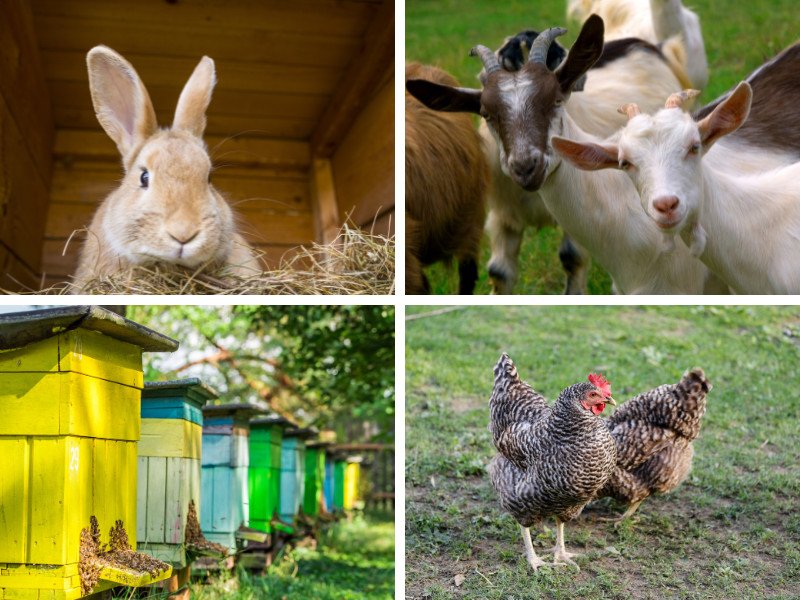
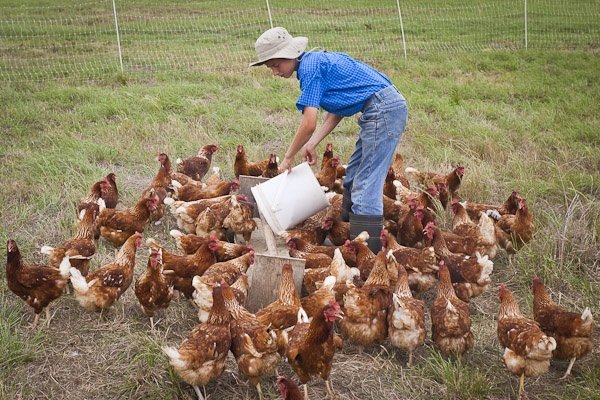
But it is nowhere near that easy. I overfed my chickens scratch grains, which made them overweight and caused them to lay fewer eggs. I stunted the growth of my young meat rabbits by feeding them the same pellets as adults because the protein percentage was incorrect.
Feed mistakes are one of the most common problems for backyard mini farms livestock — and completely avoidable too.
Basic feed guidelines by animal:
Once they reach laying age, around weeks 18–20, chickens require a complete layer feed (16%–18% protein). Prior to that, they require chick starter. Scratch grains are a treat, not a diet.
Unlimited timothy hay must be the main food for rabbits. Pellets are a supplement. You can start adding fresh greens in small amounts after 12 weeks of age.
Goats are browsers, not grazers. They need variety — browse, hay and mineral supplements. They must not be fed lawn grass clippings or moldy hay.
Ducks require a diet lower in niacin than chicken feed. They develop leg problems without added niacin. Feed an appropriate waterfowl feed or add brewer’s yeast to their diet.
Make sure you feed your animals at the same time every day. For most small livestock, twice a day is best. Dietary changes should always be introduced slowly, over one to two weeks.
Mistake No. 4 — Neglecting Preventive Veterinary Care
Just Because They “Look Fine” Doesn’t Mean They Are Fine
I passed on the vet because my animals seemed healthy. I also skipped vaccines because my small backyard operation seemed low risk.
That kind of thinking got me a sick goat kid and a $400 emergency vet bill that would have been avoided by a $15 annual vaccination.
There is no getting around preventive care for a backyard mini farms livestock operation. It is an essential expense of animal husbandry.
Basic preventive care checklist:
- Chickens: Marek’s disease vaccination (usually done at hatchery). Check every month for respiratory illness and mites.
- Rabbits: Consider vaccinating for rabbit hemorrhagic disease (RHD) if available in your area. Examine teeth, nails and weight every three months.
- Goats: CDT vaccine annually. Deworm according to FAMACHA scoring, not automatically. Trim hooves every 6–8 weeks.
- Ducks: Fewer vaccinations are needed, but be on the lookout for bumblefoot and respiratory infections.
Pre-arrange a vet who specializes in small animals or livestock before you need one. Don’t wait for something to go wrong.
Mistake No. 5 — Putting Up Fencing That Wouldn’t Stop a Determined Toddler
Poor Fencing Is the Number One Reason Small Farms Lose Livestock
In the first month, my goats escaped three times. My chickens were getting into the garden every day. One afternoon I noticed a neighbor’s dog inside the rabbit run.
It all boiled down to inexpensive, shoddily installed fencing.
What I learned about fencing:
The fencing you use depends on the animals. Goats require taller fencing (at least 4.5 feet) with no gaps a hoof can catch in. Chickens are best contained with hardware cloth, not chicken wire — the latter keeps chickens in but does not keep predators out. Rabbits require fencing placed underground at least 12 inches to keep them from digging under.
Fencing comparison for backyard livestock:
| Fencing Type | Best For | Cost per 50 ft | Predator Protection |
|---|---|---|---|
| Chicken wire | Containing chickens | $15–25 | Low |
| Hardware cloth (1/2″) | Rabbits, chickens | $40–70 | High |
| Welded wire (2×4″) | Goats, ducks | $30–55 | Medium |
| Electric wire strand | Pigs, cattle | $20–40 | High |
| Wood + hardware cloth combo | All small livestock | $80–130 | Very high |
Spend more on fencing upfront. You will pay much more to fix it after a predator attack.
Mistake No. 6 — Cramming Too Many Animals Into Too Little Space
Overcrowding Is the Quickest Path to Disease, Stress and Poor Production
There is a constant temptation to add one more chicken or another rabbit hutch. I fell for this every single time in my first year.
Overcrowding in backyard mini farms livestock sets off a chain of issues. Concentrated waste increases ammonia levels. Food and water become scarce, leading to stress as animals compete for them. Parasites and disease spread faster. Egg production drops. Animals turn hostile toward one another.
Signs your animals are overcrowded:
- Feather pecking among chickens
- Discharge from eyes or respiratory noises in any animal
- Constant fighting over the feeder
- Persistent smell even after cleaning
- No or slow weight gain in meat animals
More space is not always the solution. At times the solution is reducing the number of animals. Six chickens that are thriving are better than twelve that aren’t.
The best practice is to measure your available space first, then use that information to figure out how many animals it can support. Start from your land and work backward instead of forward from how many animals you want.
Mistake No. 7 — Treating Water as an Afterthought
Clean, Fresh Water Is Not a Luxury — It’s Life
I checked food daily. I monitored the animals constantly. I refilled the water when I saw it was low.
The problem was, I hadn’t noticed how dirty those waterers were getting between cleanings. Inside the containers, algae, feces and debris were accumulating. The animals drank that contaminated water every single day.
In any backyard mini farms livestock setup, dirty water is a vector for disease. Contaminated water supplies are linked to coccidiosis in chickens, leptospirosis in multiple species, and increased worm load.
The water care basics I now follow religiously:
Waterers are scrubbed with a brush and rinsed with a weak bleach solution (1 tablespoon per gallon of water) twice weekly. Every day in summer they get emptied and replaced.
Frozen water is a crisis in winter. If you live somewhere that gets below freezing, a heated waterer or a heated base for metal waterers is not an optional purchase.
Daily water needs vary by type of animal:
| Animal | Daily Water Need | Notes |
|---|---|---|
| Laying hen | 0.5–1 cup | More in heat |
| Meat rabbit | 4–8 oz | More during lactation |
| Miniature goat | 0.5–3 gallons | More while lactating |
| Duck | 1 quart minimum | Need to submerge bill |
Automate water if you can. Nipple waterers and float-valve systems are inexpensive and really reduce the daily workload.
Mistake No. 8 — Not Keeping Any Records and Flying Blind
You Cannot Manage What You Do Not Measure
This was the one that took me the longest to take seriously. I was so busy with the physical work of keeping animals that I never took the time to write anything down.
Then one of my hens began to lose weight. I didn’t know when it started, what she had eaten recently, when she’d last been treated for parasites, or what her normal weight was. The vet had nothing to go on.
What a basic livestock record needs to track:
A cheap notebook or free spreadsheet works totally fine. You need no special software to do this.
For each animal or group, make a note of the following:
- Date of birth or acquisition
- Breed and species
- Weight (monthly for small animals, quarterly for goats)
- Feed type and amount
- Vaccinations and deworming dates
- Signs of illness, treatments and outcomes
- Egg production counts (weekly)
- Any unusual behavior
Records are a help at tax time even if you sell eggs, meat or fiber. They assist when you rotate pasture or choose which animals to breed. And they’re incredibly helpful when something goes wrong and you need a timeline.
If you’re looking for more practical guidance on getting your setup right from the start, Backyard Mini Farms is a great resource for small-scale homesteaders at every level.
The Real Cost of These Mistakes (And How to Budget More Wisely)
The average beginner underestimates startup costs for backyard mini farms livestock by 40–60%.
They plan for the animals and feed, but not for emergency veterinarian trips, fence replacements, a second coop they had to build because the first one wasn’t big enough, or losses related to disease brought on by overcrowding.
For a small chicken and rabbit operation (8 chickens, 4 rabbits), a realistic first-year budget might look like this:
| Budget Item | If Done Right | If Done Wrong |
|---|---|---|
| Shelter and fencing | $400–700 | $200 (then $600 to redo) |
| Feed for 12 months | $350–500 | $350–500 |
| Vet and preventive care | $80–150 | $400–800 (emergency) |
| Water systems | $30–60 | $0 (then disease costs) |
| Records and supplies | $20–40 | $0 (then guesswork losses) |
| Total | ~$880–1,450 | ~$1,550–2,300+ |
In the long run, doing things right is cheaper. That pattern applies to all eight of these mistakes.
How Not to Be Overwhelmed on Your Backyard Mini Farm
Choose One Species and Do It Well
The first thing I wish someone had told me: do not attempt chickens, rabbits, goats and ducks all in your first year.
Pick one species. Get good at it. Familiarize yourself with its rhythms, its health signals, its seasonal needs. Then add a second species in year two, if you want.
Backyard mini farms livestock keeping rewards patience and observation far more than ambition and speed.
Connect with Other Small-Scale Farmers
Find a local farming group, participate in a county extension program or join an online community of backyard farmers. The most efficient way to sidestep these errors is learning from those who have already committed them.
County extension offices across the United States offer free or very cheap resources specifically for small-scale livestock keepers. Beginners are wildly underutilizing them.
Build Systems, Not Just Routines
A routine is something you do. A system is something that happens whether or not you are fully awake and motivated.
Set up automatic waterers. Use a printed feeding log on the coop wall. Schedule your vet appointments on a calendar app. These small systems make sure your animals don’t suffer on the days you’re tired, busy or simply forgetful.
Frequently Asked Questions
What is the easiest backyard mini farms livestock to get started with?
Chickens are the best beginner option for most climates and property sizes. They need little shelter, are inexpensive and begin producing eggs quickly. If you have limited space, meat rabbits are a close second.
How much land do I need to raise backyard livestock?
It depends on the animal. Chickens can do great in a well-built run on a quarter acre or less. Miniature goats require more space — a quarter acre of pasture for every two goats is one minimum recommendation. Make sure to review local zoning laws before adding any livestock.
Are backyard mini farms livestock legal in the city or suburbs?
Many cities permit chickens (often hens only, no roosters). Fewer permit goats, pigs or ducks. Pet rabbits are legal nearly everywhere. Always verify your local municipality’s ordinances before buying animals.
How can I tell if my livestock is ill?
Signs of illness in livestock include lethargy, lack of appetite, discharge from eyes or nose, difficulty breathing, loose or bloody stool, extreme weight loss and abnormal behavior. Any of these are worthy of a second look, and maybe a call to your vet.
How often do I need to clean the coop or pen?
Spot-clean daily by removing obvious waste and wet bedding. Do a full bedding change and scrub-down at least once a month, or more frequently in humid weather. A clean pen drastically lowers disease and parasite pressure.
What can I grow in my backyard to supplement livestock feed?
Comfrey, sunflowers, kale, Swiss chard and pumpkins are all easy to grow and loved by chickens, rabbits and goats. Feeding even a small amount of supplemental food reduces feed costs and improves animal health.
Do I need a vet for backyard chickens?
Yes, ideally. Chickens are widely regarded as relatively low-maintenance farm animals, but they can get respiratory diseases, parasites, become egg-bound or develop infections. Finding a vet who knows how to treat poultry before an emergency hits will save you money and stress down the line.
In Closing — What These Mistakes Taught Me
Every mistake on this list helped make me a better farmer.
Not because suffering is a good teacher in itself. But because when something goes wrong and you have to fix it, you understand the system so much better than any book or YouTube video could ever teach you.
Keeping livestock on a backyard mini farm is one of the most fulfilling things I have ever done. The connection to the animals, the food you grow yourself, the slow rhythms of daily care — none of that disappears because it is difficult.
What changes is your preparedness for when it gets difficult.
Start small. Build right the first time. Keep your water clean. Get a veterinarian before you need one. Write things down.
These are not glamorous lessons. But they are the ones that will matter most when you’re standing in a muddy pen at 7 in the morning trying to figure out what went wrong.
Learn from my mistakes. Your animals will appreciate it.