
Meta Description: Backyard mini farms ideas can transform even a tiny outdoor space into a thriving food garden. Discover 7 powerful, beginner-friendly ideas that changed my garden forever.
Backyard Mini Farms Ideas: 7 Tips That Will Change Your Garden
I never imagined my little backyard could feed my family. It appeared to be merely a stretch of grass — nothing unusual. However, as soon as I began to search for backyard mini farms ideas, my whole life changed.
Within a single growing season, I was harvesting tomatoes, herbs, leafy greens, and even eggs from my backyard. It wasn’t magic. It was just the right ideas in practice.
No matter if you have a huge yard or a small balcony, these mini farm ideas are practical, fun, and surprisingly easy to get started. Allow me to take you through what I did — and how you can too.
What Is a Backyard Mini Farm, Exactly?
A backyard mini farm is just a small food-growing setup in your yard. It does not have to resemble a traditional farm. No barns, no tractors, and no acres.
It can be anything from a couple of raised garden beds to some vertical planters on a fence, or a small chicken coop in the corner. The idea is to grow food — even a small amount of it — at home.
Mini farms are booming at the moment. Families are seeking more fresh, chemical-free food. More people want to slash their grocery bills. And honestly? Gardening just feels good.
Idea #1 — Raised Garden Beds: The Bedrock of My Mini Farm
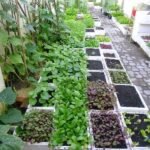
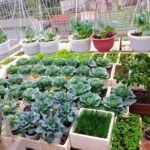
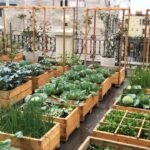
The first thing I built was a series of raised garden beds. And I’d still do it again in a heartbeat.
Raised beds are wooden (or metal) frames filled with quality soil that you set atop your own ground. You have complete control over what your plants are grown in. That means healthier soil, fewer weeds, and much bigger harvests.
Why Raised Beds Work So Well
They heat up more quickly in spring too. That provides you with an extended growing season. Because foot traffic does not compact the soil, roots are free to grow. And because you’re filling the bed yourself, you can bypass whatever miserable soil your yard has.
I began with two 4×8-foot beds. They provided me with so many tomatoes, peppers, and basil in a single season that I couldn’t eat them all myself.
Here is what I planted in my first raised beds:
| Crop | Weeks to Harvest | Difficulty |
|---|---|---|
| Lettuce | 4–6 weeks | Easy |
| Radishes | 3–4 weeks | Very Easy |
| Tomatoes | 10–12 weeks | Medium |
| Basil | 4–5 weeks | Easy |
| Carrots | 10–12 weeks | Medium |
Best Soil Mix for Raised Beds
Don’t use plain garden soil. It compacts badly. Instead, mix:
- 60% topsoil
- 30% compost
- 10% perlite or coarse sand
This keeps the soil loose, rich, and well-drained. Your plants will thank you.
Idea #2 — Vertical Gardening: Growing Up, Not Out
Space was always my greatest concern. My yard is small. But vertical gardening solved that problem entirely.
Vertical gardening means growing plants upward — on walls, fences, trellises, or tower planters. It is one of the most space-efficient backyard mini farms ideas out there.
What I Grew Vertically
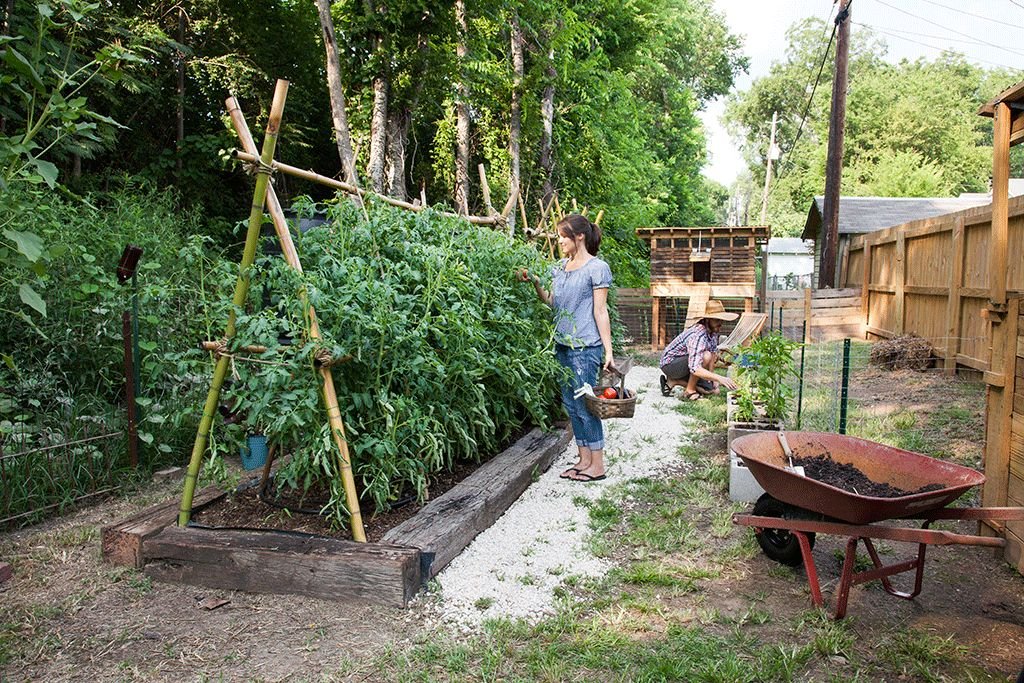
I attached a simple wooden trellis to my fence and grew:
- Cucumbers
- Green beans
- Peas
- Cherry tomatoes
All of these love to climb upward. They actually mature better vertically because air is able to move around them, which reduces disease.
I also bought a vertical pocket planter — basically a fabric wall with pockets — and planted it with strawberries and herbs. It currently hangs by my back door and provides fresh herbs every single day.
Best Vegetables for Vertical Growing
Not every plant climbs. Select types that want to vine naturally or that perform well in small containers:
- Cucumbers — require a trellis, but thrive with one
- Pole beans — quick-growing climbers
- Nasturtiums — pretty and edible flowers that trail nicely
- Herbs — thyme, oregano, and parsley do well in pockets
Vertical gardening literally doubled my growing space without adding a single square foot to my yard.
Idea #3 — A Chicken Coop: Free Eggs Every Morning
This one shocked me the most. I always thought chickens were for people with big farms. I was completely wrong.
With a bit of planning, you can easily keep 3–4 hens in a relatively small backyard coop. Backyard chickens are now allowed in many cities and suburbs. Check your local ordinances first, but it is definitely something worth exploring.
What Chickens Actually Need
Chickens are simpler than most people think. Here’s the basic breakdown:
| Need | Requirement |
|---|---|
| Space (indoor coop) | 4 sq ft per hen |
| Space (outdoor run) | 10 sq ft per hen |
| Daily feed | About 1/4 pound per hen |
| Water | Fresh water changed daily |
| Nesting box | 1 box per 3–4 hens |
My three hens give me approximately 2 eggs a day. That’s close to a dozen eggs each week — entirely free once the initial setup is done.
Best Chicken Breeds for Backyards
- Rhode Island Red — hardy and great egg producers
- Plymouth Rock — calm and gentle
- Buff Orpington — friendly, great with children
- Sussex — cold-hardy and reliable layers
Chickens also eat bugs and kitchen scraps. They’re like tiny garbage disposals that reward you with eggs.
Idea #4 — Composting: Turning Scraps Into Garden Gold
I once tossed vegetable peels, coffee grounds, and eggshells into the trash without a second thought. Now I regard them as pure gold.
Composting means allowing organic waste to decompose into dark, fertile fertilizer. As far as backyard mini farms ideas go, it’s one of the best because it costs you nothing and greatly improves your soil.
How I Set Up My Compost System
I have a simple two-bin setup in a corner of my yard. One bin is “active” — I’m adding to it. The other bin is “resting” — it’s completing the breakdown process.
Every time I cook, I save:
- Fruit and vegetable scraps
- Coffee grounds and paper filters
- Eggshells
- Cardboard torn into small pieces
- Dry leaves from the yard
What NOT to compost:
- Meat or fish
- Dairy products
- Oily foods
- Pet waste
A healthy compost pile requires a balance of “greens” (wet, nitrogen-rich materials) and “browns” (dry, carbon-rich materials). Aim for a roughly 3:1 ratio of browns to greens.
The Payoff Is Real
In 2–3 months, the compost turns into dark, crumbly, beautiful fertilizer. I incorporate it into my raised beds and use it as a top-dressing for established plants. My plants grew noticeably bigger and healthier once I started composting regularly.
Idea #5 — Herb Spiral: A Beautiful and Efficient Space-Saver
The first time I saw this idea, it blew my mind. An herb spiral is a raised, spiral-shaped garden bed that creates multiple microclimates in a tiny footprint.
It has the spiral form of a snail shell, ascending from the ground up. The top of the spiral is sunnier and has better drainage. The bottom stays moister and shadier. That allows you to grow herbs with vastly different requirements — all in one small structure.
Building My Herb Spiral
I built mine using reclaimed bricks. It is about 6 feet in diameter and rises about 3 feet tall at the center. The whole thing took one weekend to build.
What I planted and where:
| Zone | Conditions | Herbs |
|---|---|---|
| Top (center) | Dry, full sun | Rosemary, thyme, oregano |
| Middle | Moderate | Sage, basil, chives |
| Bottom | Moist, part shade | Parsley, cilantro, mint |
The spiral shape is also beautiful. Visitors always comment on it. It is functional AND serves as a stunning centrepiece in the garden.
Why Every Mini Farm Should Have Herbs
Herbs are:
- Fast-growing
- High-value (fresh herbs are not cheap at the store)
- Useful in cooking, teas, and even natural remedies
- Fantastic for attracting pollinators like bees and butterflies
Mint alone has saved me a ton of money. I use it in teas, cocktails, and cooking nearly every day.
Idea #6 — Rainwater Harvesting: Free Water for Your Garden
Water can be a significant expense on a mini farm — particularly in dry summers. Rainwater harvesting changed all of that for me completely.
The concept is simple. You catch rain from your roof through the gutters and store it in a barrel or tank. You then use that stored water to irrigate your garden.
My Simple Rain Barrel Setup
I purchased a 55-gallon rain barrel for around $60 and attached it to one of my downspouts. It fills up after a single good rainstorm.
With a drip irrigation hose connected to the barrel, I can water my raised beds slowly and efficiently — without using a single drop of city water.
The Numbers Make Sense
A 1,000-square-foot roof can collect around 600 gallons of water from just 1 inch of rain. Even a small barrel makes a big difference.
Benefits of rainwater harvesting:
- Reduces your water bill
- Rainwater is naturally soft and slightly acidic — plants love it
- Reduces stormwater runoff in your neighborhood
- Completely free water source
According to the U.S. Environmental Protection Agency, rain barrels can save homeowners up to 1,300 gallons of water during peak summer months. Be sure to check local laws first, as some states have regulations on rainwater collection. But in most places it is perfectly legal and even encouraged.
Idea #7 — Companion Planting: Getting Plants to Work Together
This was the least “visible” change I made — but one of the most impactful. Companion planting is the practice of placing plants next to each other so they help one another grow.
Some plants repel pests, attract beneficial insects, fix nitrogen in the soil, or provide shade for smaller plants. When you learn the right way to pair them, your mini farm turns into a self-sustaining ecosystem.
The Classic “Three Sisters” Method
Native American farmers discovered one of the greatest companion planting systems: corn, beans, and squash planted together.
- Corn provides a tall stalk for beans to climb
- Beans fix nitrogen into the soil, feeding the corn and squash
- Squash spreads along the ground, shading out weeds and keeping soil moist
It’s elegant, it’s ancient, and it works like a charm.
My Favorite Companion Planting Combos
| Plant | Best Companion | Why It Works |
|---|---|---|
| Tomatoes | Basil | Basil repels aphids and whiteflies |
| Carrots | Onions | Each repels the other’s main pests |
| Cabbage | Dill | Dill attracts wasps that eat cabbage worms |
| Cucumbers | Nasturtiums | Nasturtiums repel cucumber beetles |
| Roses | Garlic | Garlic deters aphids |
My pest problems dropped dramatically once I started companion planting. I gave up using any type of pesticide altogether.
Bringing It All Together: What My Backyard Mini Farm Looks Like Now
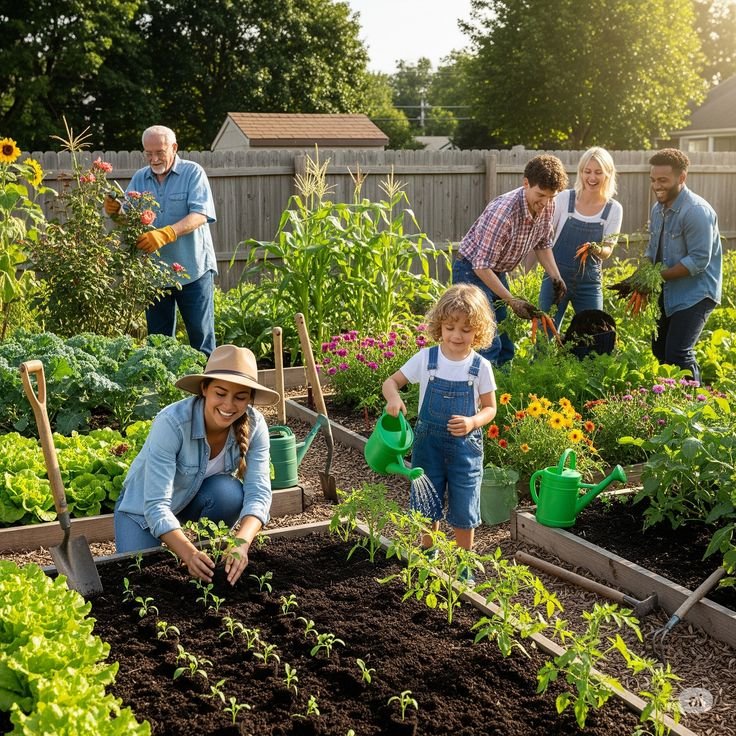
When I walk into my backyard today, I see:
- Two 4×8 raised beds overflowing with vegetables
- A vertical trellis covered in cucumbers and beans
- A herb spiral packed with fragrant, useful herbs
- A tidy chicken coop with three happy hens
- A two-bin compost system churning out free fertilizer
- A rain barrel keeping everything watered
- Plants growing together in carefully planned combinations
It didn’t happen overnight. I added one idea at a time. First the raised beds. Then the chickens. Then composting. Each step built on the last.
All in all, it cost about $400–$600 to set everything up. I saved well over that in grocery bills alone within the first year.
Common Mistakes to Avoid When Starting a Mini Farm
I made plenty of mistakes when I started. Here are the big ones to skip:
Trying to do everything at once. Pick one idea. Get good at it. Then add the next.
Using bad soil. Cheap soil leads to weak plants. Invest in good compost and topsoil upfront.
Overwatering. Most beginner gardeners water too much. Let the soil dry slightly between waterings.
Ignoring sunlight. Most vegetables need 6–8 hours of direct sunlight daily. Know your yard’s sun patterns before you plant.
Planting the wrong things. Start with easy crops: lettuce, radishes, herbs, and cherry tomatoes. Leave watermelons and corn for year two.
How to Start Your Own Backyard Mini Farm This Weekend
You don’t need a huge budget or a big yard. Here’s a simple three-step plan to get started right now:
Step 1: Walk your yard and pick the sunniest spot. That’s where your first raised bed goes.
Step 2: Buy or build one 4×8 raised bed frame. Fill it with a good soil mix.
Step 3: Plant three easy crops — lettuce, radishes, and basil. Water them in and see what happens.
That’s it. You’ve started your backyard mini farm. Every other idea on this list can come later, one step at a time.
Your Questions About Backyard Mini Farms Ideas, Answered
How much space do I need for a backyard mini farm? Even a 4×8 foot raised bed is sufficient to get started. Vertical gardening lets you grow even more in tight spaces. Many successful mini farms exist on apartment balconies and in small suburban yards.
How much does it cost to start a backyard mini farm? A simple setup — one raised bed, a bag of soil, and seeds — might cost as little as $50–$100. A complete setup with chickens, composting, and rainwater harvesting typically costs $400–$700 altogether. Much of that investment pays back within the first growing season.
Do I need experience to start a mini farm? No. Mini farms are great for beginners. Start with simple crops like lettuce, herbs, and radishes. These grow quickly, tolerate mistakes, and help build your confidence for more.
Can I keep backyard chickens in my city? Many cities permit 2–6 backyard hens (roosters are typically prohibited because of noise). Check your local city ordinances or municipal website to verify the rules in your area.
What vegetables grow best in a small backyard? Lettuce, spinach, radishes, herbs, cherry tomatoes, cucumbers, green beans, and peppers all do well in small spaces. They’re productive, fast-growing, and beginner-friendly.
Is composting difficult to maintain? Not at all. A simple pile or two-bin system requires less than 10 minutes a week to manage. Just add scraps, stir occasionally, and let nature do its work.
How long before my mini farm saves me money? Most people break even in the first season, particularly if they focus on high-value crops like herbs, tomatoes, and leafy greens. Chickens typically recoup their setup cost within 6–12 months.
The Real Reward Goes Beyond Money
Sure, I do save on grocery shopping. And yes, fresh food tastes better than anything from a store. But the real reward is more difficult to measure.
I spend more time outdoors. My kids actually want to help in the garden. I feel more connected to where my food comes from. There’s a deep satisfaction in eating something you grew yourself that no grocery run will ever match.
These backyard mini farms ideas didn’t just change my garden. They changed how I think about food, nature, and what I want my home to feel like.
Your yard is waiting. Pick one idea from this list, get started this weekend, and see where it takes you.
Have questions about starting your own mini farm? Drop them in the comments below — happy to help you get growing!