
8 Powerful Backyard Mini Farms Productivity Hacks
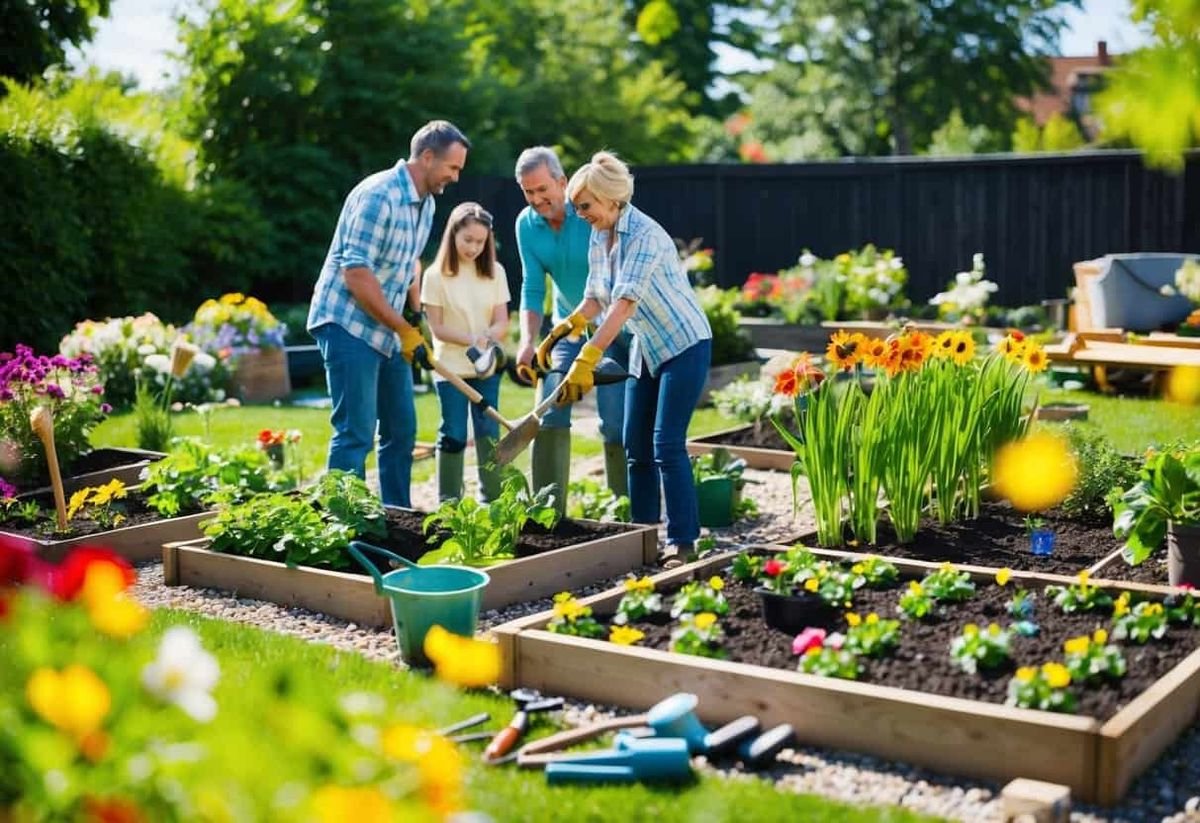
Backyard mini farming isn’t just a hobby anymore—it’s a practical lifestyle shift. Whether you’re working with a tiny urban plot or a modest suburban yard, maximizing productivity is what separates a struggling garden from a thriving mini farm.
But productivity in a backyard setting doesn’t mean working harder—it means working smarter. Over time, experienced growers discover that small adjustments in layout, timing, and system design can double (or even triple) output without increasing effort.
This guide walks you through 8 powerful, field-tested productivity hacks that can transform your backyard mini farm into a highly efficient, low-waste, high-yield system.
🌱 Hack #1: Use Vertical Growing to Multiply Space
One of the biggest limitations in backyard farming is space. The easiest solution? Stop thinking horizontally.
Vertical gardening allows you to grow upward instead of outward, instantly increasing your planting area.
Best Crops for Vertical Growth
| Crop Type | Support Needed | Yield Benefit |
|---|---|---|
| Tomatoes | Trellis / cages | High |
| Cucumbers | Netting / trellis | Very High |
| Beans | Poles / strings | High |
| Peas | Mesh support | Medium |
| Strawberries | Vertical towers | Medium |
Key Tips:
- Install trellises on walls or fences
- Use hanging baskets for herbs
- Try stackable planters
👉 Result: Up to 3x more production per square meter
💧 Hack #2: Install a Drip Irrigation System
Watering manually is not only time-consuming—it’s inefficient.
A drip irrigation system delivers water directly to plant roots, minimizing waste and maximizing absorption.
Manual vs Drip Irrigation Comparison
| Factor | Manual Watering | Drip Irrigation |
|---|---|---|
| Water Waste | High | Low |
| Time Required | High | Very Low |
| Plant Health | Inconsistent | Stable |
| Weed Growth | More | Less |
Why It Works:
- Reduces evaporation
- Prevents overwatering
- Keeps soil moisture consistent
👉 Result: 30–50% water savings + healthier plants
🌾 Hack #3: Practice Succession Planting
Most beginners plant everything at once—and harvest everything at once. That leads to waste and downtime.
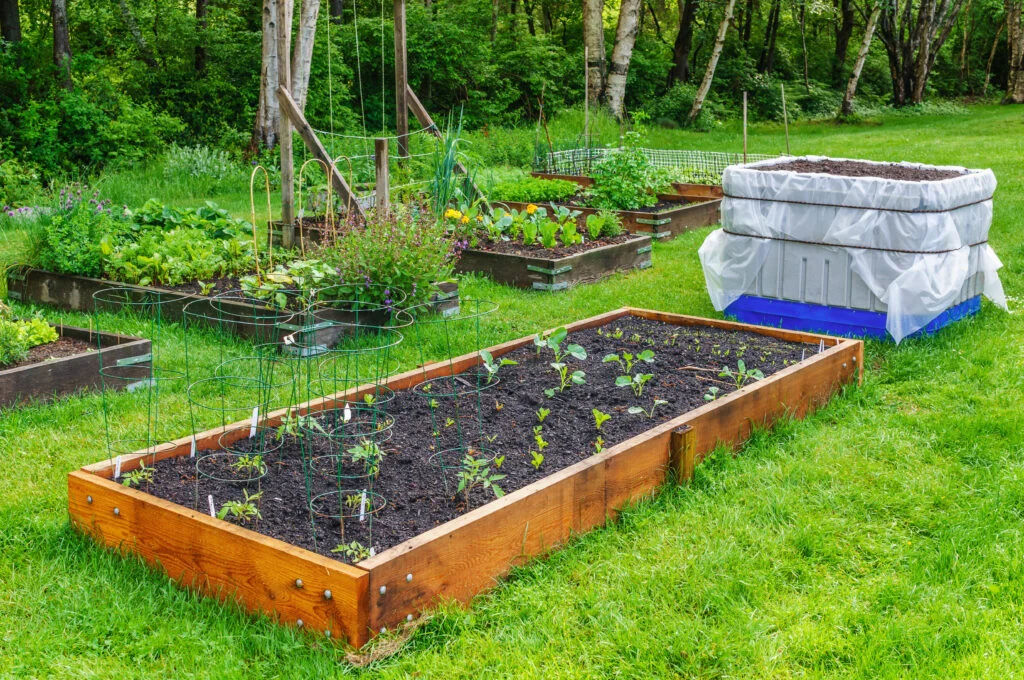
Succession planting means planting crops in intervals so you always have something growing.
Example Schedule
| Week | Crop Planted |
|---|---|
| 1 | Lettuce Batch 1 |
| 3 | Lettuce Batch 2 |
| 5 | Lettuce Batch 3 |
Benefits:
- Continuous harvest
- Better space usage
- Reduced food waste
👉 Result: Steady supply instead of overwhelming surplus
🐔 Hack #4: Integrate Small Livestock Smartly
If your space allows, adding small livestock can dramatically boost productivity.
Best Backyard Animals
| Animal | Benefits | Space Needed |
|---|---|---|
| Chickens | Eggs + manure | Low |
| Rabbits | Meat + fast breeding | Very Low |
| Quail | Eggs + minimal noise | Very Low |
Smart Integration Tips:
- Use chicken manure for compost
- Rotate animals across areas to fertilize soil
- Keep systems clean to avoid odor
👉 Result: Free fertilizer + additional food source
🌿 Hack #5: Compost Everything (Zero Waste System)
A productive mini farm wastes nothing.
Kitchen scraps, garden waste, and even cardboard can be turned into rich compost.
Compost Input Chart
| Material Type | Examples | Role |
|---|---|---|
| Green (Nitrogen) | Vegetable scraps | Speeds decay |
| Brown (Carbon) | Dry leaves, cardboard | Adds structure |
| Moisture | Water | Activates microbes |
Golden Rule:
Maintain a 2:1 ratio of brown to green materials.
👉 Result: Free fertilizer + improved soil health
🌞 Hack #6: Optimize Sunlight Zones
Not all parts of your backyard receive equal sunlight. Smart farmers map their yard and assign crops accordingly.
Sunlight Mapping Guide
| Sun Exposure | Best Crops |
|---|---|
| Full Sun | Tomatoes, peppers, cucumbers |
| Partial Sun | Spinach, lettuce |
| Shade | Mint, parsley |
How to Do It:
- Observe sunlight patterns for 2–3 days
- Divide yard into zones
- Match crops to zones
👉 Result: Higher yields with no extra effort
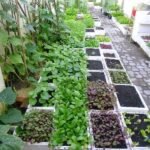
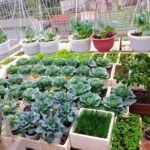
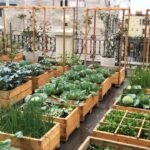
🧱 Hack #7: Use Raised Beds for Efficiency
Raised beds are one of the most powerful upgrades for a backyard farm.
Advantages of Raised Beds
| Feature | Benefit |
|---|---|
| Better drainage | Healthier roots |
| Soil control | Custom nutrient levels |
| Easier access | Less bending |
| Weed reduction | Less competition |
Ideal Dimensions:
- Width: 3–4 feet
- Height: 8–12 inches
👉 Result: Faster growth + easier maintenance
🔁 Hack #8: Grow High-Yield, Fast Crops
Not all crops are equal. Some produce more food in less time.
High Productivity Crops
| Crop | Harvest Time | Yield Level |
|---|---|---|
| Radishes | 25 days | High |
| Spinach | 30 days | Medium |
| Lettuce | 30–40 days | High |
| Green onions | 20–30 days | Very High |
Strategy:
- Focus on fast-growing crops
- Mix with a few long-term crops
👉 Result: More harvest cycles per year
📊 Productivity Boost Summary
| Hack | Productivity Gain |
|---|---|
| Vertical Growing | 2–3x space usage |
| Drip Irrigation | 30–50% efficiency |
| Succession Planting | Continuous yield |
| Livestock Integration | Multi-output farm |
| Composting | Free nutrients |
| Sunlight Optimization | Better growth |
| Raised Beds | Faster harvest |
| Fast Crops | More cycles/year |
🌟 Final Thoughts
Backyard mini farming isn’t about having more land—it’s about using what you have intelligently.
The most productive mini farms aren’t the biggest ones. They’re the ones that:
- Eliminate waste
- Stack functions
- Use time wisely
- Design systems, not just gardens
Start with just 2–3 of these hacks, and you’ll quickly notice a major improvement. Over time, you can combine all eight into a seamless system that practically runs itself.
❓ FAQs
1. What is the best hack for beginners?
Start with raised beds and drip irrigation. They provide the biggest impact with minimal complexity.
2. How much space do I need for a mini farm?
Even 10–20 square meters is enough if you use vertical growing and smart planning.
3. Is backyard farming expensive to start?
Not necessarily. You can begin with:
- Recycled containers
- DIY compost
- Basic seeds
Costs increase only if you scale up.
4. How do I avoid pests naturally?
Use:
- Companion planting
- Neem oil spray
- Proper spacing
Healthy plants are naturally more resistant.
5. Can I farm year-round in a backyard?
Yes, with:
- Seasonal crop rotation
- Shade nets in summer
- Simple covers in winter
6. How long before I see results?
Fast crops like radishes and greens can be harvested in 3–5 weeks, while a fully optimized system develops over a few months.