
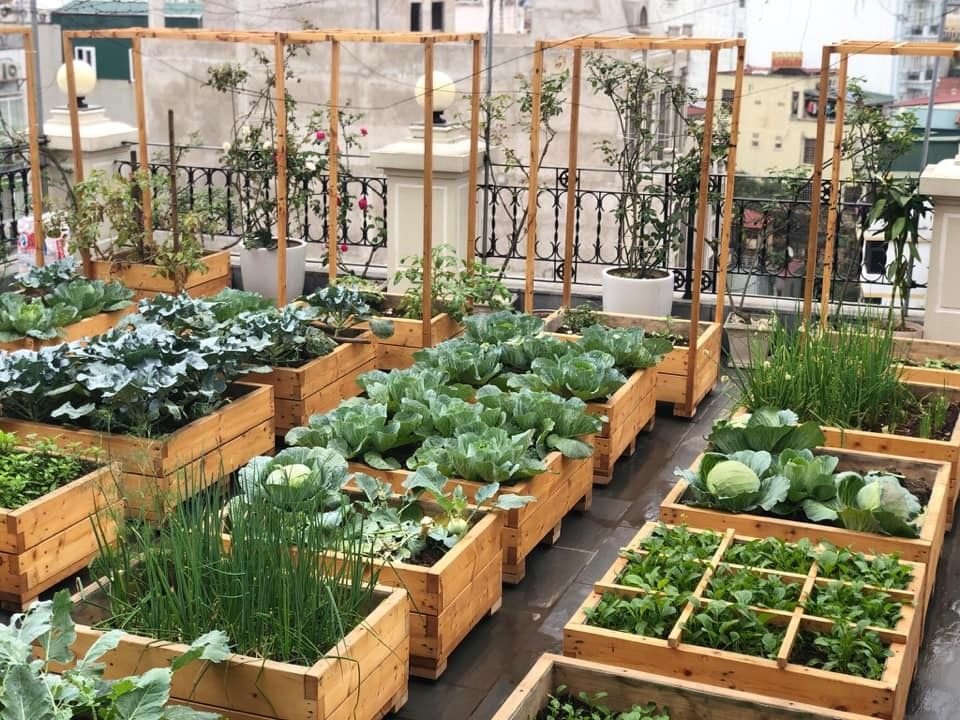
Last summer, I pulled my first zucchini out of a bed that had given me almost nothing the year before. Same seeds. Same spot. Totally different result. The only thing that changed was how I managed the growing conditions — and honestly, most of what I changed was embarrassingly simple.
If you’ve been growing vegetables in your backyard and wondering why your neighbor’s raised beds look like a produce aisle while yours look like a sad science experiment, this is for you. I’ve been gardening in a small suburban backyard for going on six years now, and I’ve made almost every mistake you can make. What I’m sharing here isn’t textbook theory — it’s what actually worked after a lot of trial, error, and dirt under my fingernails.
1. Stop Treating Your Soil Like Dirt 💡
I know that sounds obvious, but hear me out. My first two seasons, I literally just dug holes and stuck plants in. The soil in my yard was heavy clay — good for nothing but making pottery. Yields were pathetic.
The single biggest shift I made was treating the soil like a living ecosystem. I started layering in compost (homemade from kitchen scraps and yard waste), coarse sand for drainage, and aged wood chips on top as mulch. Within one season, the texture changed completely — fluffy, dark, and full of earthworms.
A quick test you can do right now: grab a handful of your soil and squeeze it. If it stays clumped and wet for too long, you’ve got drainage issues. If it crumbles like powder, it’s too sandy and dry. You want it to clump slightly, then break apart easily.
Soil amendment cheat sheet:
| Soil Problem | What to Add |
|---|---|
| Too dense/clay | Compost + coarse sand |
| Too sandy/dry | Compost + coconut coir |
| Low nutrients | Aged manure or worm castings |
| Wrong pH | Lime (raise) or sulfur (lower) |
Get a basic soil test kit — I use Luster Leaf’s Rapitest — before planting. It’s $15 and tells you pH, nitrogen, phosphorus, and potassium. Saved me a ton of guessing.
2. Sun Mapping Is Not Optional
I planted tomatoes in my favorite corner of the yard two years in a row. They sulked. Barely grew. Finally, I walked around my yard every two hours on a sunny day in spring and actually tracked which spots got full sun versus partial shade. Turns out my “perfect tomato spot” only got about 4 hours of direct sun. Tomatoes need 6–8 minimum.
Spend one Saturday doing a proper sun map before you plant anything. You can use an app like Sun Seeker or just stick flags in the ground and photograph the shadows every couple of hours.
Move your heavy feeders — tomatoes, peppers, squash, cucumbers — to your sunniest beds. Save the shadier spots for lettuce, spinach, and herbs like cilantro, which actually prefer it cooler.
3. Raised Beds Changed Everything for Me
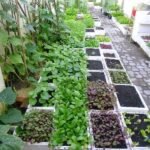
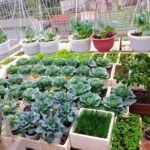
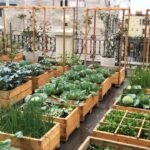
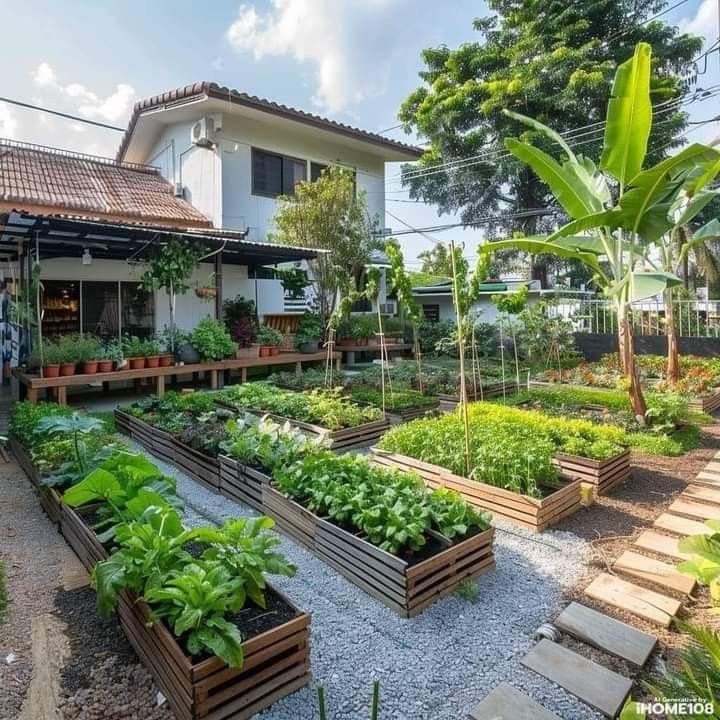
If you’re still gardening in the ground with lousy soil, I genuinely want you to try raised beds. I built three 4×8 foot cedar beds for about $60 each using basic lumber from the hardware store, and the difference was night and day.
You control everything in a raised bed — the soil, the drainage, the depth. You can also warm them up faster in spring by covering them with black plastic sheeting for a week or two before planting.
One thing I wish I’d read earlier: don’t build beds wider than 4 feet. You should be able to reach the center from either side without stepping in. Stepping on your soil compacts it, which undoes all the work you did fluffing it up.
If you’re working with limited space, check out these smart backyard vegetable bed layouts for small spaces — some of the arrangements here genuinely surprised me.
4. Companion Planting Isn’t Just Folklore
I used to think companion planting was a bit of garden mythology. Then I planted basil next to my tomatoes — partly because I read it was good, partly because I just wanted basil nearby for cooking. That season, my tomato plants had noticeably fewer aphids and the fruit set was better than any previous year.
Is it 100% proven science? Some of it is, some isn’t. But here are combinations that have worked consistently for me:
- Tomatoes + Basil — repels aphids and whiteflies
- Beans + Corn + Squash (Three Sisters) — corn gives beans support, squash shades the ground to retain moisture
- Carrots + Onions — carrot flies hate the onion smell, and vice versa
- Marigolds + almost everything — these little flowers are like a force field against pests
Avoid planting fennel near anything — it’s allelopathic, meaning it literally suppresses the growth of neighboring plants. Learned that one the hard way.
5. Water Deeply and Less Often
My neighbor used to run her sprinklers every single morning for 10 minutes. Her plants looked okay but never thrived. The issue? Shallow, frequent watering encourages roots to stay near the surface where they’re more vulnerable to heat and drought.
Deep, infrequent watering trains roots to go DOWN — into cooler, moister soil — which makes plants more resilient overall.
What works for me: I water 2–3 times a week, deeply enough that water penetrates 6–8 inches. In high summer, I water early morning (before 9 AM) to reduce evaporation.
The best investment I made was switching to drip irrigation lines with a timer. I use Rain Bird emitters connected to a basic Orbit timer — less than $80 total — and it’s reduced my water use by at least 30% while improving plant health. The plants stay dry on the foliage (which reduces fungal disease) and the roots get exactly what they need.
6. Feed Your Plants on a Schedule
Plants are like toddlers — they need consistent meals, not a big feast once in a while. I used to dump a bunch of fertilizer in at planting and then forget about it. The result was a big flush of growth early, then slow decline.
Now I follow a simple feeding rhythm:
- At planting: Work in slow-release granular fertilizer (I use Osmocote Plus)
- Every 2 weeks: Liquid feed with fish emulsion or diluted compost tea
- Mid-season boost: A dose of calcium-magnesium supplement helps prevent blossom end rot in tomatoes and peppers
One thing a lot of people skip: stop feeding heavy nitrogen mid-season once flowering starts. Nitrogen pushes leafy growth, which is great early on but competes with fruit development. Switch to a bloom-focused fertilizer with higher phosphorus when you see flower buds.
7. Succession Planting = Continuous Harvests
One of my biggest rookie mistakes was planting everything at once and then having a glut in July and nothing in September. Succession planting is the fix — staggering your plantings every 2–3 weeks so you’re harvesting something constantly rather than all at once.
This works especially well with:
- Lettuce and salad greens
- Radishes
- Beans
- Spinach
I keep a basic spreadsheet with planting dates and I set reminders on my phone. Nothing fancy, but it means I haven’t bought salad from a store since May.
For veggie options that grow fast and work well in cycles, I found this guide on easy backyard mini farm vegetables anyone can grow incredibly useful when I was starting out.
8. Pruning and Thinning — Yes, You Have to Do It
Zucchini are basically the golden retrievers of the vegetable world — enthusiastic to a fault and in need of management. If you let your squash, tomatoes, or peppers run wild, they put their energy into leaves and vines instead of fruit.
For indeterminate tomatoes (like most heirlooms), I remove suckers — the little shoots that grow in the “V” between the main stem and a branch. Left to grow, they become whole new vines that compete for energy. Removing them directs the plant’s effort to the fruits already set.
For zucchini and squash, I trim the oldest leaves once they start to yellow, which improves airflow and reduces mildew — a problem that killed half my squash patch two summers ago.
Common pruning mistakes I’ve made:
- Pruning too aggressively in heat (always prune in the morning or evening)
- Not sanitizing pruners between plants (spreads disease)
- Removing too much at once (stresses the plant)
9. Pest Management Without Going Nuclear
I tried insecticides once. Killed the pests and half the beneficial insects. My pollination suffered, my cucumber yield dropped, and I felt terrible about it. Now I use an integrated approach:
Physical barriers first: Row cover fabric (Agribon AG-19 is what I use) keeps moths and beetles off brassicas completely. You don’t even need pesticides if you’re covered.
Homemade sprays: A mix of water, a few drops of dish soap, and neem oil handles soft-bodied insects like aphids and spider mites without nuking the ecosystem. Spray in the evening, not full sun.
Attract beneficials: I keep a patch of dill, fennel (in its own isolated pot), and flowering herbs going specifically to attract ladybugs, lacewings, and parasitic wasps. These guys eat garden pests for breakfast.
Check under leaves. Pests almost always start there. If I catch aphids under a leaf early, I can knock them off with a jet of water. If I wait until the colony is visible from across the yard, I’ve got a real problem.
10. Mulching Is Non-Negotiable
I cannot overstate how much a 2–3 inch layer of mulch changed my garden. Straw, wood chips, shredded leaves — doesn’t matter much. What it does:
- Holds moisture (I water less)
- Regulates soil temperature
- Suppresses weeds (fewer hours of weeding!)
- Breaks down over time and feeds the soil
The one mistake: don’t pile mulch right against plant stems. Leave a couple of inches of clear space or you’ll trap moisture and invite rot and pests at the base of the plant.
11. Keep a Garden Journal
I know, I know. It sounds tedious. But after my third year of making the same mistakes and then forgetting what I’d tried, I started a simple notebook. Nothing fancy — just a date, what I planted, what I noticed, what I fed or sprayed, and any results.
Now when I notice my beans struggling in late July, I can flip back and see that exact thing happened two years ago, and I’d solved it with an extra watering and a magnesium foliar spray.
Apps like GrowVeg or even just Apple Notes work fine if you’re anti-paper. The key is consistency. Even five minutes of notes every week adds up to a powerful personal database by year three.
If you’re curious about building smarter habits for your garden overall, this article on easy backyard mini farm habits that grow more food lines up well with what I’m describing here.
12. Know When to Start Seeds vs. Buy Transplants
This one is practical and financial. Starting everything from seed sounds economical, but when you factor in grow lights, heating mats, seed-starting mix, and the time spent babying seedlings for 8 weeks indoors, some crops just aren’t worth starting yourself.
Start from seed: Squash, cucumbers, beans, peas, corn, carrots, beets, and most greens. These either grow fast or don’t transplant well, so direct sowing is better anyway.
Buy transplants: Tomatoes, peppers, eggplants, and most herbs unless you have a serious seed-starting setup. The transplants from a good local nursery are often stockier and healthier than what I can produce on my windowsill.
Seed starting timeline reference:
| Crop | Weeks Before Last Frost to Start Indoors |
|---|---|
| Tomatoes | 6–8 weeks |
| Peppers | 8–10 weeks |
| Eggplant | 8–10 weeks |
| Broccoli/Cabbage | 4–6 weeks |
| Basil | 4–6 weeks |
A heating mat (I use Vivosun’s basic model, about $25) makes a significant difference for pepper germination especially. Without heat, my pepper seeds used to take three weeks to sprout. With bottom heat, I get germination in 7–10 days.
Common Mistakes That Wrecked My Early Harvests
- Planting too early. One late frost can wipe out a week of work. Know your last frost date (use the Old Farmer’s Almanac website — it’s free and accurate).
- Overcrowding. Every seed packet has a spacing recommendation for a reason. I used to ignore it, cram plants in, and then wonder why everything was stunted and diseased.
- Watering in the evening. Wet leaves overnight = fungal problems. Always morning if possible.
- Ignoring crop rotation. Planting tomatoes in the same spot every year builds up disease in the soil. Rotate families every season.
- Giving up after a bad harvest. This might be the biggest one. Every experienced gardener I know has had seasons that were basically disasters. You learn more from a failed crop than from a perfect one.
There’s something genuinely satisfying about walking out your back door and picking dinner. The gap between a garden that produces a little and one that produces abundantly usually comes down to a handful of decisions made early in the season — the soil you build, the beds you design, the watering habits you establish.
None of these 12 things require a massive backyard or a big budget. Most of what made the biggest difference for me cost less than a bag of fertilizer.
If you want to go deeper on one of the most impactful elements — building the right soil foundation — this article on secret backyard soil hacks for bigger harvests is worth an hour of your time. It’s the stuff that actually changes results season over season.