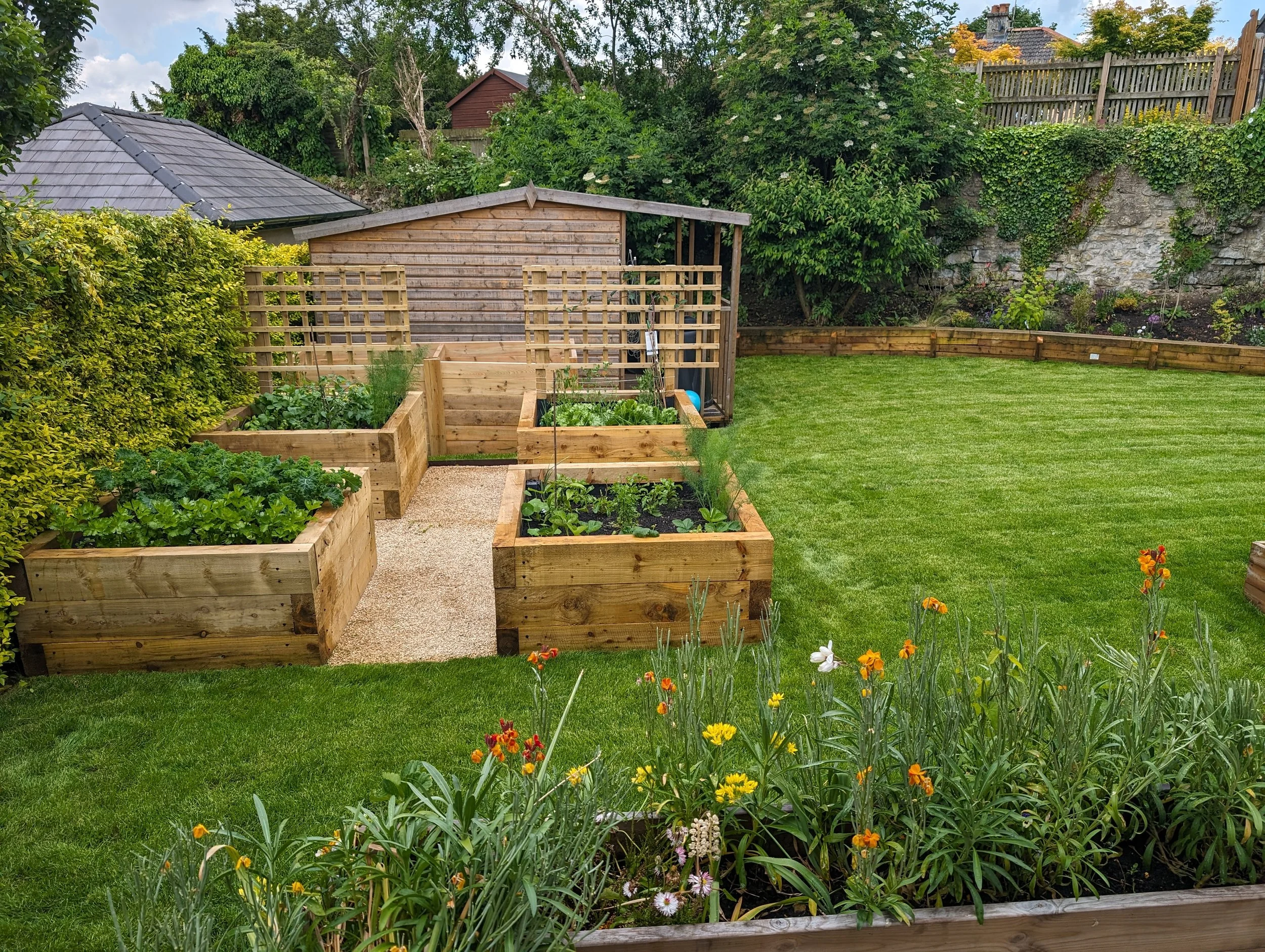






Meta Description: 5 Daily Routines for Backyard Mini Farms That Actually Work — time-saving, no-fuss, no-frills daily habits to help your mini farm stay productive, healthy, and thriving month after month.
Mini Farm Daily Routines That Work: 5 Smart Backyard Habits
It sounds exciting to grow your own food at home. But without a firm plan, it can become overwhelming very fast. That is where backyard mini farms daily routines help out.
You don’t need acres of land for a mini farm. Even a small backyard can yield fresh vegetables, herbs, eggs, and compost — if you know how to manage your little food-world well enough, every single day.
The secret isn’t working harder. It’s working smarter, with habits that fit into your actual life.
This guide takes you through five real daily routines that can help mini farmers get started. The common thread is that each one is built around saving time, eliminating guesswork, and keeping your plants and animals happy. Whether you’re a complete newbie or you already have a couple of raised beds, these routines will make your mini farm feel more like a way of life than work.
How Daily Routines Are the Backbone of a Successful Mini Farm
Most mini farms fail not due to bad soil or bad seeds. They fail because of inconsistency.
Plants need water at the proper timing. Chickens need to be fed and checked every day. Compost needs turning. Pests need catching early. These tasks, done regularly, are manageable. Do them haphazardly, and they accumulate and become a problem.
Getting through all of this on a daily basis becomes muscle memory. You stop thinking about what must be accomplished and simply do it. Those little daily actions accumulate over years into major outcomes — healthier plants, more eggs, better soil, and much less stress.
Your routine is the operating system of your mini farm. Once it runs smoothly in the background, everything else becomes easier.
Routine #1 — The Watering and Observation Walk
Best time: 6:00 AM – 7:30 AM
First and foremost, the most important habit every mini farmer should establish is a morning walk-through combined with watering. The entire day revolves around this routine.
Things to Do During Your Morning Walk
Begin at a corner of the garden, and make sure to walk in the same direction every day. It allows you to spot changes quickly. As you walk, look for:
- Leaves yellowing or wilting (may indicate water stress or disease)
- Pest damage such as chewed-up leaves or small holes
- New growth that requires staking or support
- Any vegetables ready to harvest
This walk takes 10–15 minutes and provides a comprehensive snapshot of your mini farm’s health before you do anything else.
Watering the Right Way
Backyard farmers will tell you the gold standard for watering is early morning. Here’s why:
- Water seeps into the ground before getting evaporated by the sun
- Leaves dry out fast, minimizing the risk of fungal diseases
- Plants take up most water in cooler temperatures
If you can, use a soaker hose or drip irrigation. If you’re hand watering, direct water at the base of the plant rather than the leaves. Watering the average 4×8 raised bed in the morning takes about 5–10 minutes.
The “One-Minute Check” Habit
After watering, spend one minute checking each bed. Stick your finger about an inch into the soil. If it’s dry, water more. If it’s damp, skip it. This simple test is the best way to stop two of the most common mistakes new mini farmers make: overwatering and underwatering.
Routine #2 — Smart Feeding with a Soil Health Check
Best time: 7:30 AM – 8:15 AM
After watering, focus on feeding your plants and checking the status of your soil. Beginners often skip this routine, but it is one of the most powerful habits you can build.
Making a Schedule to Feed Your Plants
Plants don’t require daily feeding. But checking and monitoring their feeding schedule daily helps you stay consistent. Most vegetables benefit from:
- Liquid fertilizer (such as fish emulsion or compost tea) once every 1–2 weeks
- Slow-release granular fertilizer worked into soil at planting and replenished monthly
Maintain a simple notebook, or phone note, to track the date each bed was last fed. If it is feeding day, handle this part of your morning routine first.
Reading Your Soil Like a Book
Healthy soil tells you a lot. When doing your feeding check, observe the following:
| Soil Sign | What It Means |
|---|---|
| Dark, crumbly texture | Good organic matter — healthy |
| Crusty, cracked surface | Soil drying out too fast |
| Strong ammonia smell | Over-fertilized or decomposing roots |
| Lots of earthworms | Excellent soil health |
| White mold on surface | May need better airflow or less water |
You don’t need to do a deep soil test every single day. Just observe. You’ll gradually develop a sense of what healthy soil looks and smells like.
Adding Compost as a Top Dressing
Once a week, in this morning slot, apply a thin coating of finished compost to your beds. You only need half an inch on the top. It feeds soil microbes and enhances moisture retention while releasing nutrients slowly. It takes five minutes per bed and makes a big difference over a growing season.
For more guidance on building your soil system from scratch, visit Backyard Mini Farms — a dedicated resource for small-space food growers.

Routine #3 — The Midday Pest and Weed Patrol
Best time: 11:00 AM – 12:00 PM
This is the routine most people skip — and then wonder why their garden gets overrun by pests and weeds. A midday check takes less time than your morning routine, but it works surprisingly well.
Why Midday Is the Right Time for Pest Patrol
Most common garden pests are very active in the morning and late afternoon. Check at midday and you will often find them resting under leaves or in the shade, making them easy to spot and remove.
Examine the undersides of individual leaves. That’s where aphids, spider mites, and caterpillar eggs lurk. Look for slugs and snails around the base of plants, especially after watering.
The Five-Minute Weed Pull Rule
Every day, set a timer for five minutes and pull weeds. That’s it. Five minutes of weeding every day is far more effective than one hour once a week.
Here’s why: young weeds are small and shallow-rooted. They come out easily and haven’t had a chance to spread any seeds. If you wait until the weekend, those weeds are now far larger, deeper-rooted, and already shedding seeds onto your soil.
Five minutes a day keeps the weeding load manageable all season long.
Natural Pest Control Methods to Use Daily
If you notice pests, start dealing with them right away. Some simple daily-friendly options include:
- Hand-picking caterpillars and dropping them in soapy water
- Spraying a light stream of water to knock aphids off leaves
- Sprinkling diatomaceous earth around the base of affected plants
- Monitoring sticky traps and replacing them as necessary
The goal isn’t to have a pest-free farm — that’s not realistic. The idea is to manage pest populations so that your plants can grow past any damage.
Routine #4 — The Chicken and Small Animal Evening Check
Best time: 5:00 PM – 6:00 PM
If your backyard mini farm includes chickens, ducks, rabbits, or other small animals, this evening routine is non-negotiable. Animals require a regular care routine, and even skipping one evening can set them up for health issues or dangerous situations.
Evening Chicken Routine: Step by Step
A well-run chicken evening check takes about 20–30 minutes and covers everything your flock needs in order to remain healthy and safe.
Step 1 — Collect eggs. Do this every evening without exception. Overnight eggs attract predators and can get cracked or dirtied. Collect them gently, check for cracks, and store immediately.
Step 2 — Refill water. Fresh, clean water is a must for chickens every day. Empty old water, rinse out the container, and refill. On hot days, check the water a second time in the morning.
Step 3 — Top up feed. Check the feeder level and refill if running low. Chickens should never run out of feed, as it causes stress and disrupts egg production.
Step 4 — Look for health issues. Look at each bird briefly. A healthy chicken is alert, has bright eyes, carries its tail up, and moves normally. Signs of illness include puffed feathers, discharge around the eyes or beak, limping, or abnormal droppings.
Step 5 — Lock the coop. This is critical. Predators such as raccoons, foxes, and weasels are most active at night. Every door and latch on your coop must be secured before dark.
Rabbit and Small Animal Care
The evening routine is similar if you raise rabbits. Put out fresh hay and pellets, refill the water, look for signs of illness, and clean the litter area. Rabbits are clean animals and thrive with a consistent routine.
According to the USDA’s guide to backyard poultry, consistent daily check-ins are one of the most effective ways to catch early signs of illness and prevent disease spread in small backyard flocks.
Routine #5 — The Compost and End-of-Day Farm Journal Check
Best time: 7:00 PM – 8:15 PM
This is the quiet, reflective part of your mini farm day. It is also one of the most underappreciated routines on any backyard farm. Newcomers usually focus entirely on planting and watering while neglecting composting and record-keeping — two habits that pay off enormously in the long run.
Building a Daily Compost Habit
Composting is the most important aspect of a self-sustaining mini farm. It takes virtually no effort when done every day. Here is the daily composting routine:
Morning or after cooking: Gather kitchen scraps such as vegetable peels, fruit rinds, coffee grounds, and eggshells. Avoid meat, dairy, and oily foods. Toss them into your compost bin.
In the evening: Use a pitchfork or compost turner to loosen the top layer of your compost pile. Adding oxygen makes things break down faster. Check for moisture — the pile should feel like a wrung-out sponge. If it’s too dry, add water. If it’s too wet and smelly, add dry carbon material such as cardboard, straw, or dried leaves.
This entire daily composting routine takes around 10 minutes. Over the course of weeks and months, it creates rich, dark compost that will greatly improve your soil without spending money on store-bought fertilizer.
The One-Page Farm Journal Method
At the end of each day, spend just 10 minutes with a small notebook or notes app on your phone. Write down:
- What you did today
- What you noticed (pests, changes in growth, weather impacts)
- What you harvested and approximately how much
- Anything that needs to be addressed tomorrow
Although this practice feels small, it produces something invaluable: a personalized record of what works on your specific piece of land. After one full growing season, your journal becomes a guide for your mini farm. You’ll know exactly when pests arrived last year, which crops did best in which beds, and when to plant what.
How to Layer These Routines Without Burning Out
A common mistake newcomers to mini farming make is trying to do everything perfectly from day one. That’s a surefire way to burn out.
Instead, stack your routines gradually:
Week 1: The morning watering and observation walk is all you need. Get that one habit locked in.
Week 2: Add the midday pest and weed check.
Week 3: Add the evening animal care routine (if you have animals).
Week 4: Begin the compost habit and daily journal.
By constructing one routine at a time, each new habit attaches to something already automatic. This is how real mini farmers create sustainable systems that last for years rather than just one enthusiastic season.
Weekly Time Breakdown for Your Mini Farm Routines
| Routine | Daily Time | Weekly Total |
|---|---|---|
| Morning watering and observation | 45–60 mins | ~5.5 hrs |
| Midday pest and weed patrol | 20–30 mins | ~2.5 hrs |
| Evening animal care | 20–30 mins | ~2.5 hrs |
| Compost management | 10–15 mins | ~1.25 hrs |
| Farm journal and planning | 10 mins | ~1 hr |
| Total | ~2 hrs/day | ~13 hrs/week |
Two hours a day sounds like a lot, but many of these tasks overlap. You might pull a few weeds during your morning walk, or jot down journal notes while your compost finishes turning. With experience, most mini farmers get their daily routine down to 60–90 minutes.
Daily Routines Adjusted for Each Season
Your mini farm routines will not look the same in July as they do in October. The seasons change everything — and your routines need to flex with them.
Spring Adjustments
Spring is the busiest season. Seedlings go in, soil warms up, and everything needs attention at the same time. In spring, incorporate seed-starting checks into your morning routine. Check germination trays daily, adjust humidity, and thin seedlings early so they don’t compete for space.
Summer Adjustments
In hot weather, watering frequency increases. You may need to water twice a day — once in the morning and a light evening watering for container plants or plants growing in sandy soil. Pest pressure also peaks in summer, so extend your midday patrol slightly.
Fall Adjustments
Fall is harvest season. Add a dedicated harvest sweep to your morning walk. Start clearing spent plants out of beds and adding them to the compost pile. In newly emptied beds, start planting cool-season crops such as spinach, kale, and carrots.
Winter Adjustments
In cold climates, winter brings everything to a crawl. Chickens still need daily care. Indoor seedlings may need monitoring. Your daily routine shrinks, but the journal habit becomes all the more valuable — use winter evenings to plan next year’s layout and order seeds.

Top Mistakes That Break Your Mini Farm Routine
Even experienced gardeners fall into these traps. Knowing them helps you avoid them.
Skipping days “just this once.” Plants don’t take days off. Missing a watering or pest check might seem harmless in the short term, but problems multiply fast. Skip a day during a heat wave and you might lose seedlings. A missed evening check can leave a predator in your coop.
Not doing tasks in the right order. Always observe before you act. Garden walk first, then water, then feed. If you water before looking, you might mask signs of overwatering or disease that would have been visible in dry soil.
Ignoring the compost pile. Many new mini farmers set up a compost bin and then forget about it entirely. Left unattended and without moisture management, compost becomes a foul-smelling, slimy mess. Think of it as a living system that needs daily attention.
Keeping records in your head. Memory fades fast. What you believe will stick with you from two months ago — when that aphid infestation began, which variety of tomato bore fruit best — is likely gone by fall. Write it down.
FAQs — Backyard Mini Farms Daily Routines
Q: How much time each day does a backyard mini farm really require? A: For a small setup of 2–4 raised beds and a small flock of chickens, budget about 60–90 minutes per day. That time can fall to 30–45 minutes as your systems get automated (drip irrigation, automatic coop doors).
Q: If I work during the day, can I skip the midday check? A: Yes. Most mini farmers only check twice a day — once in the morning and once in the evening. The midday patrol is ideal but not always practical. If you have to miss it, spend a few extra minutes in the morning scouting for pests instead.
Q: What’s the most vital routine on this list? A: The morning observation walk and watering. It establishes the foundation for everything else and is where you catch most issues before they become serious problems.
Q: How can I maintain my routines while on vacation? A: Plan ahead. Find a neighbor, friend, or local garden group member who can cover your routines while you’re gone. Write out a daily checklist for them so they know exactly what needs doing. Drip irrigation timers and automatic feeders can also reduce the daily load for a pet sitter.
Q: Do I have to do all five routines in order to be successful? A: Not necessarily. If you don’t have animals, Routine #4 does not apply to you. If you’re just starting out, practice Routines #1 and #2 until they feel natural, then add the others. Consistency is the goal, not perfection.
Q: When is the best time to start building these routines? A: Now, even before you have everything set up. Practice the morning walk in an empty backyard. Start composting kitchen scraps today. Build the journal habit before the growing season begins. When your plants go in the ground, your routines will already feel automatic.
Q: How do I handle bad weather days? A: Rain takes care of watering for you, but the rest of your routines still matter. A quick walk after rain is a good time to check for waterlogged beds, slug activity, and plants that have been beaten down. Evening animal care always happens regardless of the weather.
The Reason These Routines All Work
This is the reality of backyard mini farms daily routines: the jobs themselves are simple. Watering, weeding, checking animals, turning compost — none of these tasks is complicated. What makes them powerful is doing them day in and day out, even when you would rather not.
The most successful backyard mini farmers are not the ones with the best seeds or the fanciest equipment. They are the ones who show up every day, do their walk-through, and care for their plants and animals with persistence and attention.
Your backyard mini farm is a living system. It responds to attention. The more consistently you show up, the more consistently it produces.
Start with Routine #1 tomorrow morning. Just the walk and the watering. Do it every day for a week. Then add the next one. Before long, your backyard will be yielding fresh food and you’ll start to wonder how you ever spent a morning any other way.
Growing something real, one day at a time.