
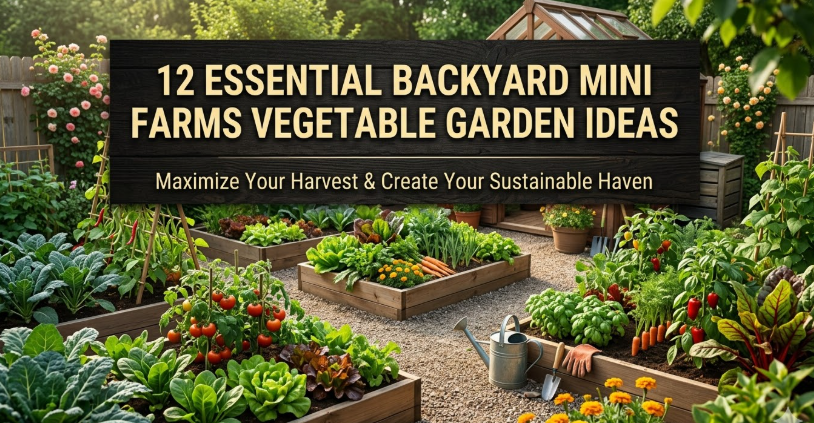
Meta Description: Backyard mini farms vegetable garden ideas to turn any space into a food-producing paradise. Find 12 essential, easy-to-begin ideas planned for inexperienced gardeners and above.
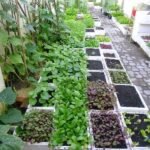
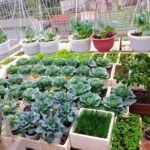
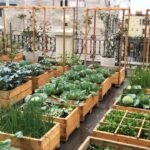
12 Must-Have Vegetable Garden Ideas for Backyard Mini Farms
Do you imagine harvesting juicy tomatoes just steps from your door? Or cutting herbs while dinner cooks on the stove?
You don’t need to own dozens of acres for that. A backyard mini farm vegetable garden can accommodate a tiny yard, patio, or even a balcony.
People are transforming small outdoor spaces into productive, beautiful gardens in droves. And the best part? It’s easier than you think.
This guide has 12 different backyard mini farms vegetable garden ideas for you. So, whether you’re a complete novice or looking to take your garden game up a notch, there’s something for everyone here.
Let’s dig in.
Why a Backyard Mini Farm Is Worth Every Square Foot of Space
People are busier than ever. Grocery bills keep climbing. And it puts distance between most of us and where our food actually comes from.
A backyard mini farm vegetable garden solves all three.
You get fresh, chemical-free food right out of your kitchen. You cut your grocery bill. You also make some quality time outside, because science says that helps with stress.
Even a 50-square-foot plot can yield enough lettuce, herbs, and tomatoes to make a real dent in your weekly shopping list.
The trick is to get the setup that’s best for your space, your budget, and your lifestyle.
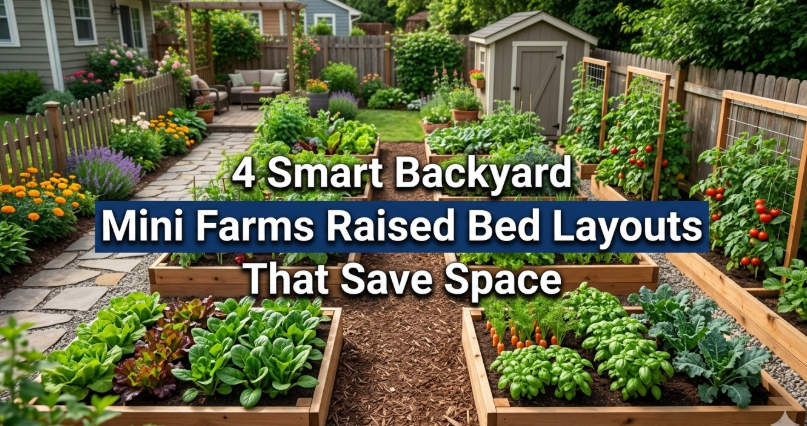
Idea #1 — Raised Bed Vegetable Gardens: The Gold Standard for Beginners
There is a reason that raised beds are the most popular backyard mini farm design.
You start by filling them with your own high-quality soil mix. You don’t have to contend with the compaction problems of ground-level gardens. And weeds have a harder time taking over.
How to Construct a Basic Raised Bed
A simple 4×8-foot raised bed is the ideal beginner size. It is small enough to handle but large enough to grow a proper range of vegetables.
Use cedar or pine boards, untreated. Build them 10–12 inches deep. Fill with a blend of compost, topsoil, and perlite for perfect drainage.
Best Vegetables for Raised Beds
Raised beds are great for tomatoes, peppers, cucumbers, lettuce, spinach, carrots, and beans. Using square-foot gardening techniques, you can fit more plants than you think.
If you space well, you can fit up to 32 different plants in a single 4×8 bed.
Idea #2 — Vertical Garden Towers: Grow Up, Not Out
Short on ground space? Go vertical.
Vertical garden towers allow you to stack plants upward with wall-mounted panels, freestanding towers, or DIY pallet systems. A single 6-foot tower requires only 2 square feet of floor space and supports 20–30 plants.
Vertical gardening is one of the most space-efficient backyard mini farm vegetable garden ideas available.
What Grows Well Vertically
Strawberries, lettuce, herbs, spinach, and kale grow well. Steer clear of heavy fruiters like pumpkins or watermelons — they require robust horizontal support.
You can mount vertical panels on a sun-soaked fence, affix them to a wall, or deploy a freestanding tower that rotates to chase sunlight.
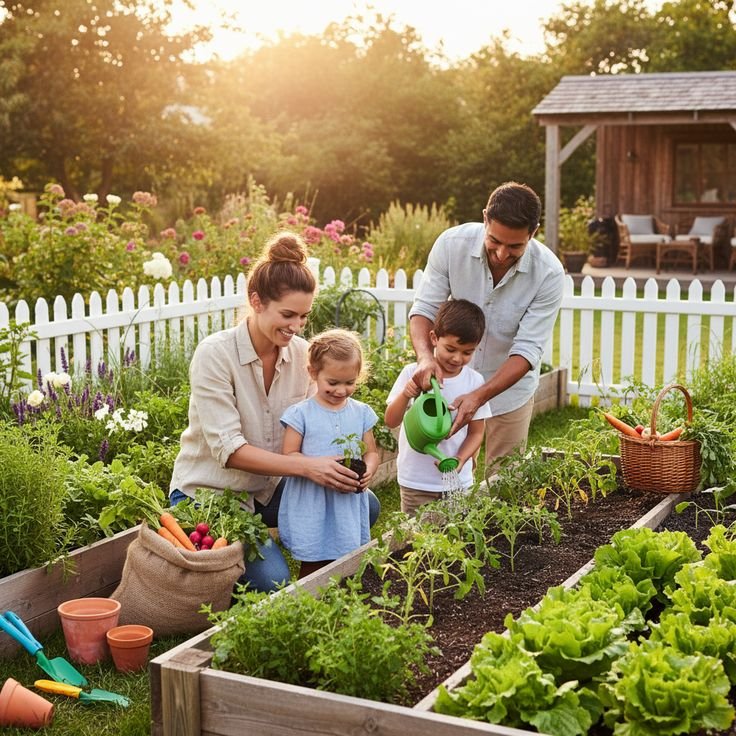
Idea #3 — Container Gardening: The Apartment Farmer’s Best Friend
No yard? No problem.
Containers allow you to garden on patios, balconies, decks, and even driveways. Any vegetable can be grown in a container if the pot is large enough.
Choosing the Right Container Size
| Vegetable | Minimum Container Size |
|---|---|
| Lettuce / herbs | 6–8 inches deep |
| Tomatoes (bush) | 5-gallon bucket |
| Peppers | 3-gallon pot |
| Cucumbers | 10-gallon container |
| Carrots | Minimum of 12 inches deep |
| Beans | 2-gallon pot |
Use a good-quality potting mix, not garden soil. It compacts too much in pots and can drown roots.
Water containers more than ground beds — they dry out more quickly, especially in hot weather.
Idea #4 — Keyhole Garden Beds: Work Smart, Not Hard
A keyhole garden takes a round ring shape, with a narrow path cut into it — like a keyhole seen from above.
You stand at the center and can reach every plant without stepping into the soil. That keeps the dirt loose and alive.
A compost basket usually rests in the center of a keyhole garden. As you water, nutrients from the compost go straight to your plants’ roots. It’s a self-feeding system.
Why Keyhole Gardens Make the Perfect Mini Farm
They’re small, lean, and remarkably productive. A 6-foot keyhole bed provides almost as much planting space as a 6×6 square bed but uses less water and is easier to look after.
They are especially popular in very hot, dry climates where water conservation matters most.
Idea #5 — Companion Planting: Let Your Vegetables Team Up
Companion planting is the practice of planting different crops close to each other for mutual benefits.
It’s one of the smartest backyard mini farm vegetable garden ideas, since it increases yields, deters pests, and cuts fertilizer use — all at no extra cost.
The Classic Three Sisters Method
The Three Sisters planting system was invented by Native American farmers centuries ago. It still works brilliantly today.
You grow corn, beans, and squash together. Corn serves as a pole for beans to climb. Beans fix nitrogen in the soil, which feeds the corn and squash. The ground is covered with squash leaves, trapping moisture and preventing weeds.
Three plants, no waste, maximum output.
Other Great Companion Plant Combinations
| Plant | Good Companion | Benefit |
|---|---|---|
| Tomatoes | Basil | Deters aphids, improves flavor |
| Carrots | Onions | Deterrent to carrot fly |
| Cucumbers | Nasturtiums | Repel aphids and beetles |
| Peppers | Spinach | Ground cover, keeps moisture in |
| Lettuce | Radishes | Leaf miners deterrent |
Idea #6 — Herb Spiral Gardens: Beautiful and Productive
An herb spiral is a raised, spiral-shaped mound that offers various microclimates in a very small area.
The spiral’s high point is dry and sunny — ideal for Mediterranean herbs such as thyme, rosemary, and oregano. The bottom remains moist — just right for mint, parsley, and chives.
In a mere 5 square feet of space, you get an abundant diversity of herbs growing vibrantly.
Herb spirals also look beautiful. They resemble garden art but yield food every single day.
Idea #7 — Hugelkultur Beds: The Set-It-and-Forget-It Garden
Hugelkultur (pronounced hoo-gul-culture) originated in Germany as a permaculture approach.
You bury logs, branches, and wood scraps in the ground, mounding soil on top. As the wood rots through the years, it releases nutrients and holds moisture like a sponge.
A developed hugelkultur bed needs almost no watering. The buried wood acts as a slow-release fertilizer system.
How to Build a Hugelkultur Bed on a Budget
Gather fallen branches, old logs, and scrap wood. Layer them in a mound. Cover with compost, then topsoil. Plant directly into the mound.
In the first year, plants may grow a little slow while the wood starts decomposing. By years two and three, growth can be explosive.
This is one of the most sustainable backyard mini farm vegetable garden ideas for anyone thinking long-term.
Idea #8 — Straw Bale Gardening: Plant Without Digging
No digging. No tilling. No back pain.
Straw bale gardening uses bales of straw as the container and growing medium. You condition the bale for two weeks, watering and adding fertilizer. Then you plant straight into the top.
As the straw rots from within, it warms up and creates a perfect warm rooting environment. Plants love it.
Best Uses for Straw Bale Gardens
Straw bales work wonderfully with tomatoes, zucchini, squash, and cucumbers. They raise plants off the ground, which increases air circulation and decreases disease.
One bale costs around $5–10 and covers a full growing season. After harvest, the bale becomes finished compost for next year’s beds.
Idea #9 — Square Foot Gardening: Maximum Yield from Minimum Space
In square foot gardening, you divide your bed into 1×1-foot squares. Each square holds a specific number of plants based on their size.
Large plants such as tomatoes get one square each. Medium plants like lettuce get four per square. Tiny plants such as radishes get sixteen per square.
This technique was created in the 1980s by Mel Bartholomew, and it has assisted millions of people to produce more food in less space ever since.
Why It Works So Well in Mini Farm Gardens
There’s no wasted space. No walking paths through your beds. No thinning rows later.
You plan everything upfront. You sow only what you need. And you easily rotate crops from one season to the next.
A 4×4-foot square foot garden can be as productive as a standard 16×4-foot row garden. That’s four times the efficiency.
According to the University of Minnesota Extension, square foot gardening is one of the most recommended methods for home gardeners looking to maximize limited space with minimal resources.
Idea #10 — Greenhouse Mini Tunnels: Extend Your Growing Season
Cold weather doesn’t need to stop your harvest.
Mini greenhouse tunnels — also known as low tunnels or hoop houses — are small arched frameworks covered with plastic sheeting or row cover fabric. They trap heat and protect plants from frost.
You can add 4–6 weeks on both sides of your growing season, in spring and in fall. In temperate climates, you can grow throughout the year.
Building a Low-Cost Mini Tunnel
All you need are PVC pipes and plastic sheeting. Bend PVC pipes into arches over your bed and lay down 6-mil plastic. Anchor the edges with stakes or soil.
The total setup cost for a 4×8 bed is $20–30. That’s a small investment for additional months of growing time.
Cool-season crops — including kale, spinach, carrots, and lettuce — flourish in mini tunnels deep into winter.
Idea #11 — Wicking Bed Systems: The Self-Watering Garden
A wicking bed is a type of garden bed that has a built-in water reservoir beneath the soil.
Water is drawn upward from the reservoir into the root zone via capillary action — just like a paper towel soaks up water. Plants pull precisely what they need, exactly when they need it.
You fill the reservoir every few days instead of watering daily. In hot weather, this saves you up to 80 percent of your watering time.
Perfect for Busy Gardeners
Wicking beds are great if you travel a lot, work long hours, or just forget to water. The reservoir keeps your plants alive even if you miss a couple of days.
They’re also extremely water-efficient. Because water arrives from below, not above, virtually none evaporates. Your garden uses up to five times less water than a traditional ground-level garden.
Idea #12 — Food Forest Guilds: Grow Like Nature Does
A food forest guild imitates the layers of a natural forest, but every layer yields food.
At the top, you have tall fruit trees. There are smaller nut trees and berry shrubs below them. The gaps are filled with ground-level plants — herbs, strawberries, and comfrey. Root vegetables grow underground.
Each layer supports the others. Leaves from trees fall and mulch the ground plants. Ground cover suppresses weeds. Deep-rooted plants pull up minerals from way down in the soil.
How to Start a Backyard Food Forest Guild
You can start a mini food forest guild without a vast amount of land. A 10×10 patch can contain a dwarf apple tree, a couple of berry bushes, herbs, and ground cover vegetables.
It takes 2–3 years to fully establish. Beyond that, it’s almost self-sustaining and yields a stunning diversity of food with remarkably low effort.
This is the ultimate long-term backyard mini farm vegetable garden idea for anyone looking to get serious about sustainable, low-effort food production. For more inspiration, layout ideas, and beginner guides, visit Backyard Mini Farms — a dedicated resource for home growers at every level.
How to Choose the Right Idea for Your Space
Not every configuration is appropriate for every yard. Here’s a straightforward way to match your situation with the best method:
| Your Situation | Best Idea(s) to Start With |
|---|---|
| Total beginner with a small yard | Raised beds + square foot gardening |
| Apartment or balcony gardener | Containers + vertical towers |
| Very dry or water-scarce region | Keyhole bed + wicking beds |
| Limited time for maintenance | Wicking beds + hugelkultur |
| Want to grow year-round | Mini tunnels + raised beds |
| Long-term sustainability focus | Food forest guild + companion planting |
| Love herbs and aesthetics | Herb spiral + companion planting |
Begin with one or two ideas that fit into your space. Master them. Then expand.
You are not going to build an entire mini farm in one weekend. Construct it in stages, over the course of one or two growing seasons.
What to Plant First in Your Backyard Mini Farm
Beginning with simple, quick-growing crops instills confidence.
Most common lettuce and salad greens are ready to harvest in 30–45 days. Radishes will grow in as little as 25 days. Herbs like basil and cilantro are fast-growing and used frequently.
Once you have some easy wins under your belt, add tomatoes, peppers, cucumbers, and beans. These require more work but are immensely gratifying.
Don’t begin with notoriously difficult crops such as corn, melons, or artichokes until you have lived through a complete growing season.
Common Mistakes First-Time Mini Farmers Make
Without the right knowledge, even great ideas go wrong. Here are the pitfalls to be most careful of:
One common mistake beginners make is planting too much at once. Start small. A couple of beds of vegetables you’ll actually eat is better than a huge garden that intimidates you.
The other big problem is using bad soil. Never use regular yard soil to fill raised beds. It sets hard, drains badly, and is low in nutrients. Choose a good potting mix with plenty of compost.
Not watering consistently kills more gardens than all pests and disease combined. Establish a watering schedule and adhere to it — particularly through the first couple of weeks after planting.
Disregarding sunlight requirements devastates harvests before they’ve even begun. Most vegetables require 6–8 hours of sunshine every day. Before planting anything, map out your yard’s sun exposure.
FAQs About Backyard Mini Farms Vegetable Garden Ideas
How much space do I need for a backyard mini farm vegetable garden?
You can begin with as little as 50 square feet. A single 4×8-foot raised bed provides you with enough space to plant a meaningful selection of vegetables for a small family.
Which vegetables are the simplest to grow on a backyard mini farm?
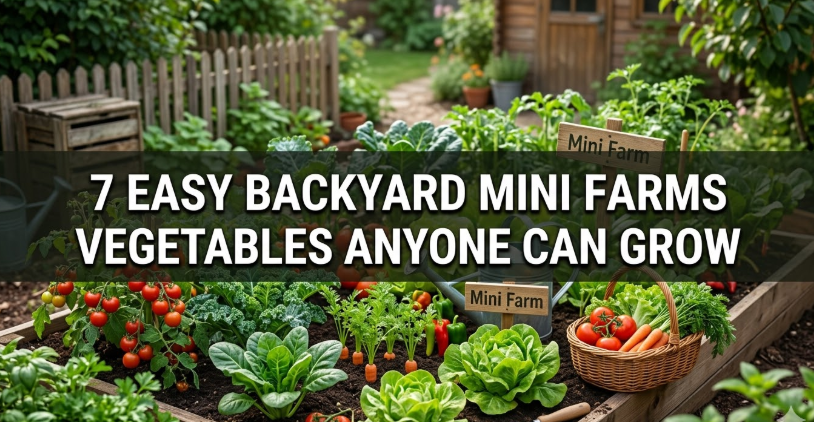
Lettuce, radishes, herbs (basil, chives, parsley), green beans, zucchini, and cherry tomatoes are among the easiest vegetables to grow. They’re fast-growing, forgiving, and productive.
How much does it cost to set up a backyard mini farm?
You can set up a basic raised bed for as little as $50–$100 in materials and soil. More elaborate setups such as greenhouse tunnels or wicking beds may cost $200–$500. The investment often pays itself back in a single growing season.
How much sun do I need for a mini farm vegetable garden?
The majority of vegetables require 6–8 hours of full sun daily. If your space has less sun, prioritize shade-tolerant crops such as lettuce, spinach, kale, parsley, and chard.
Can I grow a backyard mini farm in containers on a balcony?
Absolutely. Container gardening and vertical towers are made specifically for balcony and patio spaces. For the best results, choose compact or dwarf plant varieties.
How often do I have to water my mini farm garden?
This depends on your setup. In summer, raised beds usually require watering every 1–2 days. Wicking beds need to be topped up every 3–5 days. Containers dry out more quickly and can require daily watering during hot weather.
Is a backyard mini farm financially worth it?
Yes. According to studies, a typical home vegetable garden yields the equivalent of $600–$800 worth of food on an initial investment of $200–$300. The return gets better each year as your soil matures and your skills grow.
Bringing It All Together: Your Mini Farm Journey Starts Now
Backyard mini farms vegetable garden ideas can range in size, shape, and price.
Now you have 12 tried-and-true methods — from simple raised beds to self-sustaining food forest guilds — to choose from.
The most important step? Just start.
Choose one that works for your space and your lifestyle. This weekend, set up your first bed or tower. Plant something easy. Watch it grow.
Every small success builds skills, confidence, and knowledge that goes into every garden you grow in the future.
Your backyard is waiting. Your mini farm starts today.