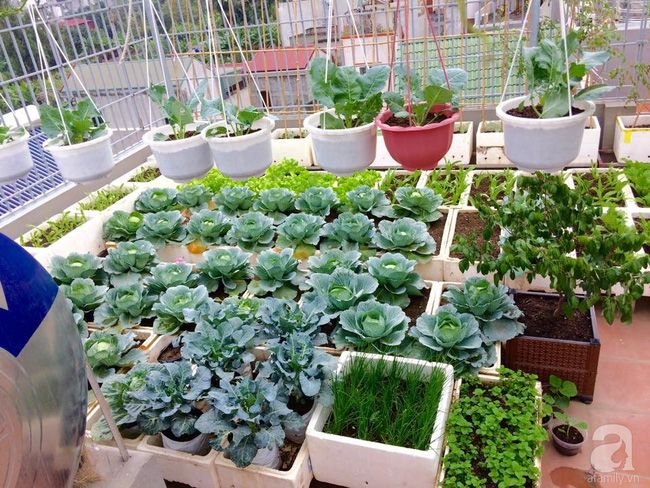
I still remember the summer I planted my first backyard vegetable patch. I was impatient — like embarrassingly impatient. I wanted to walk outside, pick something, and eat it the same day I planted it. Obviously that’s not how it works, but that frustration actually pushed me to figure out which vegetables get from seed to plate the fastest.
After a few seasons of trial, error, and more than a few total crop failures, I’ve narrowed down the eight crops that actually deliver in a backyard mini farm setting. These aren’t fancy greenhouse varieties. These are the plants you can tuck into a raised bed, a container, or a patch of decent soil — and actually harvest before you lose interest.
Let’s get into it.
1. Radishes — The 25-Day Wonder
If you’ve never grown a radish, you’re missing the single most satisfying plant in backyard farming. I planted my first batch on a Wednesday, more or less forgot about them, and was pulling them out of the ground by day 22. That’s less than three weeks.
Radishes are basically nature’s way of telling impatient gardeners that they matter too.
What actually works: Direct sow the seeds about half an inch deep and two inches apart. Don’t overcrowd them — I made that mistake my first time and ended up with a bunch of stunted little pebbles instead of proper bulbs. Water consistently but don’t drown them. They don’t like soggy feet.
The biggest mistake I see beginners make is leaving radishes in the ground too long. Once they hit their peak size (check the seed packet — usually around 25 days), pull them. If you wait another week, they turn pithy and spicy in a bad way. Fast crop, fast exit.
Best varieties to try: Cherry Belle, French Breakfast, Daikon (takes a bit longer but worth it).
2. Lettuce — Cut-and-Come-Again Magic
Lettuce was the crop that honestly changed how I thought about backyard farming. You don’t have to harvest the whole plant at once — just cut the outer leaves and the plant keeps producing. I had one lettuce patch that fed me for almost three months off a single planting.
The key insight here is to grow loose-leaf varieties rather than head lettuce. Head lettuce like iceberg takes forever and takes up more space. Loose-leaf types like Black Seeded Simpson or Oak Leaf are ready for a first cut around 28–35 days.
My planting method: I scatter seeds thinly in a wide band, water them in, and then thin the seedlings once they’re about an inch tall. The thinnings go directly into a salad. No waste.
One thing I wish I’d known earlier: lettuce bolts (goes to seed and turns bitter) in hot weather. If you’re in a warm climate, plant in early spring or fall. During summer I grow mine in partial shade to extend the harvest window. If you’re figuring out the right space for it, these smart raised bed layouts for small backyards are genuinely useful for planning shade positioning.
3. Spinach — Cool Weather Champion
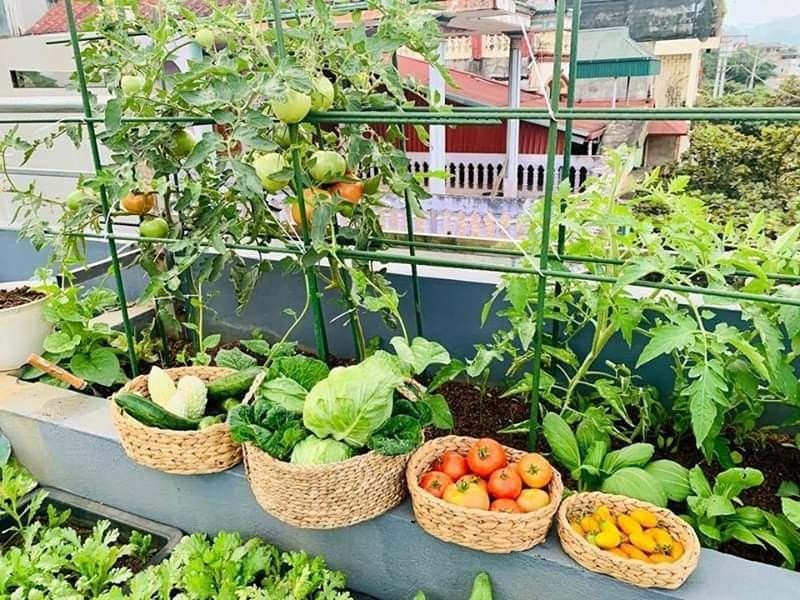
Spinach is one of those crops that thrives when everything else is struggling. Early spring when the soil is barely above freezing? Spinach is out there doing great. Late fall when you’ve given up on the garden? Still spinach.
It goes from seed to first harvest in about 35–40 days, and like lettuce, you can keep harvesting outer leaves repeatedly.
The mistake I kept making: Planting spinach in summer. First season, I planted it in June. It bolted within two weeks and I got basically nothing edible. Spinach wants cool weather — soil temps between 50–65°F are ideal. Now I treat it as a spring and fall crop only.
Sow seeds about half an inch deep, keep the soil moist (not wet), and thin to about 4 inches apart. Spinach does well in containers too if your ground space is limited.
4. Green Onions (Scallions) — Plant Once, Harvest Forever
Green onions might be the most underrated fast crop in backyard farming. You can start them from seed (40 days to first harvest) or, my personal trick, just buy a bunch from the grocery store, stick the white root ends in a glass of water for a few days until they sprout, then plant them in the ground.
They’ll regrow. Repeatedly.
I have a patch that I’ve been harvesting from for two full seasons from a single planting. I cut them at the base, they come back, I cut again. The economics of this are almost comically good.
Plant about an inch apart, keep them watered, and you’ve got a steady supply of fresh scallions for stir-fries, salads, and whatever else you’re making. They also do brilliantly in containers — I keep a pot of them on the back steps for convenience.
5. Bush Beans — Set It and Forget It
Here’s the thing about bush beans that took me a while to appreciate: they basically don’t need you.
Plant the seeds directly in the ground (they don’t like transplanting — I tried, it didn’t go well), water them in, and then mostly leave them alone. No staking, no trellising, no fussing. Around day 50–55, you’ll have more beans than you can handle.
I grow Provider and Blue Lake varieties. Both are reliable, productive, and honestly forgiving if you’re not the most attentive gardener.
One critical lesson: Beans fix nitrogen in the soil, which is great for soil health. But they don’t want extra nitrogen fertilizer — too much nitrogen and you get big leafy plants with almost no beans. I learned this after feeding my first bean patch the same way I feed everything else. The plant looked incredible. The harvest was terrible.
Plant in full sun, keep soil consistently moist but well-drained, and pick frequently. The more you pick, the more they produce.
Crop Comparison Quick Reference
Here’s a table I actually use when planning my planting schedule each season:
| Crop | Days to Harvest | Difficulty | Space Needed | Season |
|---|---|---|---|---|
| Radishes | 22–30 | Very Easy | Minimal | Spring / Fall |
| Lettuce | 28–35 | Easy | Low | Spring / Fall |
| Spinach | 35–40 | Easy | Low | Spring / Fall |
| Green Onions | 40–60 | Very Easy | Minimal | Year-round |
| Bush Beans | 50–55 | Easy | Moderate | Summer |
| Cucumbers | 50–60 | Moderate | Moderate | Summer |
| Kale | 55–70 | Easy | Moderate | Spring / Fall |
| Zucchini | 50–60 | Easy | Large | Summer |
6. Cucumbers — One Plant Feeds a Family
I planted two cucumber plants my second season. Just two. By August I was bringing bags of cucumbers to the neighbors because I couldn’t keep up.
Cucumbers are fast (first harvest around 55 days), prolific, and genuinely easy once you understand one thing: they want heat and consistent water. The moment watering gets inconsistent, you get bitter cucumbers. I water mine at the base every day during hot weather.
They also benefit from a trellis — growing vertically saves ground space and makes it much easier to spot cucumbers before they turn into those giant yellow things you find hiding under the leaves. For ideas on how to set this up efficiently in a small yard, check out these smart space-saving backyard mini farm ideas that cover vertical growing systems.
Variety recommendation: Spacemaster for containers, Marketmore for open beds, and if you want something interesting, try Lemon cucumbers — they look like lemons and taste sweeter than regular varieties.
7. Kale — The Crop That Keeps Giving
I was not a kale person until I grew my own. Store-bought kale and homegrown kale are genuinely different experiences. Fresh-cut kale is sweeter, more tender, and doesn’t have that aggressive bitterness I used to associate with it.
Kale takes around 55–70 days to full maturity, but you can start harvesting outer leaves much earlier — around 25–30 days after transplanting. It’s one of the most cut-and-come-again friendly vegetables you can grow.
It’s also incredibly cold-hardy. I’ve harvested kale after frosts and it actually tastes better — cold weather converts some of the starches to sugars. My fall kale patch is now one of my favorite things in the garden.
Plant in full to partial sun, water regularly, and watch for aphids — they love kale. I just blast them off with the hose. Works fine.
8. Zucchini — Warning: This Plant Is Very Serious About Producing
If you’ve never grown zucchini, let me prepare you: it will produce more than you expect, more than you can eat, and more than your neighbors want. One plant can yield 6–10 pounds of zucchini per week at peak season.
That said, it’s fast (50–60 days to first harvest), forgiving, and perfect for beginners who want the satisfaction of a big, obvious harvest.
What I didn’t know at first: Zucchini needs pollinators. You’ll see male flowers first, then female flowers (the ones with a tiny baby zucchini at the base). If bees aren’t visiting your garden, you might need to hand-pollinate — use a small paintbrush to transfer pollen from male to female flowers. I discovered this after my first zucchini plant produced dozens of flowers and exactly zero zucchinis.
Also, harvest small. Zucchini at 6–8 inches tastes far better than the baseball-bat-sized ones people always find hiding under the leaves.
Common Mistakes to Avoid
After a few seasons of doing this, here’s the stuff I wish someone had told me before I wasted time and money:
Overwatering. This kills more beginner plants than anything else. Most vegetables want consistently moist soil, not soaking wet soil. Stick your finger two inches into the soil — if it’s wet, skip watering that day.
Planting at the wrong time. Spinach in July. Beans in early April when the soil is still cold. Timing matters enormously. Keep a simple planting calendar — even a notes app works.
Skipping soil prep. I can’t tell you how much my yields improved after I started actually amending my soil. Compost, aged manure, a bit of balanced fertilizer. The soil hacks that actually increase your harvest are worth reading if you haven’t thought much about this yet.
Planting too much at once. Succession planting is your friend. Plant a small batch every two weeks instead of everything at once. That way you’re not drowning in lettuce for three weeks and then having none for two months.
Not harvesting frequently enough. Most fast crops — especially beans, cucumbers, and zucchini — produce more when harvested regularly. Leaving produce on the plant tells it to stop making new fruit.
The Honest Truth About Fast-Growing Crops
These eight crops aren’t just fast — they’re genuinely beginner-friendly and genuinely productive in small spaces. You don’t need a giant yard, an elaborate setup, or years of experience.
What you do need is consistency. Check on your plants every day, even if just for five minutes. Water when the soil needs it, harvest when things are ready, and pay attention to what’s working and what isn’t.
My first season was a mixed bag. I grew some great radishes and completely murdered two tomato plants. Second season was better. Third season I actually felt like I knew what I was doing. That’s the honest arc of backyard farming — gradual improvement, not instant mastery.
Start with two or three crops from this list. Get comfortable with those. Then add more. If you want a clear path for your first season, this guide on 5 easy backyard mini farm setup steps for beginners is a solid place to start.
You’ll make mistakes. That’s fine. The plants usually survive, and the lessons stick.
Also worth reading: 8 Fast Backyard Mini Farm Greens You Can Harvest in 30 Days — a great companion piece if you want even more quick-turn crops to rotate through your beds.